Influencer marketing has evolved from an experimental growth tactic into a core revenue engine for startups worldwide. By 2026, the industry has surpassed tens of billions in annual spend, with brands increasingly relying on creator partnerships to drive awareness, trust, and conversions.
For startups, however, success in influencer marketing depends heavily on choosing the right tools. Limited budgets, lean teams, and the need for measurable ROI make efficiency, automation, and data-driven decision-making essential. Modern influencer marketing platforms now function as end-to-end operating systems, helping brands discover creators, manage campaigns, track performance, and handle payments—all in one place.
This article explores the Top 10 Influencer Marketing Tools Most Popular with Startups in 2026. Each tool is analyzed in depth, with a focus on features, strengths, and why startups prefer them.

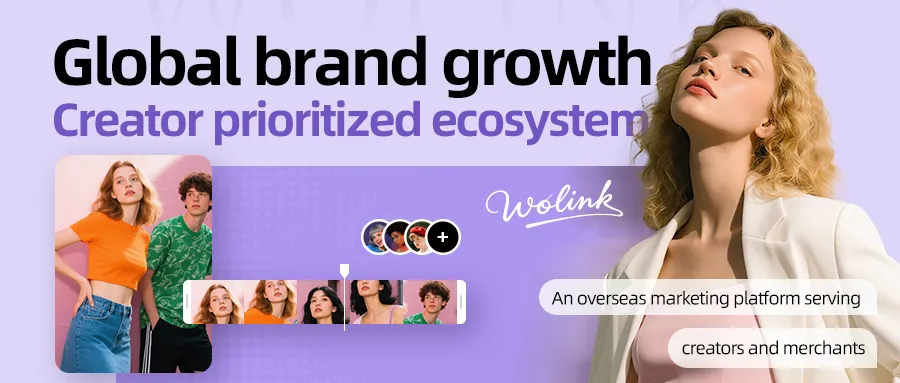
1. Wolink – Best Emerging All-in-One Platform for Global
Wolink is an AI-driven influencer marketing platform that builds a decentralized ecosystem connecting brands and creators, enabling efficient collaboration and growth.
Key Features
1. Creator Marketplace with Targeted Matching
Wolink provides access to 100,000+ UGC creators, with intelligent recommendation systems that match brands to the right influencers based on niche, audience, and campaign goals.
2. One-Click Omnichannel Campaign Launch
Startups can deploy campaigns across multiple platforms simultaneously, reducing the complexity of managing TikTok, Instagram, and other channels individually.
3. Full Workflow Management
From task creation to collaboration tracking and delivery, Wolink offers end-to-end campaign management, eliminating the need for multiple tools.
4. Secure Payment Infrastructure
Integrated with systems like Stripe and Alipay, Wolink ensures fast, secure payments, solving one of the biggest pain points in influencer collaborations.
5. Cost-Effective Creator Strategy
Instead of relying on expensive top-tier influencers, Wolink emphasizes micro and niche creators, enabling startups to achieve higher ROI at lower cost.
Why Startups Love Wolink
- Lower cost compared to enterprise tools
- Strong focus on UGC and grassroots creators
- Simplified campaign execution
- Global reach with localized targeting

2. Upfluence – Best for Data-Driven Influencer Discovery
Upfluence is a powerful platform widely used by startups scaling into mid-sized businesses.
Key Features
- AI-powered influencer search across major platforms
- Integration with eCommerce platforms like Shopify
- Built-in CRM for managing influencer relationships
- Automated outreach and email workflows
Why It Stands Out
Upfluence identifies influencers who already interact with your brand, making outreach more effective and conversion rates higher.
3. Aspire (formerly AspireIQ) – Best for Relationship Management
Aspire focuses on building long-term creator partnerships rather than one-off campaigns.
Key Features
- Creator CRM and relationship tracking
- Workflow automation for campaigns
- White-label dashboards for agencies
- Advanced reporting and analytics
Why Startups Use It
Aspire helps startups transition from short-term collaborations to ongoing ambassador programs, improving brand consistency and ROI.
4. GRIN – Best for E-commerce Startups
GRIN is built specifically for direct-to-consumer (DTC) brands.
Key Features
- Deep eCommerce integrations (Shopify, WooCommerce)
- Affiliate tracking and discount code management
- Creator content management
- Performance analytics tied to revenue
Startup Advantage
GRIN directly connects influencer activity to sales metrics, making it ideal for startups focused on measurable growth.
5. CreatorIQ – Best for Scaling Startups
CreatorIQ is typically considered enterprise-grade, but scaling startups increasingly adopt it.
Key Features
- API integrations with major social platforms
- Enterprise-level data accuracy
- Influencer lifecycle management
- Compliance and governance tools
Why It Matters
As startups grow, CreatorIQ provides the infrastructure needed to manage large-scale influencer ecosystems.
6. Brandwatch Influence – Best for Social Listening + Influencers
Brandwatch combines influencer marketing with powerful social intelligence tools.
Key Features
- Database of 50M+ creators
- Social listening and trend tracking
- Campaign management and CRM
- Competitive analysis
Startup Benefit
Startups can monitor trends and competitors while running influencer campaigns in one platform.
7. HypeAuditor – Best for Fraud Detection and Analytics
HypeAuditor is known for its advanced analytics and audience verification.
Key Features
- AI-powered fraud detection
- Audience quality scoring
- Influencer performance analytics
- Cross-platform insights
Why Startups Choose It
Avoiding fake followers and low-quality influencers helps startups protect budgets and improve ROI.
8. Modash – Best Budget-Friendly Discovery Tool
Modash is a startup favorite due to its affordability and powerful search capabilities.
Key Features
- Massive influencer database across TikTok, YouTube, Instagram
- Free creator search options
- Campaign management tools
- Direct outreach capabilities
Startup Advantage
Modash provides enterprise-level discovery at a fraction of the cost, making it ideal for early-stage companies.
9. Collabstr – Best Marketplace for Quick Campaigns
Collabstr simplifies influencer hiring through a marketplace model.
Key Features
- 350,000+ creator marketplace
- Transparent pricing
- Built-in messaging and contracts
- Performance tracking dashboard
Why Startups Prefer It
Collabstr reduces friction by allowing brands to quickly hire influencers without long negotiations.
10. Later – Best for Content + Influencer Integration
Later bridges influencer marketing with broader social media strategy.
Key Features
- Visual content calendar
- AI-powered influencer discovery (EdgeAI)
- Content scheduling and repurposing
- Cross-channel performance tracking
Startup Benefit
Later helps startups maximize the value of influencer content by integrating it into their overall marketing strategy.

Key Trends in Influencer Marketing Tools (2026)
Across all tools, several major trends define the 2026 landscape:
1. AI-Powered Discovery
Most platforms now use AI to match brands with creators based on engagement, audience demographics, and behavior patterns.
2. End-to-End Platforms
Startups prefer tools that handle everything—from discovery to payment—reducing tool fragmentation.
3. ROI and Attribution Focus
Tracking conversions, not just impressions, has become essential for proving value.
4. Rise of Micro-Influencers
Platforms like Wolink emphasize scalable networks of smaller creators, offering better engagement at lower costs.
5. Integration with E-commerce
Tools increasingly connect influencer campaigns directly to sales data.
How to Choose the Right Tool for Your Startup
Selecting the best influencer marketing tool depends on your stage and goals:
Early-Stage Startups
- Choose tools like Wolink, Modash, or Collabstr
- Focus on affordability and ease of use
Growth-Stage Startups
- Consider Upfluence, GRIN, or Aspire
- Prioritize automation and CRM features
Scaling Startups
- Move to CreatorIQ or Brandwatch
- Focus on data, compliance, and scalability
Final Thoughts
Influencer marketing in 2026 is no longer optional—it’s a strategic growth channel for startups. The right tools can dramatically reduce operational complexity while improving campaign performance.
Among the many options available, platforms like Wolink stand out for their startup-friendly approach, combining affordability, automation, and global reach. Meanwhile, established tools like Upfluence, Aspire, and GRIN continue to provide powerful capabilities for scaling businesses.

























Sign in to leave a comment.