

In the modern digital landscape, applications are the backbone of nearly every business. From internal systems to customer-facing platforms, performance, reliability, and speed directly impact user experience and productivity. Yet, many organizations only notice problems when users start complaining — slow apps, crashes, or downtime.
This is where APM services (Application Performance Monitoring services) come in. These tools provide real-time visibility into your applications, helping IT teams detect and fix issues before they affect operations. Here are the top five reasons why your IT strategy needs APM services today.

1. Prevent Costly Downtime
Downtime is expensive. Every minute a critical application is offline can result in lost revenue, frustrated customers, and reduced productivity. Some outages are obvious, but others start small — a slow database query here, a delayed API response there — and eventually escalate into major disruptions.
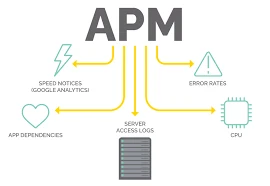
APM services continuously monitor application health, response times, and server performance. They can alert IT teams at the first sign of trouble, allowing them to take action before users are impacted. By proactively identifying potential failures, organizations save time, money, and their reputation.
2. Improve User Experience
In today’s fast-paced environment, users expect seamless performance. Even a few seconds of lag can lead to frustration and lost customers. Poor application performance often leads to negative reviews, decreased engagement, and a drop in retention rates.
With APM services, IT teams gain insights into how users interact with applications. Monitoring real-time performance metrics helps identify slow-loading pages, bottlenecks, and inefficient processes. By optimizing these areas, organizations can ensure a smooth and reliable experience for every user.
3. Identify Hidden Issues Quickly
Many application problems are hidden. Intermittent errors, memory leaks, slow database queries, or unoptimized code can go unnoticed until they cause bigger issues. Traditional IT monitoring may not capture these subtle signs, leaving teams unaware until users complain.
APM services detect even the smallest anomalies across applications, servers, and databases. By providing detailed insights into performance trends and error patterns, they allow IT teams to troubleshoot effectively and address problems before they escalate.
4. Optimize IT Resources
Managing applications without proper monitoring can lead to inefficient use of IT resources. Teams may spend hours chasing problems that could have been quickly detected with the right tools. This reactive approach not only wastes time but can also result in overstaffing or underutilization of infrastructure.
APM services help optimize resource allocation. They provide data on server load, application performance, and system bottlenecks. IT teams can use this information to scale resources appropriately, reduce costs, and improve overall efficiency. In short, monitoring helps your IT strategy work smarter, not harder.
5. Strengthen Security and Compliance
APM services don’t just improve performance — they also enhance security. Unexpected spikes in traffic, unusual application behavior, or unauthorized access attempts can indicate potential security threats. Without continuous monitoring, these signals can go unnoticed, leaving your systems vulnerable.
By tracking application behavior in real time, APM services provide early warning signs of potential security risks. This not only helps protect sensitive data but also supports compliance with industry standards and regulations. Integrating APM into your IT strategy ensures both performance and security are maintained.
Conclusion
Applications are at the heart of modern business operations, and any performance issue can have far-reaching consequences. It services and support provide the visibility and insights IT teams need to prevent downtime, improve user experience, detect hidden problems, optimize resources, and strengthen security.
Integrating APM services into your IT strategy is no longer optional — it’s essential. When combined with professional IT services and support, organizations can not only monitor their applications but also respond quickly to issues, plan for future growth, and maintain reliable, secure operations.
In today’s competitive digital environment, having APM services in place ensures your business remains agile, efficient, and prepared for any challenge.


























Sign in to leave a comment.