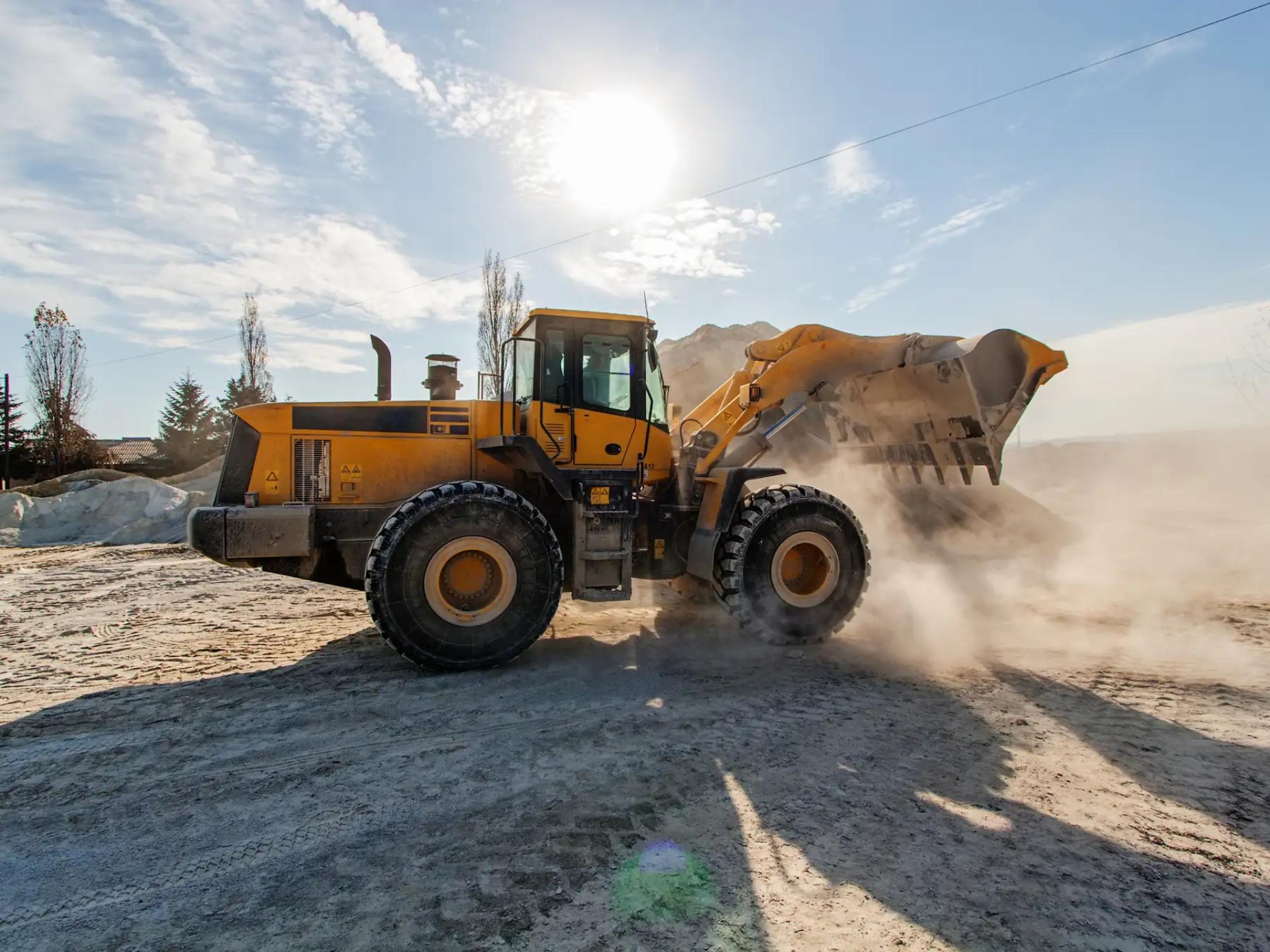

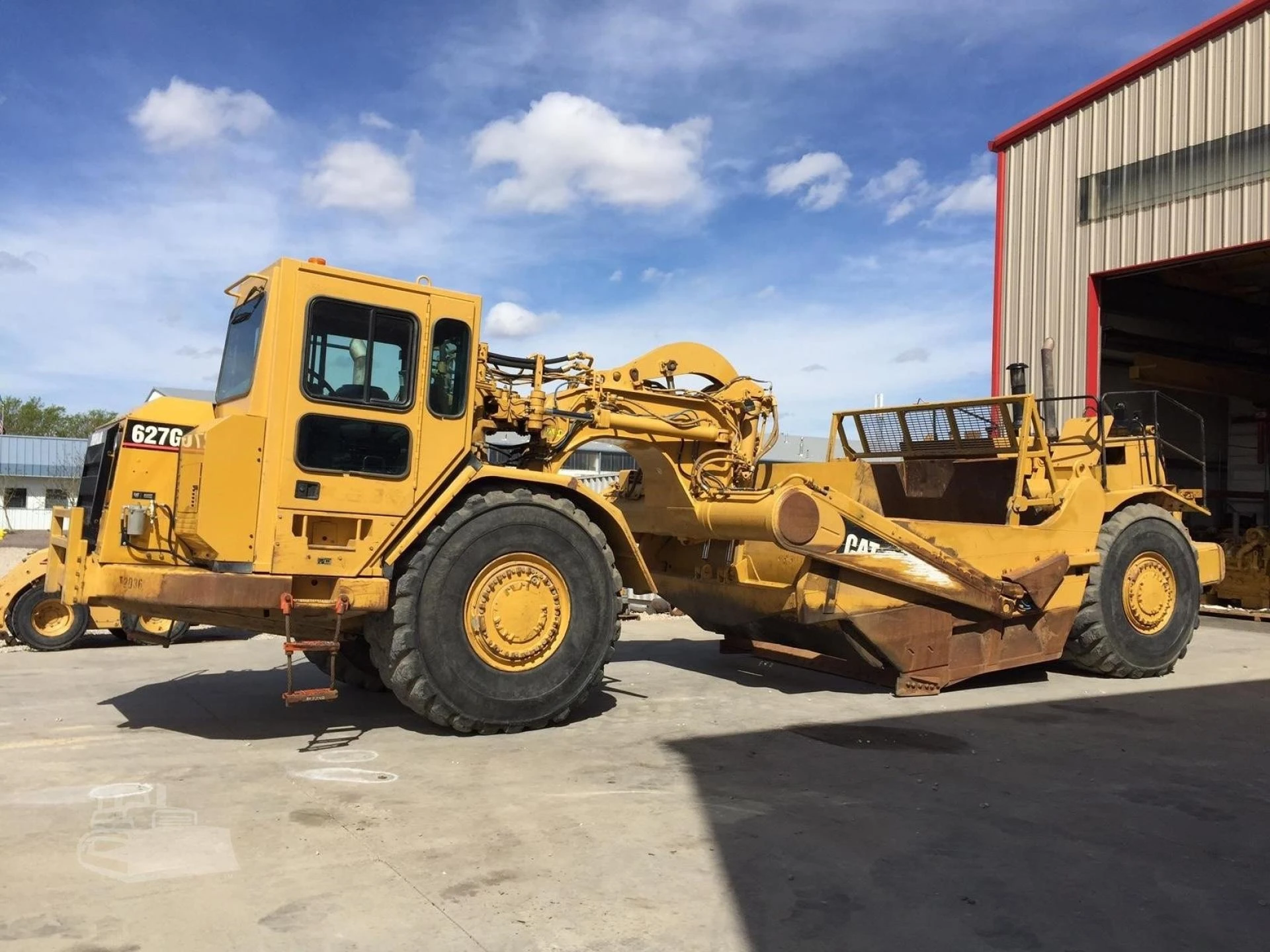
When it comes to construction, mining, or other heavy industries, aggregate equipment plays a vital role. Whether you're looking for crushers, screeners, or conveyors, buying used aggregate equipment can be a smart financial decision if done correctly. Used equipment can save you significant amounts of money, but finding high-quality options requires careful consideration. Here are the top 5 tips for finding high-quality used aggregate equipment.
1. Know What You Need
Before diving into the used equipment market, it’s crucial to understand your specific needs. Aggregate equipment comes in various shapes and sizes, and each piece has different capabilities. Take the time to assess the tasks you plan to perform and the type of material you'll be handling. For example, do you need a machine for crushing, screening, or conveying? If you know exactly what you need, you can narrow down your search and be sure you buy tools that work for your business.
Also, figure out what kind, size, and capacity of tools would work best with the environment and workflow at your workplace. Being clear about what you need will help you focus on used material equipment that fits your business goals and spare you the time of machines that don't work well.
2. Do Thorough Research on Equipment Brands and Models
Not all used aggregate equipment is created equal. Some brands and models are built to last longer and offer superior performance. It's important to research the equipment brands and models available in the market. Reputable brands like Caterpillar, Komatsu, and Volvo are known for their quality and durability. Research customer reviews, testimonials, and the reputation of manufacturers to identify which brands and models are highly regarded.
When considering used equipment, ensure that it has a proven track record for longevity and reliable service. Be aware that certain models may have known issues or recalls, which is why reading reviews and user experiences is vital. Investing in well-established brands that are known for manufacturing durable equipment will give you peace of mind that your purchase will last.
3. Inspect the Equipment Thoroughly
When purchasing used aggregate equipment, always conduct a thorough inspection before finalizing the deal. The first thing you should do is look at it and look for signs of damage, wear, or rust. Pay particular attention to crucial components such as the engine, hydraulics, belts, and tires. These are often the most expensive to repair, so it’s important to ensure they are in good working condition.
You can also request a service history to determine how well the machine has been maintained. A well-maintained piece of used aggregate equipment is more likely to serve you reliably and for a longer period. If you are unsure about the machine's condition, hiring a professional mechanic or equipment inspector to assess the machine can be a wise investment, especially when considering the financial commitment involved.
4. Check the Equipment's Hour Meter and Usage History
Just like the condition of the equipment, its usage history is a key indicator of how much life it has left. Pay attention to the hour meter, which records the total operating hours of the equipment. Equipment that has been heavily used for several years may have more wear and tear, even if it looks good on the surface.
Moreover, ask the seller about the type of work the equipment has been used for. Machines that have been used for heavy-duty tasks may experience more wear and require more maintenance. Conversely, equipment that has been used in less demanding applications may have a longer lifespan.
5. Set a Budget and Stick to It
Even though you can save money by getting used aggregate equipment, you should still be able to afford it. Stick to a clear budget amount. Don't buy things that are too expensive or don't give you the best value for your money.
Besides the initial buy price, you should also think about how much it might cost to fix and maintain. Used aggregate equipment that is older may need fixes more often, which can raise the total cost. You should include these costs in your budget to make sure that the tools will be affordable in the long run. Finding the right mix between price and quality is always a good idea so that you don't have to pay a lot of extra money later on.
Conclusion
It takes careful planning, study, and inspection to find good used aggregate equipment. If you know what you need, look up the brands, look at the tools, and think about how it has been used in the past, you can make a smart investment that will last for years. To make sure you get the most out of your used aggregate equipment purchase, always take the time to find the best choices.























Sign in to leave a comment.