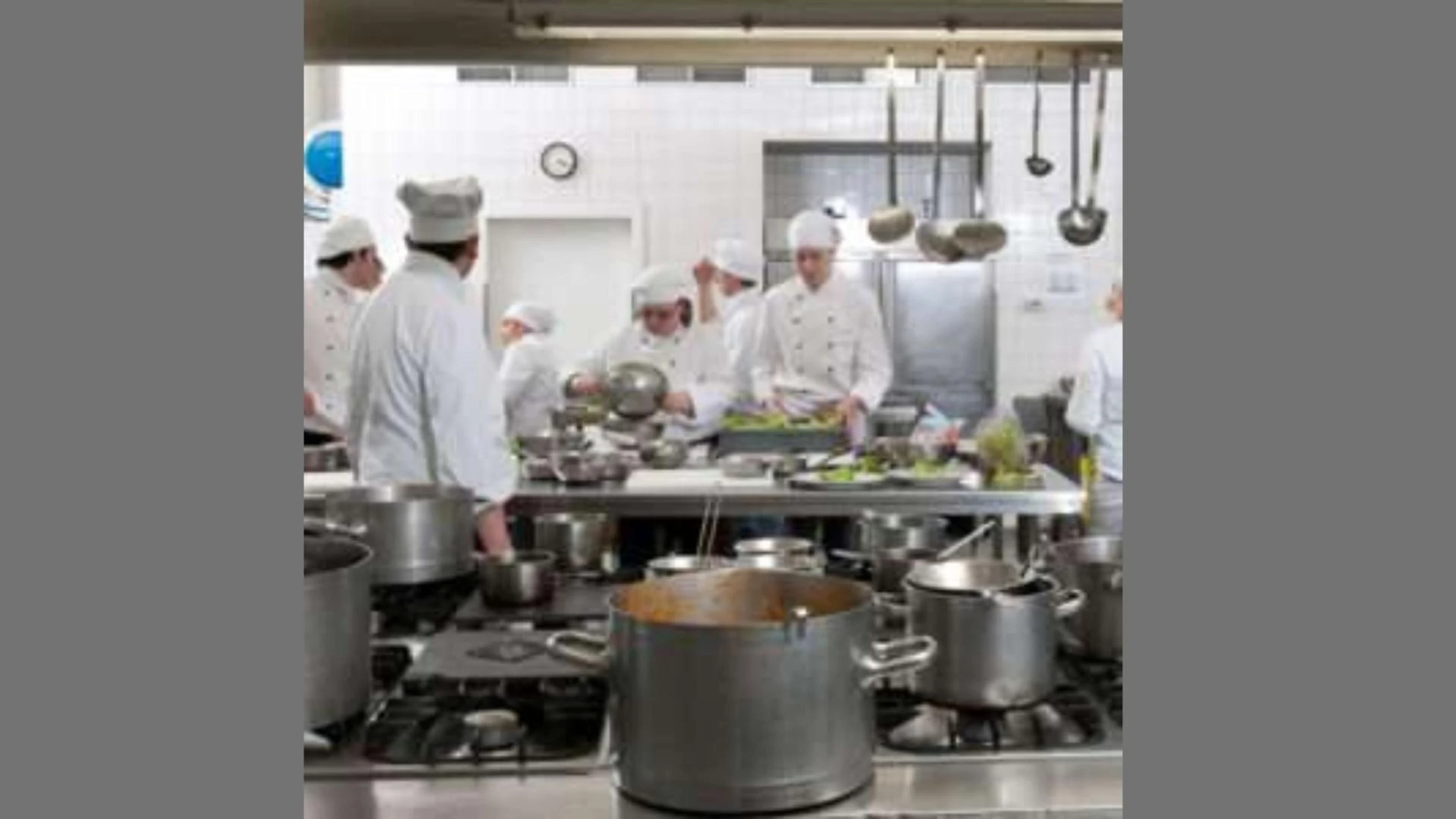

Every restaurant owner knows that a safe, durable kitchen floor is a must. Did you know that most kitchen floor failures happen not because of materials, but because of installation mistakes? Choosing the right restaurant kitchen flooring options and having professionals handle the job can prevent costly accidents and repairs. From slip hazards to premature wear, the right approach makes all the difference. Here’s a look at the top five mistakes to avoid when opting for kitchen flooring services.
1. Overlooking Slip-Resistance
One of the biggest issues in commercial kitchens is slips and falls. Kitchens are busy, fast-paced spaces where spills are common. Installing kitchen flooring for restaurants without proper traction puts staff and visitors at risk. Professionals usually suggest textured epoxy coatings or anti-slip vinyl, which offer excellent grip underfoot.
These flooring options reduce accidents, enhance safety, and comply with commercial standards. With the right materials and professional installation, kitchens become safer, allowing staff to work confidently in fast-paced, high-traffic environments.
2. Skipping Proper Surface Preparation
Even high-quality restaurant kitchen flooring options won’t perform well without a solid foundation. Commercial kitchens require smooth, clean, and level subfloors before installation. Any cracks, old adhesives, or uneven areas can compromise the durability of the flooring.
Professional services ensure the surface is fully prepared, which helps epoxy coatings, luxury vinyl plank, or specialty coatings bond properly. This attention to detail prevents peeling, cracking, or bubbling later on.
3. Ignoring Moisture and Heat Resistance
Professional installation considers the unique demands of a restaurant kitchen. Heat, steam, and frequent spills are part of daily operations. Using kitchen flooring that isn’t resistant to moisture or temperature changes is a common mistake.
Experts select materials like epoxy coatings or urethane cement floors, which handle moisture, high temperatures, and constant cleaning. This ensures the floor maintains its strength and appearance over time, even under heavy use.
4. Choosing the Wrong Material for High-Traffic Zones
Not all floors are created equal, especially in a bustling kitchen. Areas with heavy foot traffic, rolling carts, and moving equipment need durable solutions. Relying on standard vinyl or ceramic tile in these zones can result in quick wear or damage.
Professional installers often recommend textured epoxy coatings, slip-resistant vinyl, or luxury vinyl plank in high-use areas. These materials are designed to withstand constant activity, protecting your investment and reducing the need for frequent repairs.
5. Neglecting Cleaning and Maintenance Needs
A kitchen floor is more than just a surface—it’s a critical part of maintaining hygiene. Selecting restaurant kitchen flooring options that are difficult to clean is a mistake that can affect both safety and sanitation. Professional services focus on floors that are seamless, non-porous, and easy to maintain, such as epoxy or specialty coatings.
This reduces bacterial growth, makes daily cleaning more efficient, and keeps the kitchen looking polished and professional. Considering maintenance from the start saves time and money in the long run.
6. Overlooking Proper Drainage and Water Flow
Water and grease buildup are common in busy kitchens. Failing to address drainage during Water and grease buildup happens frequently in busy commercial kitchens. If drainage isn’t considered during installation, it can lead to puddles, slips, or long-term floor damage.
Professional flooring services ensure proper slopes and drainage paths, especially when installing restaurant kitchen flooring. Combined with slip-resistant surfaces like textured epoxy or specialty coatings, this approach prevents standing water, reduces accident risk, and keeps the kitchen clean and safe for staff, even during peak hours.
Why Professional Installation Matters
Installing kitchen flooring for restaurants isn’t just about laying tiles or pouring epoxy. Professional services ensure every step is done correctly so the floor lasts longer and stays safe. Here’s why it matters:
- Precision in Surface Preparation – Floors are cleaned, leveled, and primed before installation. This ensures coatings like textured epoxy or luxury vinyl plank adhere properly and prevents early damage.
- Correct Material Selection – Professionals know which flooring options work best in each area. High-traffic zones, wet sections, and heavy-use spots all need different materials for durability and safety.
- Safety and Compliance – Slip-resistant floors must be applied correctly to meet commercial standards. Professional teams ensure textured epoxy, specialty coatings, and vinyl floors provide maximum traction without compromising style.
- Long-Term Durability – Proper installation extends the life of the flooring. It reduces maintenance costs, prevents peeling or cracking, and ensures the floor stays functional under heavy kitchen use.
- Consistent Quality – Experts guarantee that floors not only perform well but also look polished and professional. Proper application ensures seamless, easy-to-clean surfaces that meet the rigorous demands of commercial kitchens.
Key Takeaways
Installing restaurant kitchen flooring is more than just laying down materials. Avoiding these common mistakes—like skipping slip-resistance, surface preparation, moisture protection, proper material selection, and maintenance planning—ensures your kitchen is safe, durable, and easy to care for.
Restaurant kitchen flooring options like textured epoxy coatings, luxury vinyl plank, and specialty coatings are designed to handle spills, heavy traffic, and constant cleaning, but their performance depends on professional installation. By focusing on quality installation, restaurants can prevent accidents, save on repairs, and maintain a clean, professional environment that supports smooth kitchen operations.























Sign in to leave a comment.