
Introduction
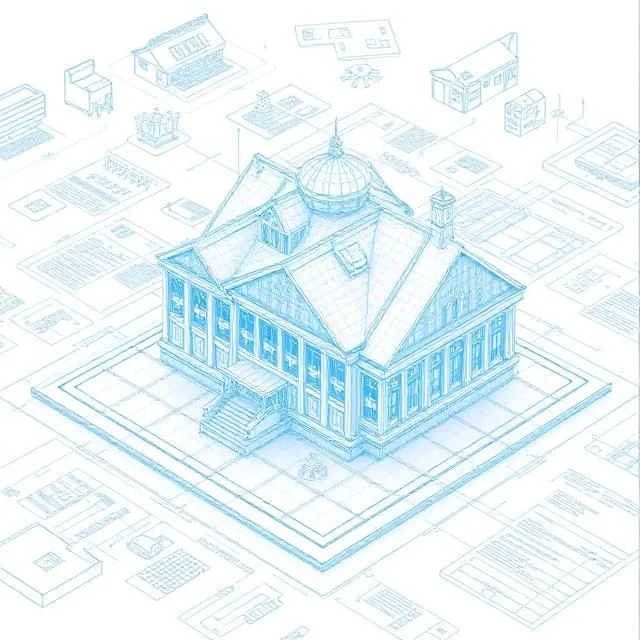
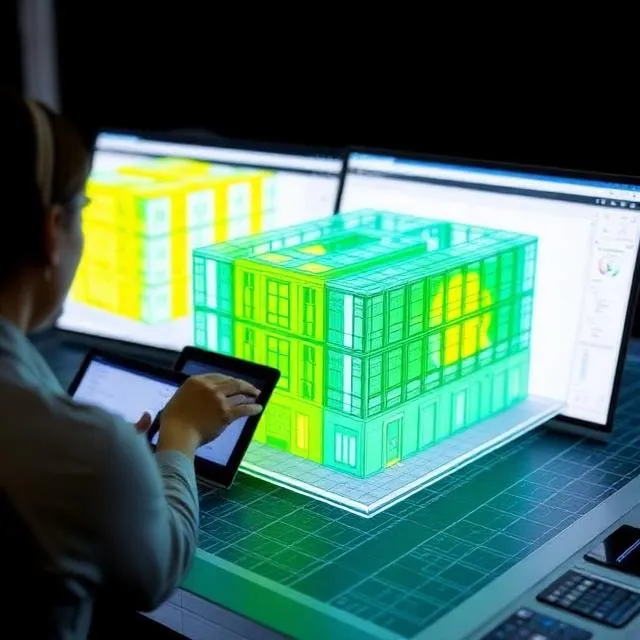
The construction industry has experienced a massive digital transformation in the last decade. One of the most powerful innovations driving this change is 3D modeling. From early design concepts to final project delivery, 3D modeling helps architects, engineers and construction teams visualize, plan and execute projects with greater accuracy and efficiency.
In the past, projects relied heavily on 2D drawings, which often led to miscommunication, design clashes and costly revisions. Today, 3D modeling allows stakeholders to see the entire project before construction even begins.
In this article, we explore the top benefits of 3D modeling and why it has become essential for modern construction projects.
1. Better Project Visualization
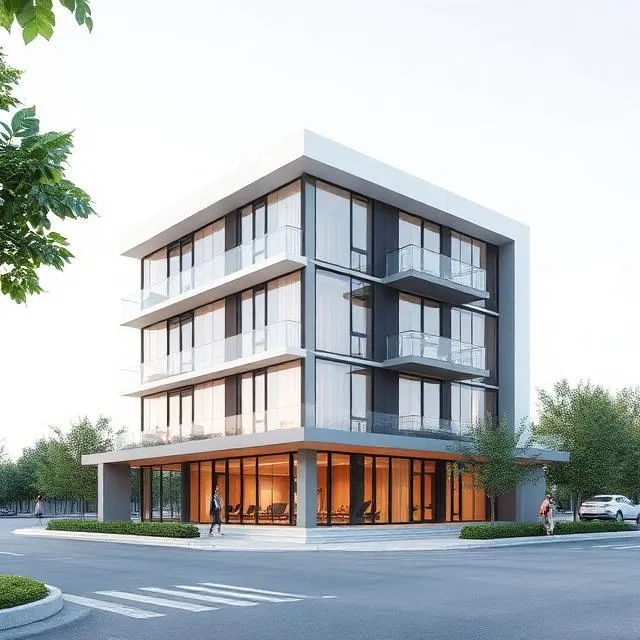
One of the biggest advantages of 3D modeling is the ability to visualize a project realistically before construction begins.
Traditional drawings can be difficult for non-technical stakeholders to understand. A 3D model, however, presents the building in a clear and visually engaging way. Clients, contractors and designers can all see how the final structure will look and feel.
This improves communication and ensures everyone is aligned from the start.
2. Early Detection of Design Conflicts
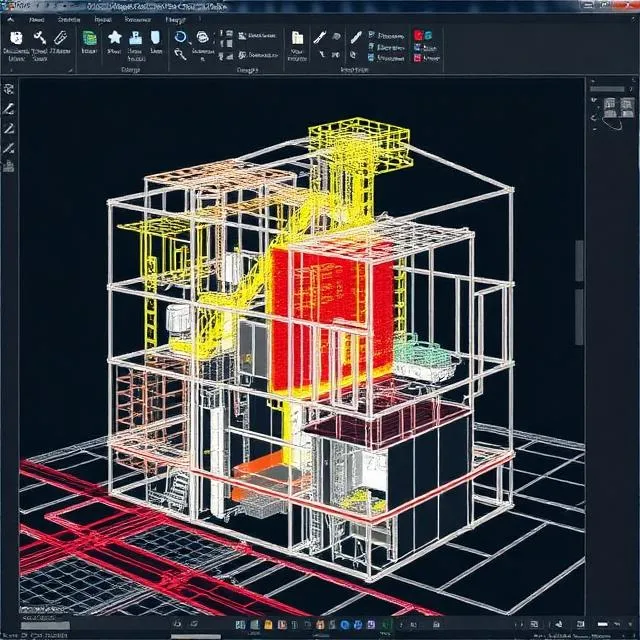
Design clashes between structural, electrical and mechanical systems are common in construction projects.
3D modeling allows teams to detect these conflicts early in the design stage. Identifying issues before construction begins helps prevent delays, rework and unexpected costs.
This proactive approach saves both time and money while improving project efficiency.
3. Improved Collaboration Among Teams
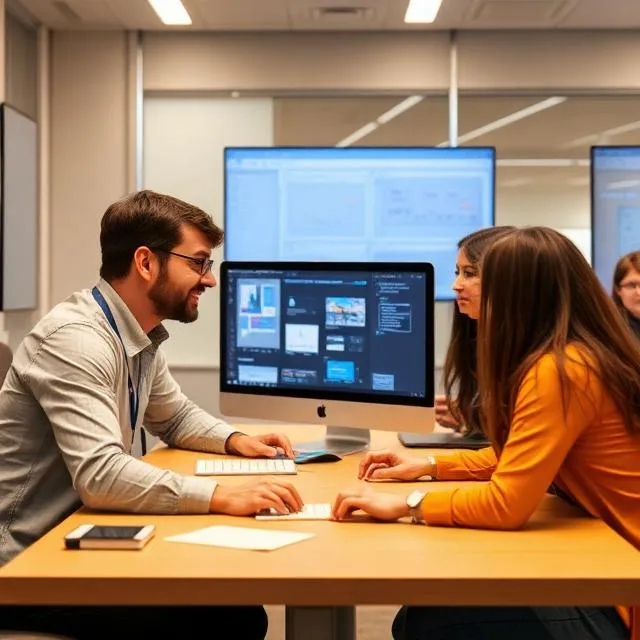
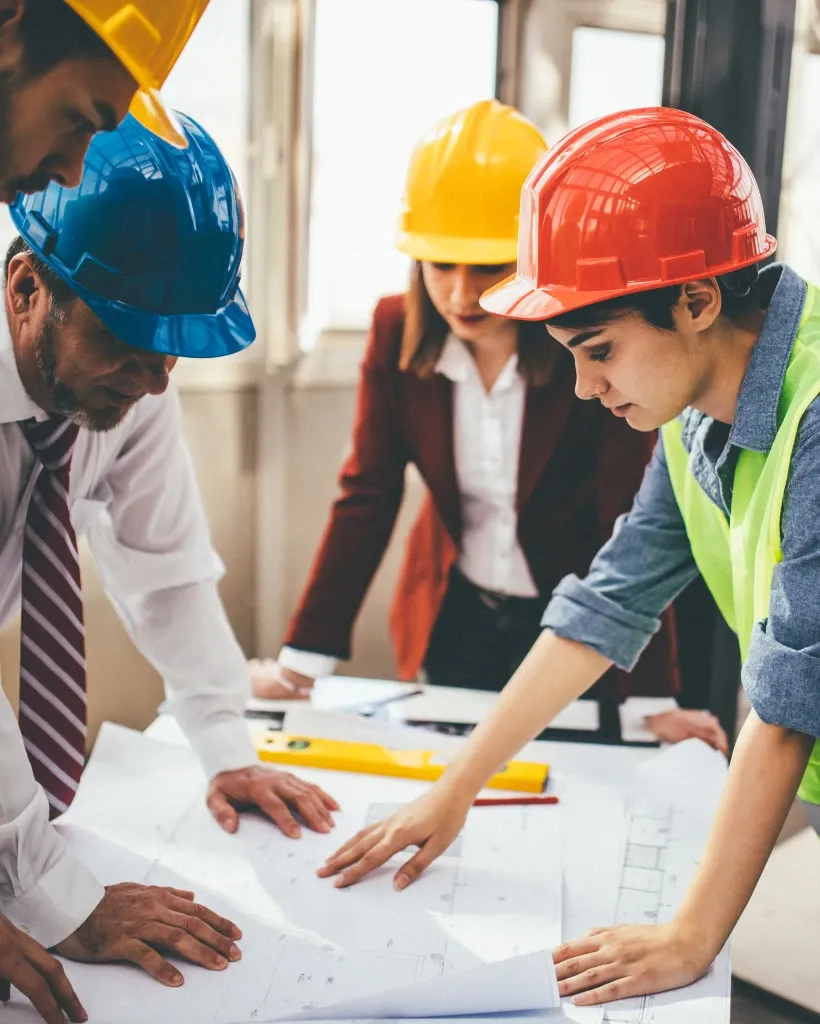
Modern construction projects involve multiple professionals working together. Architects, engineers and contractors must collaborate effectively to ensure project success.
3D models act as a shared digital workspace where all stakeholders can review updates, provide feedback and make informed decisions.
Many project teams also collaborate with specialized BIM and CAD partners such as Gsource to streamline modeling workflows and maintain design accuracy throughout the project lifecycle.
4. Greater Design Accuracy
3D modeling helps eliminate human errors that often occur in manual drawings. Every component is precisely measured and digitally represented, reducing the chances of miscalculations.
Accurate models lead to better planning, fewer mistakes and smoother project execution.
5. Faster Project Approvals
Approvals from clients and stakeholders often slow down construction timelines. When people cannot clearly understand drawings, they request multiple revisions.
3D visualization speeds up approvals by showing realistic previews of the final project. Stakeholders feel confident making decisions faster when they can clearly see the outcome.
6. Reduced Construction Costs
Errors and rework are among the biggest reasons for budget overruns. By detecting issues early and improving planning, 3D modeling significantly reduces unexpected expenses.
Better cost estimation and resource planning lead to more predictable project budgets.
7. Enhanced Marketing and Presentations
3D models are not only useful during construction but also powerful marketing tools. Developers use them for presentations, brochures and project promotions.
Realistic visuals help investors and buyers understand the project, making it easier to secure funding and approvals.
Conclusion
3D modeling has transformed how construction projects are designed, planned and executed. From improved collaboration to cost savings and faster approvals, the benefits are clear.
As technology continues to evolve, 3D modeling will play an even greater role in shaping the future of construction.
Companies that adopt digital design workflows today are better prepared to deliver efficient, accurate and successful projects tomorrow.
























Sign in to leave a comment.