
The healthcare industry is undergoing a profound transformation — and at the center of this shift is artificial intelligence. From predictive diagnostics to automated workflows, AI solutions for healthcare are not just enhancing how care is delivered, but fundamentally reshaping the entire ecosystem.
As we step into 2025, the adoption of AI is no longer limited to experimental pilots or innovation labs. It’s real, it’s scalable, and it’s creating tangible value for patients, providers, and administrators alike. Here are the top AI-powered innovations leading the charge this year.
1. AI-Powered Diagnostic Tools
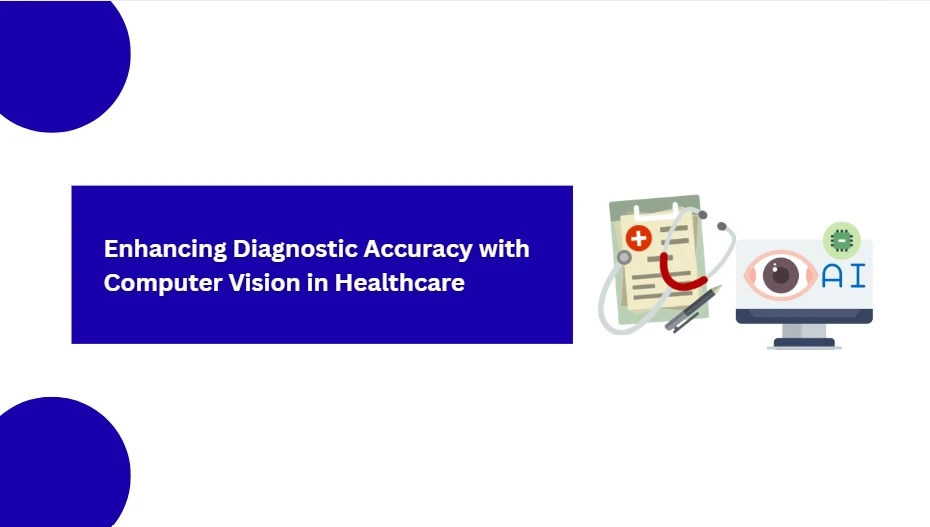
AI is revolutionizing how diseases are detected and diagnosed. Advanced image recognition models are now capable of identifying conditions like cancers, fractures, and neurological disorders from X-rays, MRIs, and CT scans with remarkable accuracy.
In 2025, these tools are not only supporting radiologists but increasingly embedded into everyday clinical decision-making. They offer second-opinion capabilities and flag potential anomalies that might be missed by the human eye — reducing misdiagnosis and enabling faster, more precise treatments.
2. Predictive Analytics for Population Health
One of the most impactful AI solutions for healthcare is predictive analytics. By analyzing massive volumes of patient data, AI can anticipate disease risks, hospital admissions, and potential complications before they happen.
Healthcare providers are using these insights to proactively intervene, manage chronic diseases, and reduce readmissions — all while lowering costs and improving patient outcomes. In 2025, predictive models are becoming more accurate and widely adopted across health systems and insurance networks.
3. AI-Enhanced Virtual Assistants
Virtual assistants powered by natural language processing (NLP) are transforming the way patients interact with healthcare systems. These AI tools can book appointments, answer medical queries, provide medication reminders, and even triage symptoms.
Clinics and hospitals are deploying virtual assistants at scale to handle thousands of routine patient interactions daily. This frees up staff time, enhances patient engagement, and cuts down on call center costs — making it one of the most practical AI solutions for healthcare in day-to-day operations.
4. Automated Medical Documentation
In 2025, AI-driven voice recognition tools are significantly reducing the time clinicians spend on documentation. Doctors can now dictate notes in real time, and AI automatically converts them into structured, EHR-compatible records.
This innovation not only saves hours per week for physicians but also reduces burnout and improves the accuracy of clinical documentation — leading to better coordination of care.
5. AI in Drug Discovery and Personalized Medicine
AI is also playing a pivotal role in pharmaceutical R&D. By analyzing genetic data, biomarkers, and historical trial outcomes, AI helps researchers discover new drug candidates faster and more cost-effectively.
In personalized medicine, AI tailors treatment plans to an individual’s genetic makeup, lifestyle, and health history. This precision approach leads to better outcomes with fewer side effects — a game-changer in cancer, rare diseases, and mental health treatment.
Final Thoughts
The future of healthcare is no longer years away — it’s unfolding right now. The leading AI solutions for healthcare in 2025 are not just about innovation; they’re about solving real-world problems at scale. From diagnostics to documentation, from patient engagement to population health, AI is delivering impact where it matters most.
As the industry continues to evolve, organizations that embrace these technologies will be best positioned to deliver smarter, faster, and more efficient care.





















Sign in to leave a comment.