

Introduction to Audio Live Streaming Apps
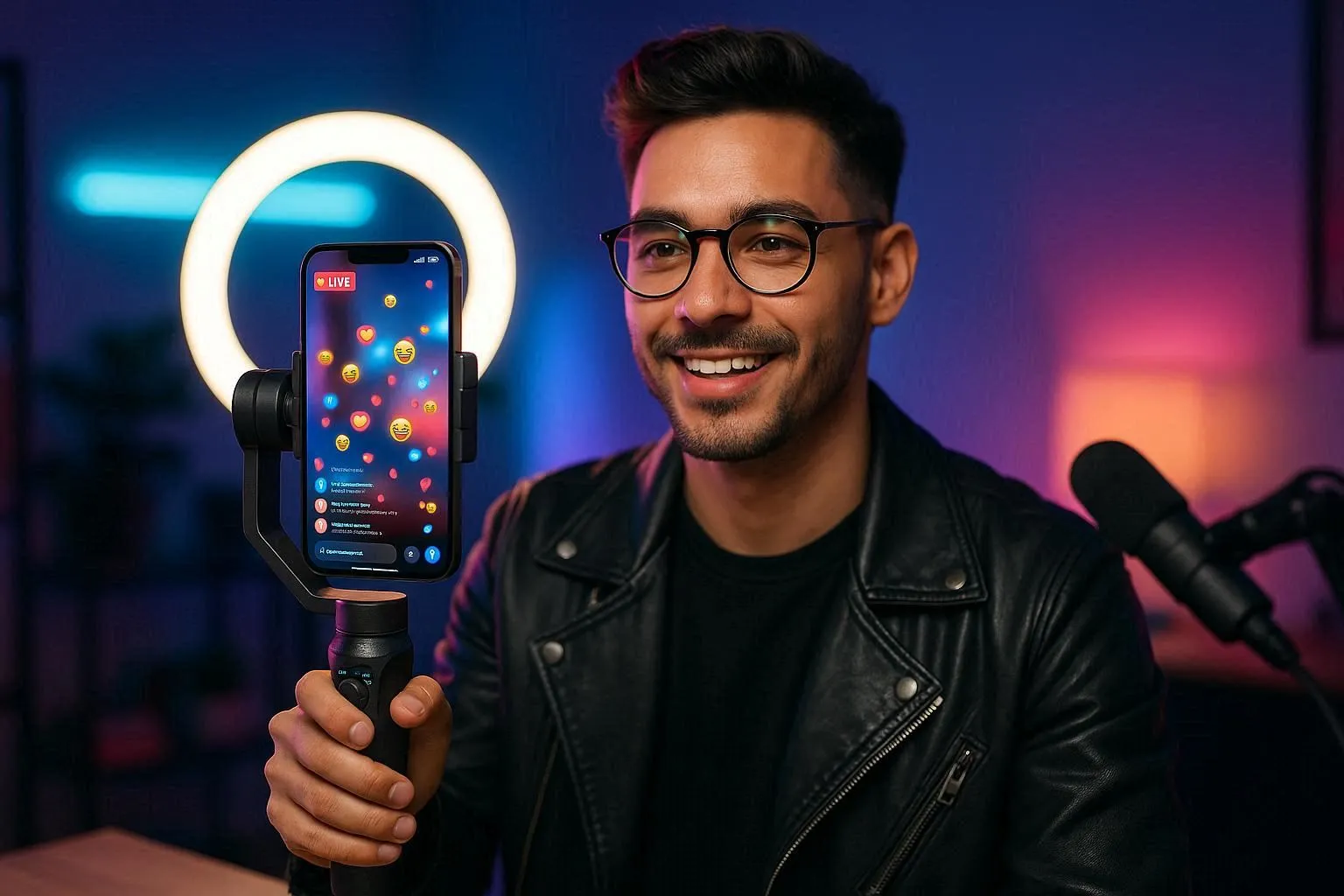
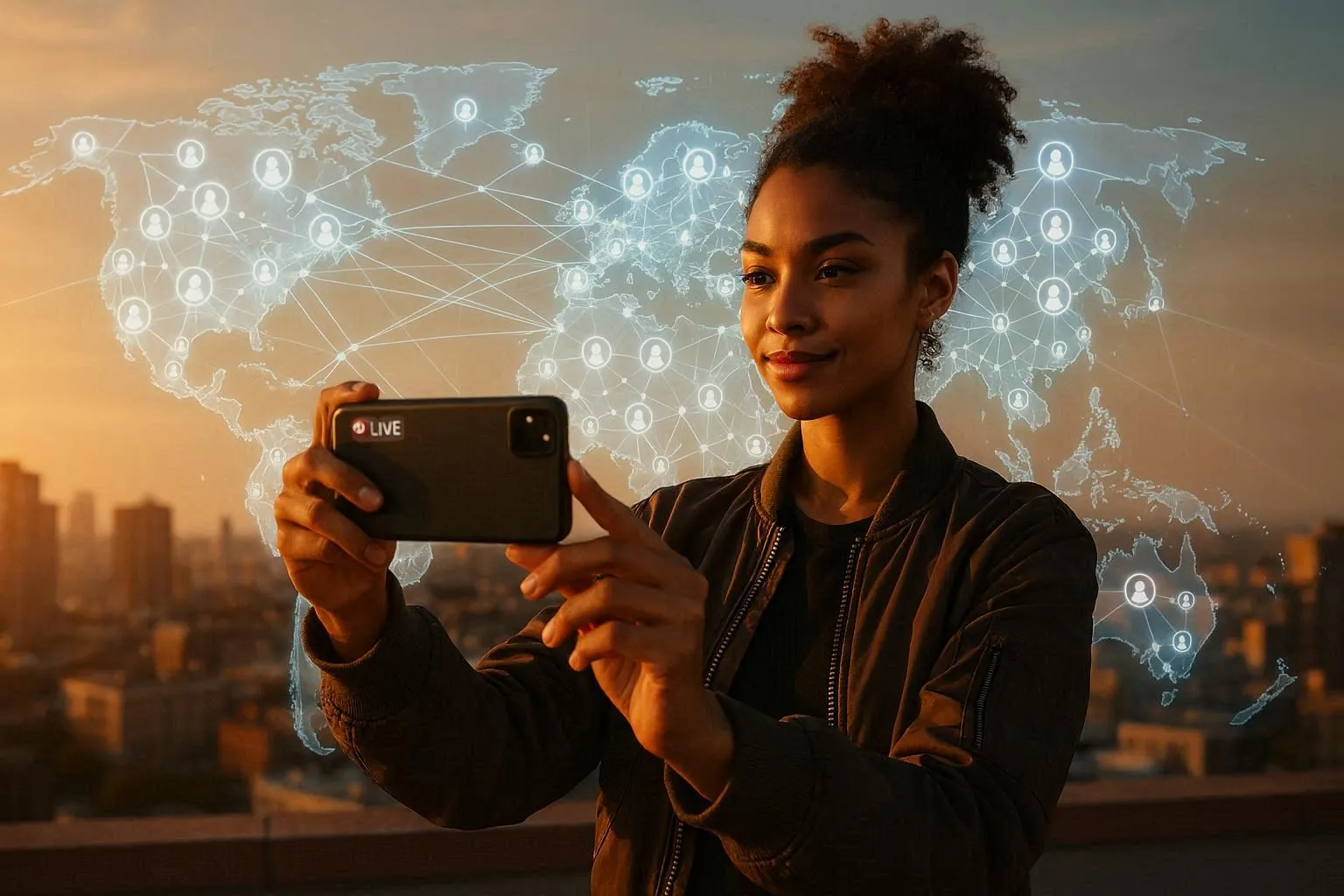
Audio live streaming apps have revolutionized how we share and consume sound content in real-time. From live podcasts to music jam sessions, these platforms allow creators to connect instantly with audiences around the world. Unlike traditional radio or static podcasts, live streaming offers an engaging experience with interactive features like live chats, tipping, and guest interactions. As mobile devices continue to dominate internet usage, audio live streaming apps have become more accessible and sophisticated. Users can now stream from anywhere with just a smartphone and internet connection. These apps cater to a wide range of needs, including professional musicians, podcasters, spiritual speakers, educators, and casual hobbyists. With low-latency audio, monetization options, and high scalability, they’ve become an essential tool in the digital communication landscape. This article will explore top features, popular platforms, benefits, and considerations when choosing an audio live streaming app in 2025.
Key Features of an Ideal Audio Live Streaming App
When choosing an audio live streaming app, understanding the key features is essential. First and foremost, audio quality matters. Look for apps that offer high-bitrate streaming to ensure clear, uninterrupted sound. Low latency is another critical aspect, as it allows real-time interaction with your audience, making the experience more dynamic. User interface (UI) should be intuitive—both for creators and listeners. Another important feature is multi-platform compatibility, which allows your streams to be shared across social media and other audio platforms. Audience engagement tools like live chat, shout-outs, and reactions enhance listener participation. For monetization, many apps provide built-in tipping, subscription models, and ad integrations. Cloud recording is also essential for repurposing your streams into podcasts or other formats. Lastly, privacy and moderation tools are vital for managing who can join, comment, or share the stream. A good app balances simplicity, scalability, and interactivity.
Benefits of Using Audio Live Streaming Apps
Audio live streaming apps offer several benefits for creators and listeners alike. For creators, they provide a cost-effective and scalable way to reach a global audience without needing expensive broadcasting equipment. Unlike video streaming, audio requires lower bandwidth, making it more accessible in regions with poor internet connectivity. For listeners, these apps offer real-time content that’s flexible and easy to consume, whether during a commute, workout, or relaxation. One of the most powerful advantages is community building. Creators can establish a loyal fanbase through regular broadcasts, live interactions, and personalized content. Many apps also support analytics dashboards, allowing creators to understand listener behavior and optimize content accordingly. Additionally, apps often integrate with social media, making it easy to promote streams and increase discoverability. Whether you're a podcaster, educator, or musician, audio live streaming apps provide a powerful platform to engage, grow, and monetize your audience in real time.
Top Audio Live Streaming Apps in 2025
In 2025, several audio live streaming apps have gained prominence for their robust features and user-friendly design. Clubhouse, one of the pioneers, still holds a strong position with its room-based model and audience interaction capabilities. Spotify Live integrates directly with Spotify’s ecosystem, allowing creators to host live sessions and automatically archive them as podcasts. Spoon is popular among Gen Z users for its interactive elements like gifts and fan clubs. Anchor by Spotify offers an easy-to-use interface for podcasters who want to go live and distribute recorded versions. Mixlr is a favorite among musicians and DJs due to its high-quality sound and event scheduling tools. Stationhead enables artists to stream their playlists live while engaging with fans. Twitter Spaces and Facebook Live Audio Rooms have also improved their functionalities, offering broad reach and monetization features. Each app brings unique strengths, and your choice should depend on your specific use case.
How to Choose the Best Audio Live Streaming App
Choosing the right audio live streaming app depends on your content type, audience, and technical needs. Start by defining your primary objective—are you streaming for fun, education, music performance, or business? If monetization is your goal, prioritize apps that offer revenue-generating features like tipping, subscriptions, or sponsorship tools. Next, evaluate the audio quality and reliability of the platform. Read reviews, test sample streams, and consider customer support. Look for cross-platform integration if you want to simulcast or promote your content elsewhere. For community engagement, choose apps that offer live chat, polls, or call-ins. If you plan to repurpose your content, ensure the app provides cloud recording or direct downloads. Budget is also a factor—many apps offer freemium models, so consider what features are included in the free tier versus paid plans. Finally, check data privacy policies to ensure your content and audience information are secure.
Monetization Strategies with Audio Streaming Apps
Audio live streaming apps offer diverse ways to monetize your content, turning passion into profit. One of the most direct methods is listener tipping or donations, where fans send money in real-time. Many platforms, like Spoon and Clubhouse, include virtual gifting features that convert into revenue. Another model is subscription-based streaming, where loyal listeners pay a recurring fee for premium access. Apps like Stationhead and Spotify Live allow users to charge for exclusive content or VIP rooms. Sponsorship and brand deals are also viable; as your audience grows, brands may partner with you for product placements or shout-outs. Ads and audio commercials can be integrated into streams or recordings on platforms like Anchor. Moreover, recorded live streams can be repurposed into podcasts, providing an evergreen revenue stream through ad inserts or platform sponsorships. Successful monetization often depends on audience engagement, so prioritize quality content and consistency.
Use Cases of Audio Live Streaming Apps
Audio live streaming apps have wide-ranging use cases across different industries. Podcasters use them to broadcast episodes live, gaining instant feedback from listeners and building tighter communities. Musicians and DJs leverage these platforms to perform live sets, promote new releases, or even crowdsource lyrics and melodies in real time. Educators and coaches host interactive classes or Q&A sessions to reach a broader audience beyond the classroom. Spiritual leaders and wellness coaches conduct meditation sessions, prayer meetings, or motivational talks, often reaching thousands of attendees at once. Event organizers use audio live streaming as a backup or supplement to video streams, offering attendees multiple options to consume content. News broadcasters and journalists can report live events and conduct interviews, keeping audiences informed without the complexity of video production. These apps have even found a place in corporate environments, helping HR teams conduct town halls, fireside chats, and employee engagement programs.
Common Challenges and How to Overcome Them
Despite their advantages, audio live streaming apps come with certain challenges. Audio quality issues are the most common, often due to poor internet connections or inadequate hardware. This can be mitigated by using an external mic and ensuring a stable network. Lack of audience engagement is another concern—overcome it by planning interactive segments like Q&A, polls, or shout-outs. Content moderation is also crucial, especially for large audiences. Choose platforms that offer robust admin tools or moderation bots. Discoverability can be a hurdle for new creators; leveraging social media and SEO-friendly titles can help attract listeners. Platform dependency is another risk—build an email list or external community to maintain control over your audience. Monetization limitations may arise depending on the platform; diversify your income streams across platforms or include merchandise and affiliate marketing. By proactively addressing these challenges, creators can make the most out of audio live streaming tools.
Future Trends in Audio Live Streaming
The future of audio live streaming looks promising, with several emerging trends shaping its evolution. One key trend is the integration of AI and machine learning, enabling features like auto-moderation, real-time transcription, and personalized content suggestions. Spatial audio is also gaining traction, especially for music and immersive storytelling. As 5G becomes more widespread, expect ultra-low latency and improved audio clarity, making real-time interaction smoother than ever. Another rising trend is hybrid content formats, where audio streams are paired with dynamic visuals or AR elements for richer experiences. Blockchain technology might introduce decentralized audio platforms with better creator compensation models. Voice commerce is on the rise, enabling creators to sell directly within the audio stream. Moreover, integration with smart home devices and in-car systems will broaden listener accessibility. As these innovations unfold, the line between creator and audience will continue to blur, fostering deeper engagement and new monetization avenues.
Final Thoughts
Audio live streaming apps are more than just a trend—they're a fundamental shift in how we create and consume real-time sound content. Whether you're an independent podcaster, a budding musician, a wellness coach, or simply someone with something to share, these platforms offer the tools and reach you need to succeed. The key to making the most of them lies in choosing the right app based on your goals, understanding how to engage your audience effectively, and leveraging built-in monetization tools. With rapid technological advancements and increasing user adoption, the future of audio streaming is bright and full of opportunities. Investing time in learning and experimenting with these platforms today can set the stage for long-term success. As always, prioritize authenticity, consistency, and community engagement. With the right approach, you can turn a simple live audio stream into a powerful medium for influence, revenue, and connection.
FAQs
Q1. What is an audio live streaming app?
An audio live streaming app allows users to broadcast sound content in real-time to a live audience using smartphones or computers.
Q2. Are audio live streaming apps free to use?
Many apps offer free versions with limited features, while premium plans may include advanced tools like monetization, analytics, and high-quality audio.
Q3. Can I make money with audio live streaming apps?
Yes, you can monetize your content through tipping, subscriptions, sponsorships, ads, and selling premium content.
Q4. Which app is best for musicians?
Mixlr and Stationhead are excellent choices for musicians, offering high-quality sound and real-time audience interaction.
Q5. How do I get more listeners for my audio live stream?
Promote your stream on social media, engage with your audience during the broadcast, and schedule consistent content to build a loyal following.


























Sign in to leave a comment.