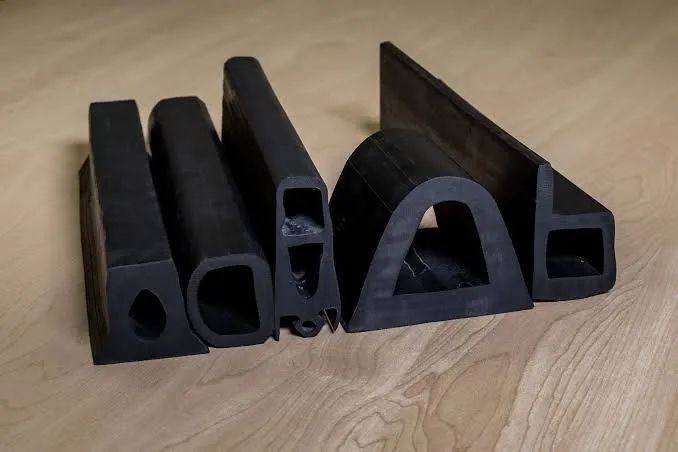

In today’s industrial landscape, the demand for reliability and durability in extreme working conditions has never been more pressing. As industries—from automotive and marine to construction and energy—continue to push the limits of technology and performance, components must be able to withstand harsh and unpredictable environmental challenges. Among the unsung heroes of these tough applications is the extruded rubber seal, a vital component designed to keep out water, dust, chemicals, and temperature extremes.
At Qingdao Seashore Industrial Co., Ltd., we understand that every gasket and seal counts when it comes to protecting systems and machinery. Over the years, the versatility and resilience of the extruded rubber seal have made it indispensable in situations where conventional materials might fail. Whether installed in arctic cold, desert heat, aggressive chemical environments, or high-pressure systems, these seals are engineered to maintain optimal performance, protect valuable assets, and extend the operational lifetime of your equipment.

Top Benefits of Using an Extruded Rubber Seal in Harsh Environments
for Qingdao Seashore Industrial Co., Ltd.
1. Understanding the Role of an Extruded Rubber Seal
To fully appreciate the capabilities and benefits of an extruded rubber seal, it helps to first understand what distinguishes this type of seal from other options in the marketplace. An extruded rubber seal is produced via a process that forces raw elastomer compounds through a precise die, creating continuous lengths of custom or standard profiles. The cross-sectional shape of the seal can be tailored to fit the unique requirements of a particular joint, housing, or cavity.
These seals are a foundation of modern engineering, serving key functions such as:
- Preventing ingress of contaminants (water, dust, debris, gas, chemicals)
- Isolating vibration and absorbing shocks
- Retaining fluids and gases under pressure
- Ensuring noise reduction and thermal insulation
Furthermore, their adaptability in design and material selection makes extruded rubber seals core components in a wide variety of machinery, vehicles, structures, and electronic enclosures—especially where other sealing methods fail.
2. The Unique Challenges of Harsh Environments
Operating in harsh environments means more than just exposure to the elements. It often involves:
- Wide temperature swings (freezing winters, scorching summers)
- Immersion in water, oils, or chemicals
- Exposure to ozone or ultraviolet (UV) light
- Abrasion, vibration, and mechanical wear
- High pressure and rapid pressure fluctuation
Traditional sealing materials—such as foam or plastics—may quickly deteriorate under these stresses. If a seal fails, it can compromise equipment safety, cause leaks or contamination, trigger costly downtime, or even result in environmental damage.
This is precisely why engineers and specifiers worldwide turn to extruded rubber seal solutions for resilient, long-term performance in the toughest conditions.
3. Top Benefits of Using an Extruded Rubber Seal in Harsh Environments
- Outstanding Chemical Resistance
When seals are expected to encounter aggressive chemicals—such as fuels, cleaning agents, acids, or lubricants—ordinary rubbers or thermoplastics can degrade, swell, or lose elasticity. However, by selecting the right elastomer (such as EPDM, silicone, fluorocarbon/Viton®, or nitrile), an extruded rubber seal can be tailored for remarkable chemical resistance.
For instance, Qingdao Seashore Industrial Co., Ltd. offers an array of material options designed to withstand corrosive fluids without compromising seal integrity, ensuring long-term performance in sectors like petrochemical processing, food manufacturing, and wastewater treatment.
- Excellent Temperature Stability
Environmental extremes are commonplace in sectors like transport, power, and outdoor infrastructure. Whether exposed to subzero temperatures that can cause brittleness or elevated temperatures that lead to softening and cracking, the right extruded rubber seal maintains critical sealing properties.
Certain compounds like silicone are capable of remaining flexible across a remarkable temperature range (from -60°C to +230°C), making them suitable for environments from Antarctic research stations to high-heat industrial ovens.
- Superior Weather and UV Resistance
Sunlight, wind, rain, and ozone are formidable enemies of many materials—but specialized rubbers like EPDM excel in resisting such degradation. An extruded rubber seal crafted from these compounds shows minimal cracking, fading, or embrittlement, even after years of outdoor exposure.
This makes EPDM extrusions especially popular for construction window seals, automotive door gaskets, and solar panel mounting systems—where both appearance and performance must last for decades.
- Durability Against Physical Wear and Tear
Components like doors, hatches, and access panels experience frequent opening, closing, flexing, and abrasion. An extruded rubber seal formulated with high wear resistance provides a longer service life and fewer maintenance interventions.
Qingdao Seashore Industrial Co., Ltd. can enhance extrusions with surface textures or reinforce with internal carriers or spines for additional structural integrity.
- Customizable Shape and Function
One of the major advantages of the extrusion process is design freedom. Need a bulb/fin combination? A dual durometer profile for both rigidity and softness? A T-section or P-shaped gasket for unique enclosures? All are possible thanks to extrusion technology.
This design flexibility enables an extruded rubber seal to fit complex geometries, support snap-in assembly, or integrate features like adhesive strips or grooves for added functionality.
- Reliable Sealing Under Pressure
In hydraulic, pneumatic, or vacuum systems, seal integrity is paramount. Standard gaskets can creep or extrude out of place, but a high-quality extruded rubber seal—especially when made with dense compounds—retains its shape and sealing force even under cyclic or constant pressure. - Reduced Noise, Vibration, and Harshness (NVH)
Many seals play a crucial role in reducing noise and vibration between mating components. An extruded rubber seal with the correct hardness (durometer) and cellular structure can absorb mechanical energy, making it invaluable in vehicles, electrical cabinets, and heavy equipment. - Enhanced Safety and Compliance
With growing regulatory requirements worldwide, selecting certified materials (FDA, UL, RoHS, etc.) for your extruded rubber seal is critical. Qingdao Seashore Industrial Co., Ltd. provides full documentation, traceability, and compliance to support your project. - Environmental Protection and Longevity
Utilizing a properly specified extruded rubber seal not only boosts equipment longevity but also helps prevent leaks that might lead to costly clean-up operations or environmental incidents, supporting corporate sustainability goals.
4. How to Select the Right Extruded Rubber Seal for Harsh Environments
Assessing Application Needs
- Temperature range: Both minimum and maximum
- Exposure media: Chemical, water, fuel, oil, sunlight
- Pressure/vacuum levels
- Mechanical movement: Compression, shear, flexing, abrasion frequency
Choosing Material: Select from EPDM, silicone, neoprene, fluorocarbon (FKM), nitrile (NBR), natural rubber, and more—based on resistance, flexibility, and certification.
- Designing the Profile
Collaborate with experienced engineers—like those at Qingdao Seashore Industrial Co., Ltd.—to develop or select the optimal cross-sectional geometry for your specific installation.
Considering Manufacturing and Quality Needs
- Tolerances: Precision tolerances may be critical for demanding environments.
- Color and surface finish: For appearance, identification, or UV protection.
- Special features: Adhesive tapes, co-extrusion, and corner molding.
5. Why Partner with Qingdao Seashore Industrial Co., Ltd. for Your Extruded Rubber Seal Needs?
- Experience:
Decades serving clients in more than 30 countries, with vast expertise in seals for harsh environment industries. - Custom Engineering:
In-house design and prototyping means your project gets the attention to detail it deserves, every step of the way. - Advanced Materials:
Access to the latest elastomers—including sustainable, low-VOC, or specialty compounds. - Certified Quality:
ISO 9001-certified processes, RoHS and REACH compliance, and full product traceability. - Global Support:
Prompt sampling, reliable mass production, and worldwide logistics.
6. Applications: Where Extruded Rubber Seals Prove Essential
- Automotive: Door, window, sunroof, and trunk seals that keep out moisture, dust, and NVH in both cold and hot climates.
- Maritime/Marine: Watertight hatches, bulkheads, and portholes exposed to salt water, UV rays, and wind-driven rain.
- Energy: Oil and gas equipment, wind turbines, and transformers needing robust chemical and pressure resistance.
- Railways and Mass Transit: Seals for doors, windows, and HVAC that function over long life-cycles and varying weather.
- Construction: Curtain wall, skylight, and facade gaskets for weatherproofing and structural movement.
- Aerospace and Defense: Lightweight, high-performance profiles for cockpit canopies and service doors.
- Electronics: Outdoor enclosures and control cabinets demanding environmental and EMI shielding seals.
- Food and Medical: Sterilizable, FDA-compliant profiles for equipment and appliances.
7. Maintenance and Longevity Tips for Extruded Rubber Seals
Even the best-engineered seals benefit from proper care:
- Regular inspection for cracks, hardening, and compression set
- Correct installation to avoid over-compression or stretching
- Periodic cleaning to remove chemicals, dust, or biological growth
- Replacement intervals based on hours of operation, cycles, or condition
Qingdao Seashore Industrial Co., Ltd. offers replacement parts and technical guidance for proper seal maintenance.
8. Looking Ahead: Future Trends for Extruded Rubber Seals in Harsh Environments
- Advanced Materials
Research into nanocomposites, enhanced elastomers, and bio-based rubbers is yielding seals with longer life and improved eco-friendliness—often tailored for specialty sectors like EVs, green buildings, and new energies. - Digital Design and Rapid Prototyping
Computer simulation and rapid 3D prototyping by companies like Qingdao Seashore Industrial Co., Ltd. are enabling faster, more accurate seal designs and approvals. - Sustainability Focus
Eco-conscious elastomers, recyclability, and energy-efficient manufacturing are becoming priorities in the sealing industry—benefiting both the environment and customers’ bottom lines. - Integrated Sealing Solutions
Combining sealing, shock absorption, and EMI shielding into multifunctional extruded profiles provides more value in a single component, reducing system complexity.
Choosing the Right Extruded Rubber Seal Partner
In every sector where environmental extremes threaten system integrity, an extruded rubber seal stands as the first line of defense for safety and performance. The precise selection, engineering, and manufacturing of these seals is not a minor detail—they are the cornerstone of equipment reliability and longevity.
Frequently Asked Questions (FAQ)
Q1: What differentiates an extruded rubber seal from a molded or cut gasket?
An extruded rubber seal is formed in continuous lengths with a consistent cross-sectional shape, ideal for long or custom profiles, while molded or cut gaskets are usually produced as discrete parts in set shapes. Extrusion allows for more flexibility in length, shape, and rapid customization.
Q2: Are all extruded rubber seals suitable for harsh chemical exposure?
No. The suitability depends on the elastomer selected. EPDM resists alkalis and weather, while FKM (Viton®) is used for hot hydrocarbons; silicone works for thermal extremes. Qingdao Seashore Industrial Co., Ltd. helps select the best material for your chemical risk.
Q3: How long do extruded rubber seals typically last in harsh environments?
With proper material selection and installation, it’s common for seals to last 5–20 years—even longer in favorable conditions. Harsh chemical or UV environments may necessitate more frequent inspections and maintenance.
Q4: Can customized colors or special properties (flame resistance, conductivity, etc.) be added?
Absolutely. Seals can be color-matched or formulated for properties like flame retardancy, electrical conductivity, low smoke, or FDA/medical compliance, depending on your system’s needs.
Q5: What is co-extrusion, and how does it benefit sealing applications?
Co-extrusion is the process of extruding two or more materials together. This lets you combine qualities—like pairing a rigid base for attachment with a soft bulb for sealing—into a single, integrated profile.
Q6: How does Qingdao Seashore Industrial Co., Ltd. guarantee quality for my application?
Through advanced materials testing, in-line dimensional checks, batch traceability, and full compliance with relevant standards (ISO, UL, etc.), all managed in-house from design to delivery.
Q7: Are there minimum order quantities for custom extruded rubber seals?
Minimums depend on profile complexity and material. Small trial runs are possible for prototypes, with larger quantities for production—ask Qingdao Seashore Industrial for specifics.
Q8: Can Qingdao Seashore Industrial manufacture seals to meet food or medical safety standards?
Yes, using FDA/LFGB-approved elastomers and hygienic production methods, we supply extruded rubber seals for food processing, beverage, and medical device industries worldwide.
Q9: Is it possible to replace existing molded gaskets with extruded profiles?
Often yes, particularly for long runs or non-standard geometries, and it may improve both sealing and installation efficiency.
Q10: What information does Qingdao Seashore Industrial need to quote a custom extruded rubber seal?
Ideally, application details (environment, size, media, temperature), profile drawings or samples, preferred material properties, color, and any compliance requirements (FDA, flame retardant, etc.).




















Sign in to leave a comment.