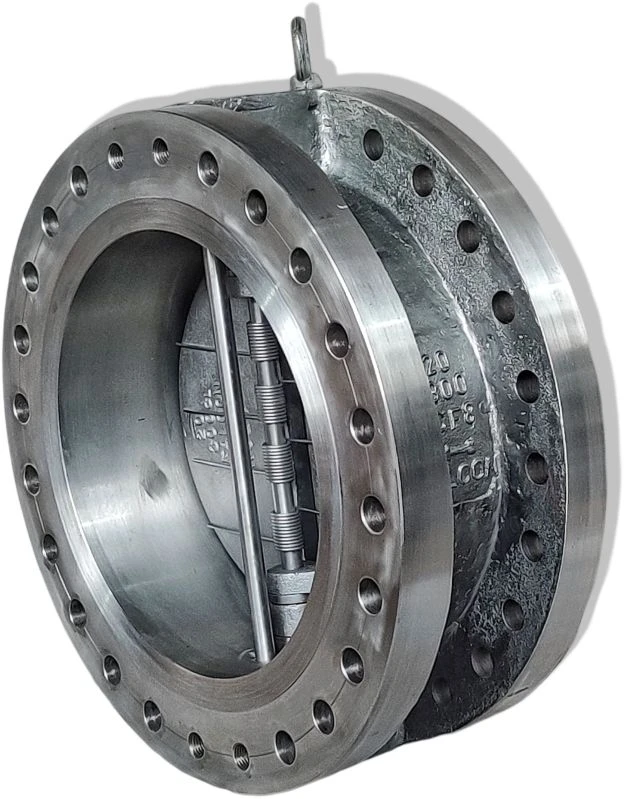

Industrial systems need reliable flow control parts that keep operations running smoothly. Dual plate check valves have become the top choice for oil and gas, petrochemical and water treatment facilities. These valves work better than swing check valves in tough industrial settings.
Read on to learn about the top benefits of using these valves in industrial applications.
Streamlined Design and Space Saving
Dual plate check valves have a streamlined design that takes up much less space than swing check valves. The compact build allows fitting in tight spots where traditional valves cannot fit well. This space-saving benefit helps a lot on offshore platforms, refineries and plants where room is limited.
Enhanced Flow Characteristics
The smooth internal geometry of dual plate check valves reduces pressure drop across the valve body. Lower pressure loss means less energy use and better system performance in pumping applications. Plant engineers get steady flow patterns that work well across different operating conditions.
Superior Sealing Performance
Dual plate check valves use advanced sealing technology that ensures reliable shut-off under various operating conditions. The twin-disc design gives backup sealing surfaces that prevent leaks even when one disc wears out. This better sealing reduces product loss and keeps systems working properly.
Wide Range of Material Options
The valves are available in duplex stainless steel and super duplex stainless steel and range all the way to speciality alloys. Material choice flexibility lets engineers pick the right grades for specific service conditions and harsh environments. Options include:
● Inconel
● Monel
● Hastelloy C276
● Titanium
● Alloy 20
● SS904L
● LTCS
Wide Size Range and Uses
Dual plate check valves are available in sizes ranging between 2 inches and 96 inches, thus, capable of covering any piping application. Thanks to this vast range, they are convenient in water treatment plants, oil and gas processing units, chemical plants and pipeline networks. Large diameter options support high-volume flow applications effectively.
High-Quality Manufacturing
Many dual plate check valves use investment casting construction that ensures exact dimensions and consistent quality. Investment casting removes porosity problems common in other making methods, creating stronger and more reliable valve bodies. This process offers better surface finish and precise inside shapes.
Blow-Out-Proof Construction
Modern dual plate check valves have blow-out-proof design features that prevent disc ejection under extreme pressure conditions. This safety feature protects workers and equipment from dangerous disc failure during operation. The strong construction keeps valve integrity even under harsh service conditions.
Less Maintenance Needed
The simplified internal mechanism of dual plate check valves requires less frequent maintenance compared to complex swing check designs. The less the number of moving parts, the less the wear and the longer service life in the industry. For maintenance teams, that translates to faster inspection and less downtime.
Cost-Effective Operation
Despite higher starting cost, dual plate check valves save money long-term through reduced energy use and maintenance needs. The efficient design minimizes operating costs while giving reliable performance over long service periods. Project engineers appreciate the favorable lifecycle cost analysis these valves provide.
Quick Installation and Commissioning
The compact design and standard flange connections facilitate rapid installation and system commissioning procedures. Simplified installation reduces project timelines and associated labor costs during construction phases. Contractors benefit from reduced complexity during valve installation and system startup procedures.
Therefore, when it comes to discussing flow control, dual plate check valves provide a rather better solution for controlling backflow. They have a compact design and need low maintenance, which makes them an attractive choice. The combination of strong performance and cost-effectiveness makes plant engineers and project designers choose them. The many material options and size ranges ensure suitable solutions for diverse industrial uses across multiple sectors.




























Sign in to leave a comment.