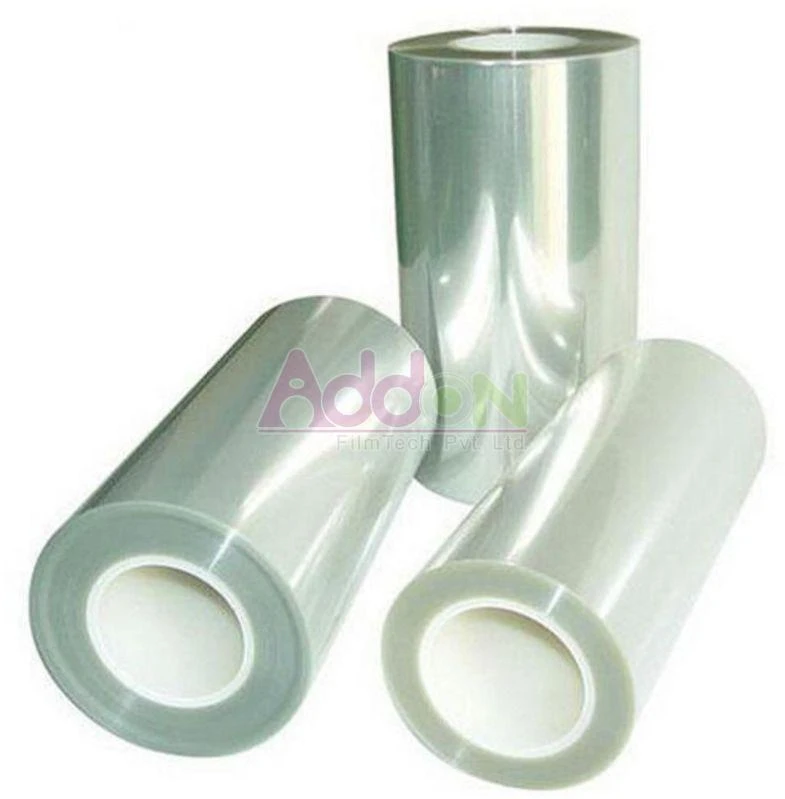

If you're working in packaging, supply chain, or even just someone vaguely aware of the mess we're making with plastics, you've probably heard whispers about PCR (Post-Consumer Recycled) content. But let’s talk specifics — PCR content PET shrink film isn’t just a trend. It's a serious answer to a very noisy question: how do we keep products looking polished on shelves without adding to the plastic problem?
It’s not just about going green. It’s about doing smart business without looking like you’re greenwashing the whole thing.
Less Guilt, More Shelf Appeal
Consumers are tired of flashy packaging that ends up choking rivers or piling up in landfills. With PCR content PET shrink film, companies are using recycled plastic—that’s material already in circulation—to create shrink film that looks, feels, and performs like virgin-grade stuff. That means brands don’t have to choose between looking good and doing good.
And yes, it still hugs bottles and containers like a glove. Whether it’s a VitaminWater or a store-brand cleaning spray, the shrink film stays smooth and clear. You won’t get that hazy, cheap look some older recycled plastics had. Technology’s caught up.
Cuts Emissions Without Cutting Corners
Here’s something that might not get shouted from rooftops but deserves a moment: PCR shrink films reduce carbon footprints in a very real way.
Producing virgin PET plastic requires oil extraction, refining, and a whole list of steps that suck up energy. When you use PCR material, you skip all that. Less energy. Fewer emissions. Fewer trucks are moving raw petroleum products around. It adds up.
Plus, PCR films are often lighter than older packaging materials. That might sound small, but shipping weight matters. Less weight per pallet? Lower fuel use. Simple.
It Plays Well With Your Equipment
One of the big concerns people used to have was whether recycled materials would jam machines or shrink unevenly under heat. Fair worry. But these days, high-quality PCR content PET shrink films are engineered to run through standard heat tunnels without drama.
So if your production line is already set up for PET shrink sleeves, you’re good. No overhaul. No massive investment. Just a smarter film going through the same rollers and tunnels. Easy win.
Your Brand Story Just Got Better
Now here’s the marketing angle—and yes, it matters. Consumers want receipts. Not just “we care about the planet” statements in beige fonts. Actual action.
Using PCR content shrink film lets you put that story on the label. Literally. It's a product that tells your sustainability story as it's wrapped around your product. That kind of transparency builds trust. Especially with younger consumers who grew up watching their oceans fill with bottle caps.
Add a QR code, and boom—now you’re linking to a short video about how your packaging avoids virgin plastics. That’s a flex.
Regulations Are Coming. Beat Them to It.
Let’s be real. Governments are catching up. From California’s new packaging laws to the EU’s plastic tax schemes, businesses are going to be forced to pivot sooner or later. If you’re already using PCR content shrink films, you’re ahead of the curve.
It’s like switching to EVs before gas prices spike—smart, responsible, and a whole lot less chaotic in the long run.
Cost? It's Not the Barrier It Used to Be
A few years ago, recycled materials came with a markup. Supply was limited. Quality was uneven. Not anymore. With demand stabilising and recycling infrastructure improving (shout out to companies like Indorama and CarbonLite), the price gap has narrowed.
And here’s the real kicker: when you factor in tax credits, improved consumer perception, and potential fines avoided? PCR film might actually cost you less.
One Last Thing To Chew On
You know what? It's not just about packaging. It’s about responsibility. And okay, that word gets tossed around too much. But look around—people are paying attention. To what’s in their food, who made their clothes, and what kind of waste they’re leaving behind with every shopping trip.
PCR content PET shrink film isn’t going to save the planet by itself. But it’s a small, smart step toward not making things worse. And if your brand can be part of that story? That’s something worth wrapping yourself in.

























Sign in to leave a comment.