
The analytics industry has become one of the fastest-growing career sectors in recent years. Organizations across finance, healthcare, retail, e-commerce, and technology are increasingly relying on data-driven decisions, creating strong demand for skilled analytics professionals. However, despite the growing number of opportunities, many candidates still struggle during the analytics recruitment process. From technical assessments to communication barriers, there are several challenges that applicants commonly face while trying to secure analytics roles.
Lack of Practical Experience
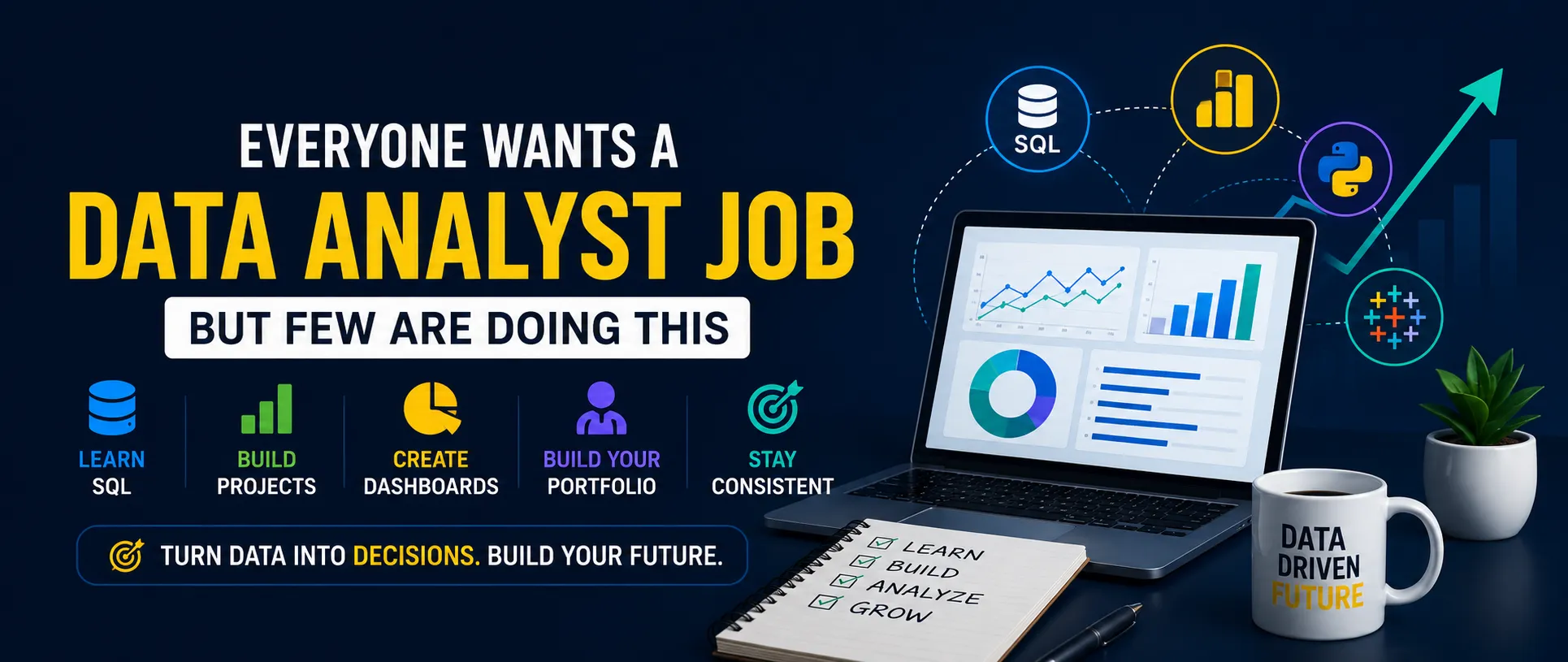
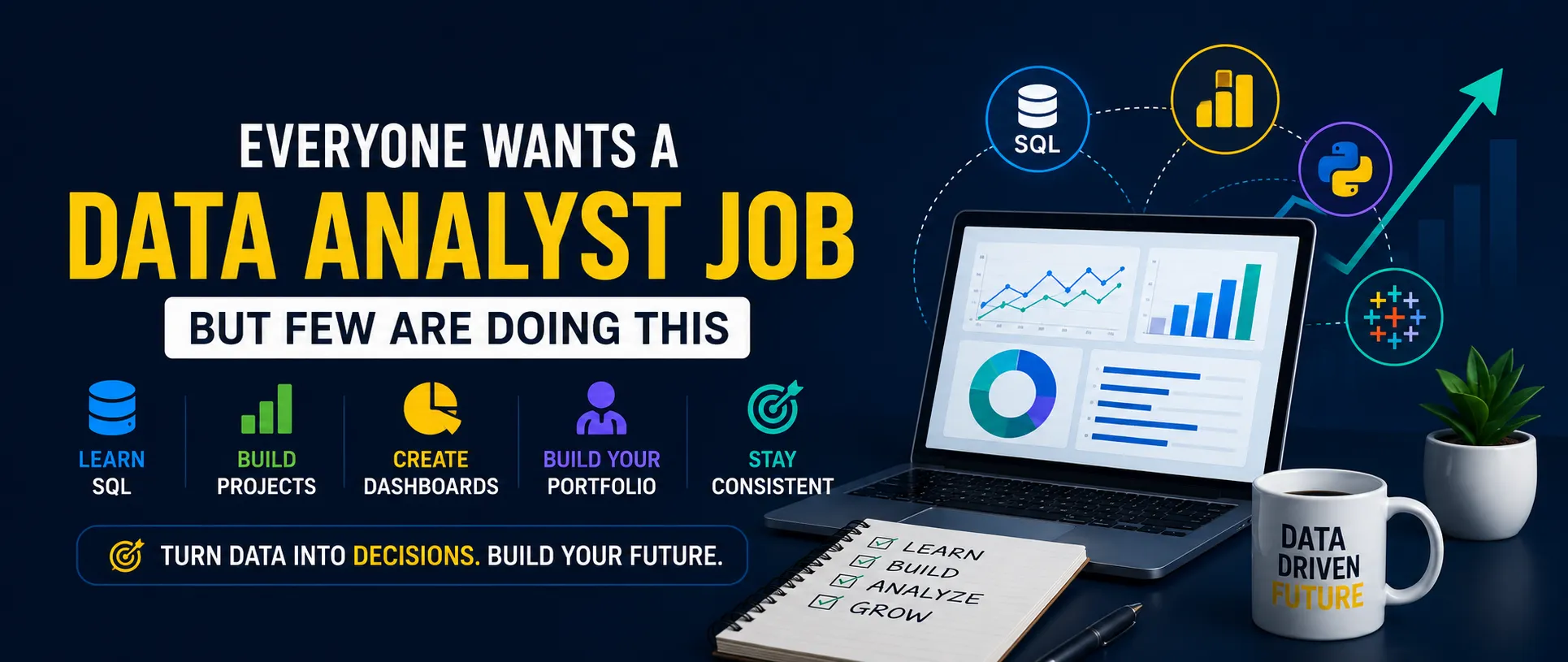
One of the biggest challenges candidates encounter is the lack of hands-on project experience. Many aspiring analysts learn theoretical concepts through courses or certifications but fail to apply them to real-world business problems. Recruiters today prefer candidates who can demonstrate practical knowledge of SQL, Excel, Python, Power BI, Tableau, or data visualization tools through live projects and case studies.
Without a strong portfolio, it becomes difficult for applicants to stand out in a highly competitive hiring market.
Difficulty in Solving Business Problems
Analytics recruitment is no longer limited to technical skills alone. Companies expect candidates to understand business scenarios and derive meaningful insights from data. Many applicants struggle when interviewers ask case-study-based questions or real-world analytical problems.
Recruiters often assess whether a candidate can think critically, identify trends, and provide actionable recommendations rather than simply writing code or queries.
Poor Communication Skills
Even technically skilled candidates may face rejection due to poor communication abilities. Data analysts frequently work with non-technical stakeholders, managers, and business teams. Therefore, recruiters look for professionals who can explain complex findings in simple language.
Candidates who fail to present insights clearly or confidently during interviews may lose opportunities despite having strong technical expertise.
Intense Competition in Entry-Level Roles
The rise in popularity of data analytics careers has significantly increased competition, especially for fresher positions. Thousands of applicants often apply for the same role, making the recruitment process highly selective.
To succeed, candidates must differentiate themselves through certifications, portfolios, internships, networking, and interview preparation strategies.
Rapidly Changing Skill Requirements
The analytics field evolves continuously with new tools, technologies, and AI-driven platforms entering the market. Candidates often struggle to keep up with changing industry expectations. Employers may require knowledge of cloud analytics, automation tools, machine learning basics, or advanced dashboarding techniques.
Continuous learning has become essential for long-term success in analytics careers.
The Importance of Interview Preparation
One major factor behind unsuccessful applications is inadequate preparation for analytics interviews. Technical rounds frequently include SQL queries, data interpretation exercises, statistics questions, and business case discussions. Behavioral interviews also test problem-solving ability, teamwork, and communication.
Platforms like Analytics Shiksha help aspiring professionals improve their data analyst interview preparation through structured learning resources, practical guidance, interview-focused training, and industry-relevant analytics concepts. Such platforms can help candidates build confidence and improve their readiness for real recruitment challenges.
Conclusion
Analytics recruitment can be challenging due to competition, evolving skill requirements, communication gaps, and the demand for practical problem-solving abilities. However, candidates who focus on continuous learning, project experience, and proper interview preparation can significantly improve their chances of success. As the demand for analytics professionals continues to grow, well-prepared candidates will have better opportunities to build rewarding careers in the data industry.




























Sign in to leave a comment.