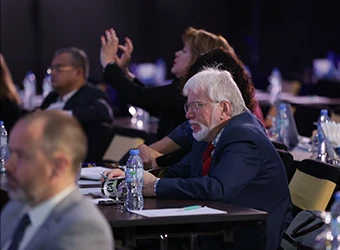

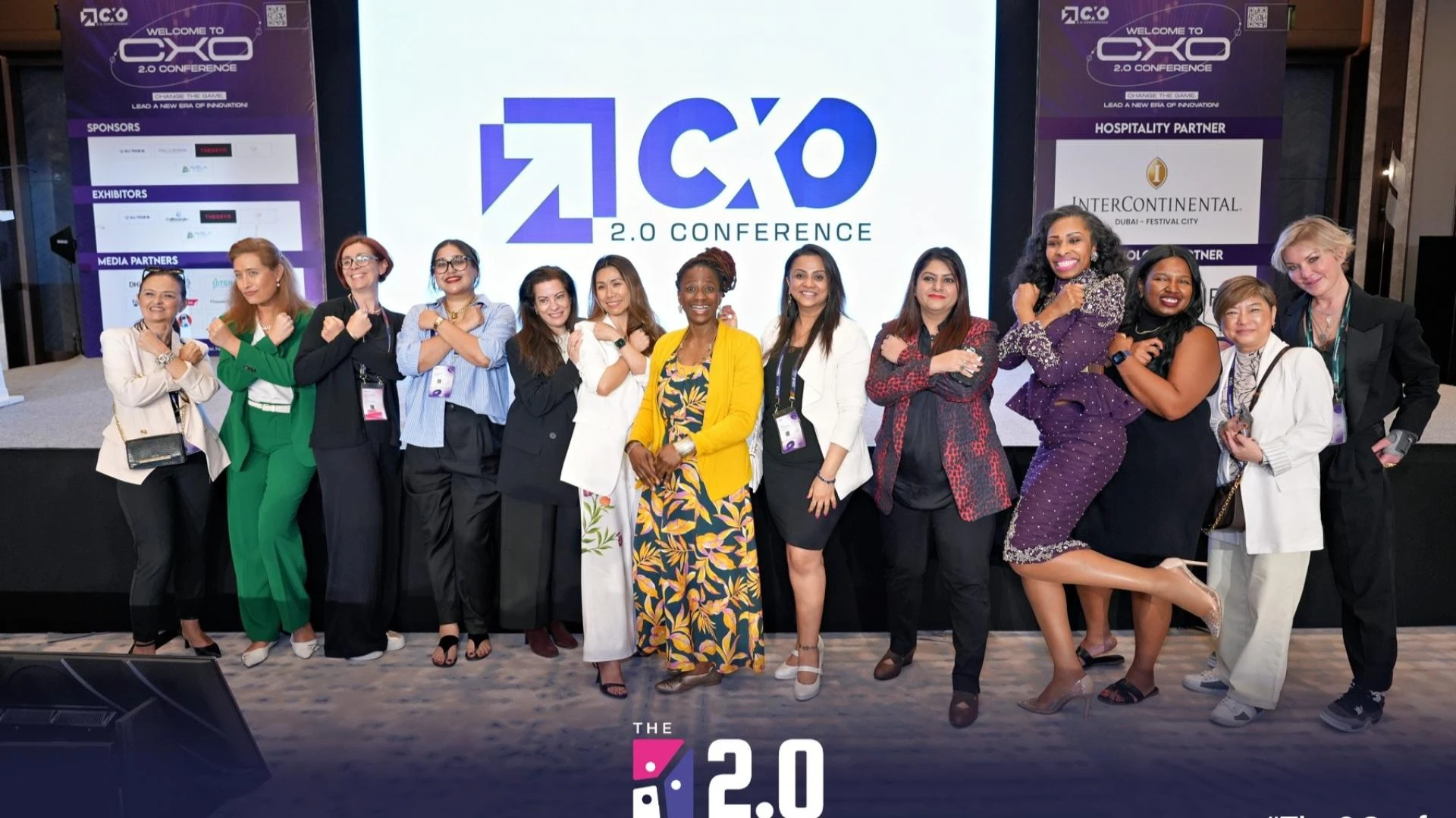
In a time characterized by swift transitions, leaders confront the challenging responsibility of guiding their organizations across unfamiliar territory. The traditional command-and-control approach is becoming increasingly ineffective in a world shaped by globalization, technological leaps, and unexpected challenges. This evolving dynamic underscores the urgency for a shift towards adaptive leadership, a theme that resonates within the circles of the upcoming CXO 2.0 Conference.
This blog will explore the essence of adaptive leadership in these turbulent times, offering insights and strategies for navigating complexity. Readers will discover the tools and mindsets needed to thrive amidst uncertainty, echoing the discussions anticipated at leadership gatherings nationwide.
Rise Of Adaptive Leadership
Adaptive leadership, a framework developed by Ronald Heifetz and Marty Linsky, equips leaders to navigate turbulent times. It highlights the capacity to adjust to evolving situations, mobilize teams for collective problem-solving, and promote innovation when clear answers are elusive. Here\'s what distinguishes adaptive leadership from its predecessors:
Focus On Values And Mindsets: Traditional models relied heavily on technical expertise and established processes. Adaptive leadership recognizes the need to address the deeper issues – the underlying values, beliefs, and mindsets that may be hindering progress. These "adaptive challenges," as Heifetz terms them, demand a shift in paradigms and often involve conflicting interests, making a single, universally accepted solution unlikely.
Mobilizing For Change, Not Just Action: Directing teams toward pre-defined actions is insufficient. Adaptive leaders excel at mobilizing collective intelligence within their organizations. This involves cultivating a climate of psychological safety where individuals feel comfortable voicing concerns, proposing unconventional solutions, and even challenging the status quo. Techniques like active listening, open-ended questioning, and encouraging healthy debate cultivate this critical environment. Insights and techniques like these will be further explored in upcoming in-person leadership conferences, offering deep dives into the practical application of adaptive leadership principles.
Leading With Purposeful Intervention
Adaptive leadership goes beyond simply diagnosing the challenge. It demands a purposeful intervention, strategically guiding the organization toward a more adaptive state. Below are several effective tactics leaders can utilize:
Leadership By Release: Letting go of the need for absolute control is counterintuitive but essential. Adaptive leaders empower others by delegating authority and promoting ownership within their teams. This "leadership by release" approach equips team members to take initiative, experiment, and contribute their unique perspectives to the solution-finding process.
Holding Steady In The Face Of Discomfort: Adaptive challenges often create a sense of unease and disruption. Leaders who project a sense of calm amidst uncertainty inspire trust and confidence within their teams. This doesn\'t require feigning all-knowingness but rather demonstrating a willingness to learn, adapt, and navigate the unknown alongside their teams.
Culture Of Experimentation And Continuous Learning
Uncertainty breeds risk but also presents immense opportunity. Leaders skilled in adaptation cultivate a culture that embraces calculated risk-taking and experimentation. This allows for exploring new ideas, testing unconventional approaches, and ultimately finding better solutions to complex challenges.
Here are some ways to promote a culture of experimentation:
Rapid Prototyping: Encourage rapid prototyping of potential solutions. This allows for quick, low-cost testing of ideas, facilitating iteration and learning without significant resource investment.
Fail Fast, Learn Faster: Destigmatize failure by reframing it as a necessary stepping stone for learning and progress. Promote open discussions on what went wrong and actively seek out lessons learned from failed experiments.
These approaches promote a growth mindset within the organization, encouraging continuous learning and adaptation in the face of ever-changing circumstances. This mindset and these practices will be a central theme at the CXO 2.0 Conference, scheduled in the USA and Dubai, providing a platform for leaders to share insights and strategies for nurturing a culture of experimentation and learning.
Power Of Shared Learning: Diversity Of Thought
Knowledge sharing is the cornerstone of adaptation. Leaders can create platforms for open dialogue and knowledge exchange across teams and departments. This boosts collaboration, leverages diverse perspectives, and accelerates collective learning.
Here are some strategies for promoting knowledge sharing:
Cross-Functional Teams: Create teams composed of members with varied abilities and backgrounds to tackle complex challenges. This promotes cross-pollination of ideas and leads to more comprehensive solutions.
Knowledge Management Systems: Implement knowledge management systems that facilitate the capture and dissemination of best practices, lessons learned, and successful experimentation results across the organization.
By dismantling barriers and promoting transparent dialogue, leaders can tap into the shared wisdom of their organization, enabling a more informed and adaptable approach to navigating uncertainty.
Sharpening Your Adaptive Leadership Skills
While this blog provides a foundational understanding, honing your adaptive leadership skills requires dedicated practice and exposure to real-world scenarios. Consider attending leadership conferences or workshops specifically designed to develop these capabilities in a collaborative and interactive environment.
These programs often feature renowned experts in the field, case studies that showcase successful adaptive leadership implementations, and interactive sessions that allow participants to test their own leadership skills in simulated scenarios. Networking opportunities with peers facing similar challenges further enhance the learning experience. In the near future, conferences for senior leaders will offer sessions focused on refining adaptive leadership skills, providing an invaluable resource for executives looking to navigate the complexities of modern leadership.
Leading The Way In Turbulent Times
In conclusion, navigating the complexities of modern leadership demands an embrace of adaptive leadership, a culture geared towards innovation, and an unwavering commitment to skill development. As we face an ever-changing business landscape, these principles become not just advantageous but essential for success. Looking ahead to 2024, in-person leadership conferences such as the CXO 2.0 Conference present unparalleled opportunities for senior leaders. These gatherings will spotlight cutting-edge strategies and emerging trends, empowering attendees to steer their teams through uncertain times with confidence and insight.
By immersing in the discourse on leadership innovation, attendees will find valuable pathways to elevate their approach and inspire their teams. The future calls for leaders who are prepared to navigate the unknown with resilience and vision. Explore the agendas of upcoming conferences and select one that aligns with your aspirations. Embark on this journey to enrich your leadership toolkit and transform challenges into opportunities for growth.
Author Bio
Anubhav Shukla
Anubhav Shukla is a proactive member of the organizing committee for the CXO 2.0 Conference. He is deeply committed to enhancing corporate excellence and facilitating growth through strategic collaboration. Drawing upon his extensive experience and astute industry awareness, Anubhav is proud to be associated with a platform that empowers business leaders to surmount obstacles, capitalize on opportunities, and mitigate the risks associated with fraud, scams, and spam within the legitimate business sphere.



























Sign in to leave a comment.