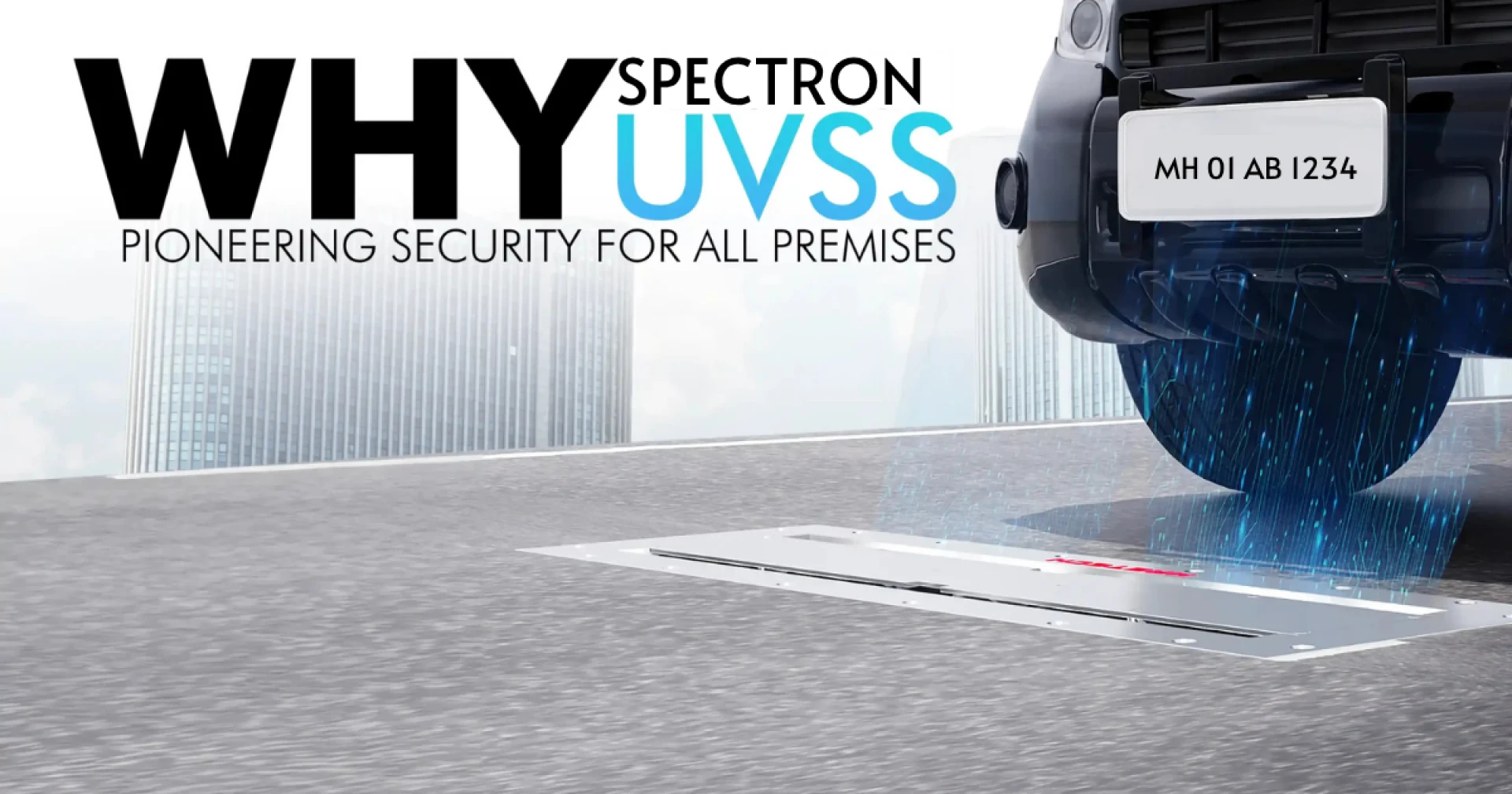

As physical security threats continue to evolve, so must the technologies that protect critical infrastructure. Whether you’re managing a border checkpoint, a corporate data center, or a high-security industrial facility, under vehicle inspection systems (UVIS) have become an essential component of modern perimeter defense.
But in 2025, it’s not just about having a UVIS, it's about choosing the right UVIS/UVSS system supplier. Your supplier directly impacts detection accuracy, software integration, uptime, and long-term security performance.
In this blog, we’ll walk you through the top features to evaluate when selecting a UVIS system supplier whether you're upgrading an existing setup or planning a new deployment.
What Is a UVIS System?
A UVIS (Under Vehicle Inspection System) is a security tool designed to scan and detect threats underneath vehicles entering a secure area. It identifies potential risks such as:
- Concealed weapons or explosives
- Smuggling of contraband
- Unauthorized modifications or suspicious packages
- Vehicle tampering attempts
UVIS systems are commonly used at:
- Military bases
- Airports and seaports
- Government buildings
- Oil refineries and power plants
- Corporate campuses and data centers
Given their role in front-line threat detection, choosing the right supplier is a security-critical decision.
1. High-Resolution Imaging and Clarity
At the core of any UVIS system is its ability to generate clear, high-resolution images of a vehicle's undercarriage.
A good supplier will offer:
- HD or UHD camera systems (up to 4K imaging)
- Color and infrared (IR) imaging for all-weather clarity
- Wide-angle lens coverage for full undercarriage visualization
- Anti-glare and night-vision compatibility
Poor image quality can result in missed threats or unnecessary rechecks, slowing down operations and compromising security.
2. Real-Time Threat Detection and AI Analytics
Modern UVIS systems should go beyond passive scanning. Top suppliers integrate AI-powered detection software that can:
- Automatically highlight anomalies
- Compare vehicle baselines in real time
- Detect foreign objects or recent changes
- Reduce operator reliance on manual observation
In 2025, AI-enabled UVIS will be the standard, not the exception. Choose a supplier that has invested in image recognition and anomaly detection tools.
3. Durability and Environmental Adaptability
UVIS systems are often installed in outdoor environments where they're exposed to heat, dust, water, and heavy vehicle traffic. The right supplier should provide:
- IP68-rated enclosures
- Stainless steel or powder-coated hardware
- Anti-corrosion build for coastal or chemical zones
- Shock-resistant design for frequent use
Look for suppliers with proven installations in extreme climates whether deserts, coastal zones, or high-humidity regions.
4. Fast Scanning and Throughput Optimization
In high-traffic areas like commercial gates or port terminals, scanning speed matters. A reliable supplier provides systems that:
- Scan vehicles in under 3–5 seconds
- Process results and flag issues instantly
- Integrate with vehicle license plate recognition (LPR/ANPR)
- Manage high vehicle throughput with minimal wait times
Downtime or delays can cause operational bottlenecks and affect customer satisfaction in commercial or industrial facilities.
5. Flexible Deployment Options
Not all facilities need permanent installations. Choose a supplier that offers:
- Fixed (in-ground) systems for permanent gates
- Portable or mobile UVIS for events or temporary checkpoints
- Modular platforms that allow phased expansion
- Surface-mount options for quick deployment
This flexibility ensures the system meets your site layout, budget, and future growth plans.
6. Integration with Access Control and Surveillance
A UVIS system should never work in isolation. Leading suppliers offer seamless integration with:
- Boom barriers or hydraulic bollards
- CCTV surveillance systems
- RFID access or biometric readers
- Command & control software (VMS/PSIM)
Such integration reduces the training curve and gives your security team a 360° situational view.
7. User-Friendly Interface and Reporting
An advanced UVIS system should still be easy for operators to use, especially during high-pressure scenarios.
Choose a supplier offering:
- Touchscreen-based UI with minimal clicks
- Multi-language interface options
- Instant alert logging and image archiving
- Exportable reports for compliance/auditing
Well-designed interfaces reduce operator fatigue and ensure consistent inspection quality.
8. Cybersecurity and Data Privacy
As UVIS systems become connected to enterprise networks, they become potential targets for cyber threats.
Top suppliers now provide:
- Encrypted data transmission
- Role-based access control
- VPN compatibility for remote monitoring
- Secure storage with audit trails
Cybersecurity features are essential in defense, energy, and infrastructure sectors where inspection data is sensitive.
9. Service and Support Capabilities
Security systems are only as good as their uptime. Choose a supplier who offers:
- Local or regional service presence
- Remote diagnostics and firmware updates
- Preventive Maintenance Contracts (PMC)
- Operator training and certification programs
Spectron Group, for instance, offers SLA-backed support with technician availability across India and the Gulf region ensuring your system stays online 24/7.
10. References and Proven Deployments
Before committing, always ask the supplier for:
- Reference clients in similar industries
- Case studies or performance metrics
- Third-party certifications or audits (e.g., ISO, CE)
- On-site demos or virtual walkthroughs
This ensures the supplier has the experience to handle your scale and security expectations.
Summary: UVIS Supplier Checklist
Feature
HD/IR imaging system
Clear visual of threats in all conditions
AI-based anomaly detection
Reduces manual review errors
Fast scan and processing time
Ideal for high-traffic security zones
Integration with access systems
Why It’s Essential
Creates a unified security infrastructure
Durable, all-weather design
Reliable under heavy vehicle traffic and outdoor use
Cybersecurity and encryption
Protects inspection data from breaches
Service availability and AMC
Ensures long-term uptime and performance
Final Thoughts
In 2025, investing in a UVIS/UVSS system is more than a security upgrade; it's a commitment to operational excellence, safety, and compliance. But these benefits can only be realized when the system is built, supported, and refined by a future-ready UVIS/UVSS system supplier.
From AI-enabled detection to cyber-hardened infrastructure and seamless integration, your supplier should be as advanced as the threats you're trying to prevent.



























Sign in to leave a comment.