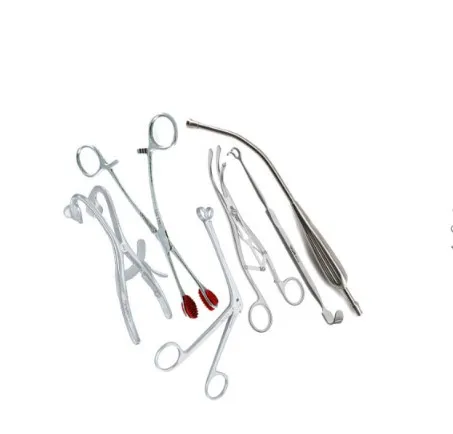

Specialized medical instruments, such as forceps, specula, and retractors, are called ENT surgical instruments and are used in procedures of the ear, nose, throat, and structures of the head/neck.
Accuracy is important since such tools have to work around sensitive anatomy (like the middle ear or ethmoid sinus), and patient safety requires the durability and ergonomic control of such devices. Let’s have a look in detail.
History of Instrumentation Used in Otolaryngology
Surgery ENT moved to the least invasive approach. The development of the ear, nose, and throat apparatus in the contemporary world has been built in a way that they can be integrated into the endoscopic system, which has resulted in the surgeons having a more accurate view of the endoscope, and therefore, they can more accurately treat afflictions than ever before.
The mileage and tactile feedback of the German stainless steel high-grade is still the gold standard in London, or in large surgical units in New York.
Ear Surgery Instruments: Micro-Precision to the Auditory Canal.
Ear surgery (Otology) has probably been the most sensitive sub-specialty of ENT. Owing to the sensitivity of ear surgery in the middle and inner ear, instruments in ear surgery must be highly balanced.
1. Wilde Ear Forceps:
They are required for the manipulation of delicate tissues. They feature an angled design of a bayonet as a decisive element in their design, and thus, the hand will not be an obstacle to the surgeon who is working with a microscope or a speculum.
2. Lempert Curettes:
These curettes are applied in the scraping of bone, which is carried out with extreme precision, particularly in the mastoidectomies. They are available in various sizes to suit the various anatomies of the patients.
3. Ear Specula (Farrier or Boucheron):
These are employed to open the ear canal, which is adequate to conduct the diagnostic test and surgical operation.
Nasal Surgical Tools
The demand of rhinology and sinus surgery is that tough cartilage and bone should be cut with instruments that are tender to the vascular lining of the mucosa.
Nose surgery instruments need to be robust enough to ease surgery, but smooth for the endoscopy of the sinus.
1. Killian and Vienna Nasal Specula:
These are the first two leading instruments that are used to inspect the nasal septum. The Vienna model is most often applied to smaller adult or pediatric cases needing shorter blades; the Killian is more penetrating.
2. Luc Septum Forceps:
These are necessary whenever doing septoplasty. They allow having a good grip on the deviated bone or cartilage and excising it without any movement.
3. Takahashi Ethmoid Forceps:
These are defined by having fine cup-shaped tips, and they are used in ethmoidectomies, making it simple to extract fine bone fragments and polyps.
Throat and Respiratory Instruments: Protection.
The instruments used in the throat and respiratory tract should take into account the depth of the oral cavity and the continuous movement of the airways of a patient.
Stable retraction and long-reach features are the important aspects of high-quality instruments in this category of ENT.
1. McIvor Mouth Gag:
This is a necessary device applied in tonsillectomies and adenoidectomies. It holds the mouth open and simultaneously presses the tongue down to provide a hands-free area for the surgery.
2. Jennings Mouth Gag:
This gag is a regular ratcheted gag normally used in situations where the surgery is short to allow oral access.
3. Tonsil Dissectors and Retractors:
The tools allow the surgeon to dissect the peritonsillar space and the tonsillar capsule in a clean manner, which reduces the quantity of blood lost following a surgery and recovery period.
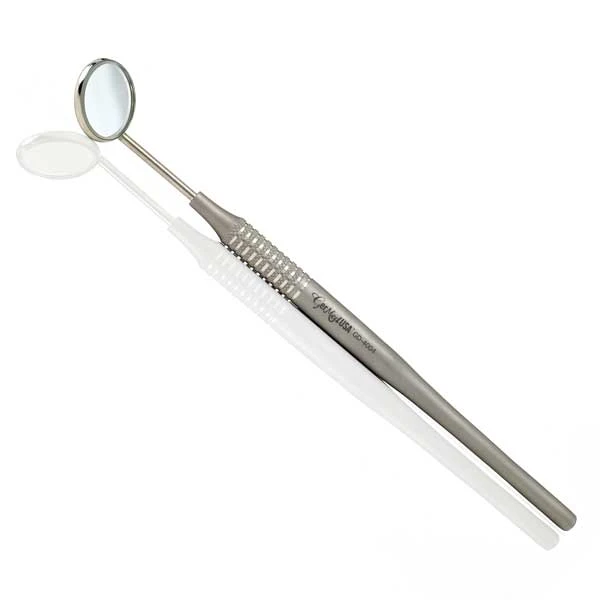
4. Laryngeal Mirrors:
This is required to ensure indirect laryngoscopy in order to view the vocal cords and tissues surrounding the vocal cords.
Meeting International Medical Quality.
Within the sourcing of surgical equipment, the concept of Geo-friendly would mean adherence to the extensive regulatory demands of different destinations, such as the FDA (USA), the CE Mark (Europe), and the ISO 13485.
The German forged stainless steel is of high grade and is globally accepted as the best material to use since it is not corrosive and is biocompatible, meaning that such tools can be used in any clinical environment anywhere on earth.
GerMedUSA offers localised support and international shipping, whether you are a United States-based surgical facility in need of FDA-compliant equipment or an international clinic in Europe.
Conclusion
The high-quality instrumentation is a long-term investment beneficial to clinical practice. GerMedUSA provides a broad assortment of ENT and respiratory tools that aim to achieve the maximum standards of excellence in surgery all over the world.
FAQs
What is the significance of the fact that the ENT tools are of German Stainless Steel?
German stainless steel is harder and more resistant to corrosion. Since ENT tools are not very large and fragile, this material provides them with the ability not to bend or lose their advantages after hundreds of sterilizations.
How were ENT instruments used to be sterilized in order to reuse them?
Steam-sterilization in an autoclave at 121 °C or 134 °C is most commonly used after manual or ultrasonic cleaning of tools to remove biological contaminants.
What is the difference between an ear and a nasal speculum?
A nasal speculum (such as the Killian) is in a plier shape to gently open the nostrils, whereas an ear speculum (such as the Farrier) is funnel-shaped to give a view of the eardrum.
Why does the shape of the ENT forceps bear a bayonet?
The bayonet design has an offset handle to enable surgeons to see through their own hand when operating in small openings such as the ear or nose.
What are the important instruments needed in a basic ENT diagnostic instrument?
A set of standards covers an ear speculum, nasal speculum, tongue depressor, laryngeal mirror, and tuning fork.
Can these instruments be used in pediatric ENT surgery?
Yes, but they must be pediatric-sized versions (like the Vienna speculum) to match the smaller anatomy of children.




























Sign in to leave a comment.