

The healthcare industry is undergoing a digital transformation, and startups are at the forefront of this evolution. The increasing demand for better patient care, streamlined operations, and innovative medical solutions has led to a surge in the development of healthcare software. For healthcare startups, choosing the right software development services is crucial to creating competitive and efficient solutions.
In this article, we will explore the top healthcare software development services for startups, how these services can help scale operations, improve patient care, and ensure compliance, and provide an overview of the key services to look for when partnering with a software development company.
Why Healthcare Startups Need Reliable Software Development Services
Healthcare startups face numerous challenges as they enter the market, including navigating complex regulatory frameworks, integrating with legacy systems, and delivering high-quality care while keeping costs under control. The right software can address these challenges and help startups deliver innovative solutions that meet market demands.
Some of the reasons healthcare startups need software development services include:
- Efficient Data Management: Healthcare data is vast and complex, making it difficult to manage manually. Custom software helps manage patient data, medical records, appointment scheduling, and billing in a more streamlined, secure, and accessible way.
- Regulatory Compliance: The healthcare industry is highly regulated, with strict rules around patient data, privacy, and security. Compliance with regulations such as HIPAA in the U.S. or GDPR in Europe is essential. Custom software ensures adherence to these regulations by incorporating necessary security and privacy protocols.
- Improved Patient Care: Whether through telemedicine, patient portals, or decision support systems, software solutions can significantly enhance the quality of patient care. Startups can develop software tailored to their specific target market, improving patient outcomes and engagement.
- Operational Efficiency: Healthcare startups often have limited resources, so it's critical to automate and streamline processes. Custom software can reduce manual work, minimize errors, and optimize workflows.
Top Healthcare Software Development Services for Startups
Healthcare software development services provide startups with the tools to manage and optimize every aspect of their operations. Here are some of the top healthcare software development services for startups that can help healthcare entrepreneurs make a meaningful impact in the industry.
1. Electronic Health Records (EHR) Systems
Electronic Health Records (EHR) are digital versions of a patient’s medical history, making it easier for healthcare providers to track a patient’s treatment over time. A robust EHR system allows healthcare providers to store, manage, and share patient data securely and efficiently.
For startups, developing a custom EHR system can help meet specific market needs, such as specialty-specific features or integration with telemedicine platforms. With the right features, startups can offer a solution that improves data management, enhances patient care, and simplifies regulatory compliance.
Key Features of EHR Systems:
- Secure, real-time access to patient data
- Integration with other healthcare systems
- User-friendly interfaces for healthcare providers
- Automated updates and alerts for treatment protocols
Benefits:
- Improved coordination between healthcare providers
- Enhanced data accuracy and real-time updates
- Streamlined patient care and fewer administrative errors
2. Telemedicine Platforms
The demand for telemedicine has exploded in recent years, particularly after the COVID-19 pandemic. Telemedicine platforms allow healthcare providers to conduct consultations with patients remotely, saving time and providing convenient care, especially for those in underserved or rural areas.
Startups can benefit from developing telemedicine software that integrates video conferencing, appointment scheduling, secure messaging, and patient data management. A well-developed telemedicine platform can help startups reach a broader audience and increase patient engagement.
Key Features of Telemedicine Platforms:
- Video consultation and chat features
- Integration with EHR systems
- Secure messaging and document sharing
- Appointment scheduling and reminders
Benefits:
- Increased patient access to healthcare
- Cost-effective solution for both providers and patients
- Improved patient satisfaction through convenience
3. Healthcare Mobile Applications
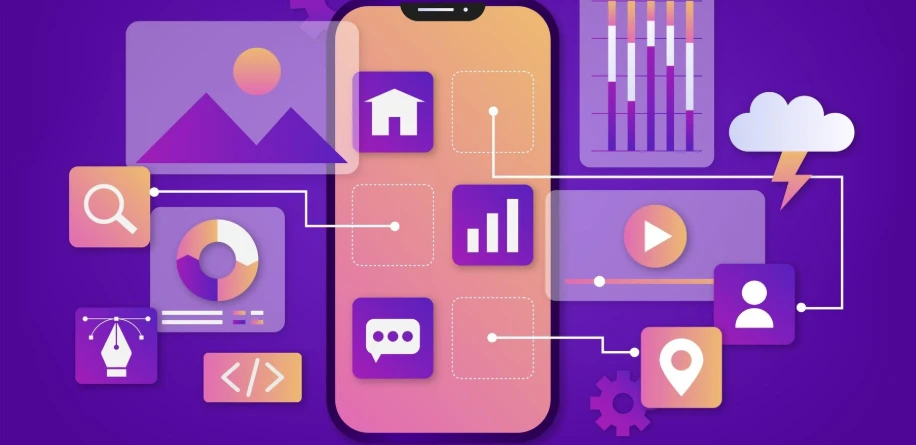
Mobile healthcare apps have revolutionized patient engagement by providing easy access to health information, medication reminders, telemedicine services, and fitness tracking. For startups, developing a mobile app can be a strategic way to meet the needs of a growing tech-savvy patient base.
Whether it's a fitness tracking app, a medication management app, or a mental health app, startups can benefit from developing mobile solutions that align with patient preferences and help improve outcomes. Custom mobile healthcare apps can empower patients to take a more active role in their healthcare management.
Key Features of Healthcare Mobile Apps:
- Medication reminders and alerts
- Fitness and wellness tracking
- Integration with wearable devices
- Secure messaging with healthcare providers
Benefits:
- Increased patient engagement and adherence to treatment plans
- Real-time access to health data
- Convenient way for patients to track and manage their health
4. Medical Billing and Coding Software
Medical billing and coding are essential for revenue cycle management, but they can also be time-consuming and prone to errors. Custom medical billing and coding software streamline these processes, ensuring accuracy, timely claims, and a smooth financial workflow for healthcare startups.
By automating billing and coding tasks, startups can reduce administrative overhead and improve cash flow. Integrating this software with other healthcare systems such as EHR and practice management software ensures seamless data transfer and reduces errors.
Key Features of Medical Billing Software:
- Automated billing and coding
- Integration with EHR and other systems
- Real-time claims tracking and reporting
- Patient payment portals
Benefits:
- Faster insurance claim processing
- Fewer billing errors and denials
- Improved revenue cycle management
5. Patient Engagement Platforms
Patient engagement platforms are essential for improving patient outcomes, reducing readmissions, and enhancing patient satisfaction. These platforms include features like patient portals, appointment scheduling, health education resources, and secure messaging with providers.
Healthcare startups can benefit from developing patient engagement platforms that offer personalized experiences, helping patients stay connected with their healthcare providers and manage their health effectively.
Key Features of Patient Engagement Platforms:
- Secure access to health records and treatment plans
- Appointment scheduling and reminders
- Access to educational resources and wellness tips
- Secure messaging between patients and healthcare providers
Benefits:
- Improved communication between patients and providers
- Better patient adherence to treatment plans
- Increased patient satisfaction and retention
6. Clinical Decision Support Systems (CDSS)
Clinical Decision Support Systems (CDSS) provide healthcare providers with evidence-based recommendations to support clinical decision-making. These systems analyze patient data and suggest the most appropriate treatment plans, diagnoses, or medication regimens based on clinical guidelines and patient history.
For startups, developing CDSS software can be an excellent opportunity to improve the quality of care and reduce medical errors by assisting healthcare professionals with data-driven recommendations.
Key Features of CDSS:
- Real-time patient data analysis
- Evidence-based recommendations
- Integration with EHR and diagnostic systems
- Alerts and reminders for clinical guidelines
Benefits:
- Enhanced decision-making and treatment plans
- Improved patient safety by reducing errors
- Streamlined workflow for healthcare providers
What to Look for in a Healthcare Software Development Company
When choosing a healthcare software development partner, there are several factors to consider to ensure that the company can deliver quality, scalable, and secure solutions:
1. Experience and Expertise in Healthcare
Look for a company that has a proven track record in healthcare software development. They should understand the unique challenges and regulatory requirements of the healthcare industry.
2. Compliance and Security Knowledge
Healthcare software must adhere to regulations such as HIPAA and GDPR. Ensure that the development company has expertise in building compliant and secure software solutions.
3. Customization and Flexibility
Every startup has unique needs, so choosing a company that offers customizable software solutions is crucial. A good development company should be able to tailor software to your specific requirements.
4. Ongoing Support and Maintenance
Healthcare systems are complex, and ongoing support is essential for maintaining functionality, security, and compliance. Choose a company that offers post-launch support and maintenance services.
Conclusion
Top healthcare software development services for startups offer the tools and solutions needed to navigate the complexities of the healthcare industry while improving patient care, reducing costs, and ensuring compliance. From EHR systems and telemedicine platforms to medical billing software and clinical decision support, healthcare startups can leverage custom-built software to meet the needs of both patients and providers. By partnering with a reliable and experienced software development company, startups can create innovative solutions that will help them succeed in the competitive healthcare market.
FAQs
1. What are the benefits of healthcare software development for startups?
Healthcare software development helps startups streamline operations, enhance patient care, ensure regulatory compliance, and improve financial management, ultimately leading to better patient outcomes and organizational efficiency.
2. How can telemedicine software help healthcare startups?
Telemedicine software enables healthcare startups to provide remote consultations, increasing access to care, improving patient engagement, and reducing the need for in-person visits, especially for non-urgent cases.
3. How do patient engagement platforms improve healthcare delivery?
Patient engagement platforms improve healthcare delivery by enhancing communication between patients and healthcare providers, encouraging adherence to treatment plans, and providing patients with easy access to their health information.
























Sign in to leave a comment.