
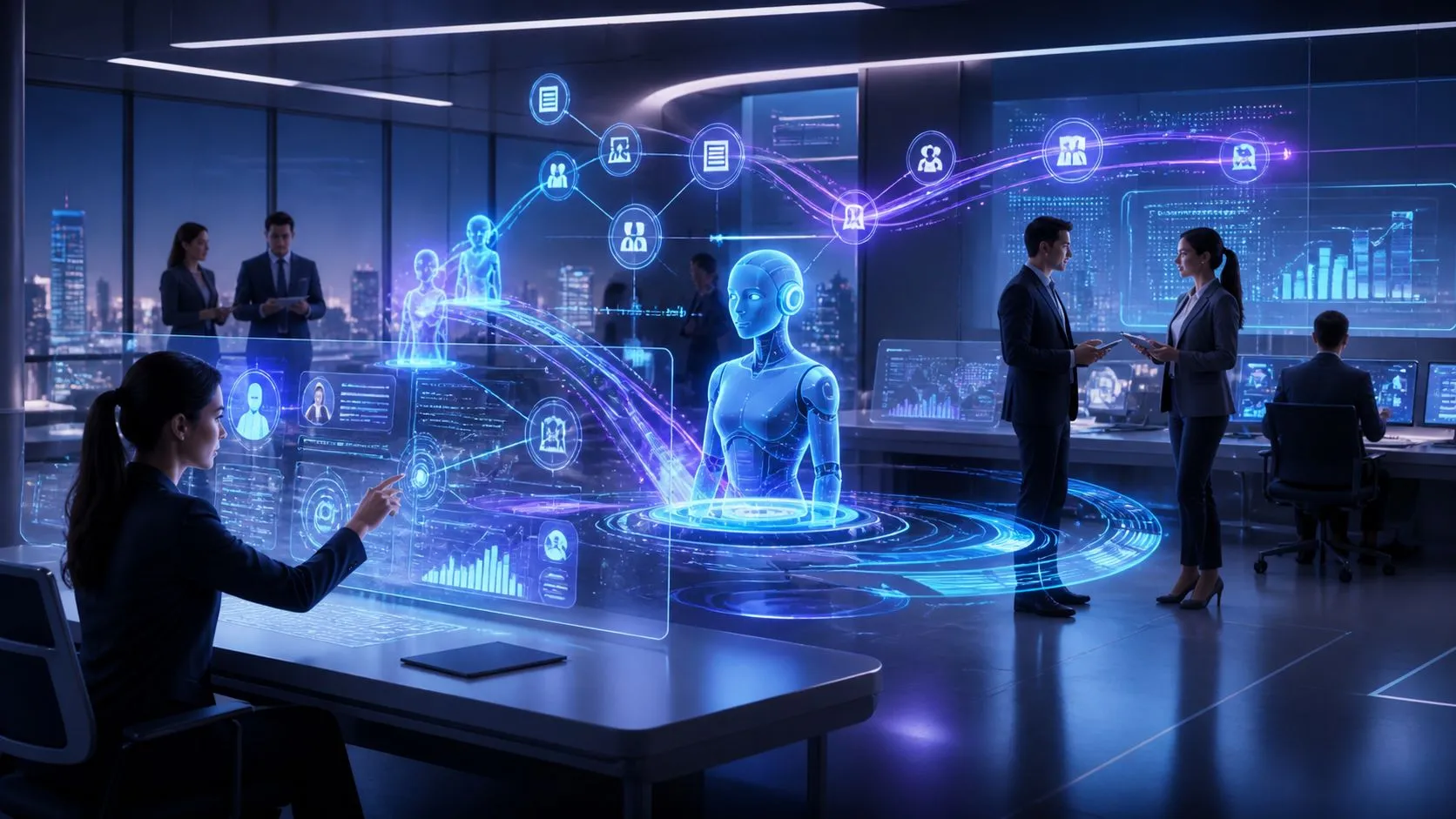
Automation is changing entire industries in mysterious ways. The more complex the industry, the more curious the result.
It’s fair to say that, at the present time, every business is relying on technology to an extent. However, some industries may evolve rapidly by applying automation, notably those that involve complex processes.
Construction Industry
Construction is a complex process, mildly put. With so many steps and processes to take care of simultaneously, it’s no wonder that new tech is a godsend.
Notable examples include:
LiDAR
LiDAR technology illuminates the target with laser light and measures the reflection with a sensor and is, as such, quite helpful with ranging. In addition, LiDAR produces high-resolution 3D images in real-time.
LiDAR technology has other uses as well including land classification, elevation modeling, urban assessment, structural flaw detection, and drone mapping, to name a few.
3-D Printing Houses
3-D printing technology is widely used even beyond construction since its benefits are more than obvious.
As for construction, 3-D printing can be used for printing houses, which is often cheaper than traditional construction.
This methodology still has to reach wider audiences, so if you run a construction business and want to innovate your procedures, you can start with 3-D printed houses.
BIM Software
BIM (building information modeling) software uses a combination of IoT (Internet of Things) and AR technologie, which makes it perfect for a range of complex construction tasks.
AR and AI Tools
AR and AI have found many uses across industries, construction not being the least significant. These technologies are capable of simplifying various tasks — the treat that leaves workers with more time for target tasks and stages.
One notable usage of AI is for streamlining facility maintenance. AI can operate all kinds of machines and stuff remotely while using sensors to navigate various tasks simultaneously.
This tech is known as the Internet of Things (IoT).
IoT sensors can be used for a variety of tasks, including:
Establishing baselines for asset performance indicators Determining upper and lower limits of asset performance Collecting utilization data Transmitting data to AI-empowered softwareThe IoT software compares current performance data with historical data, ensuring that assets are functioning properly. To top it off, IoT is reporting results to facility personnel.
Customer Service
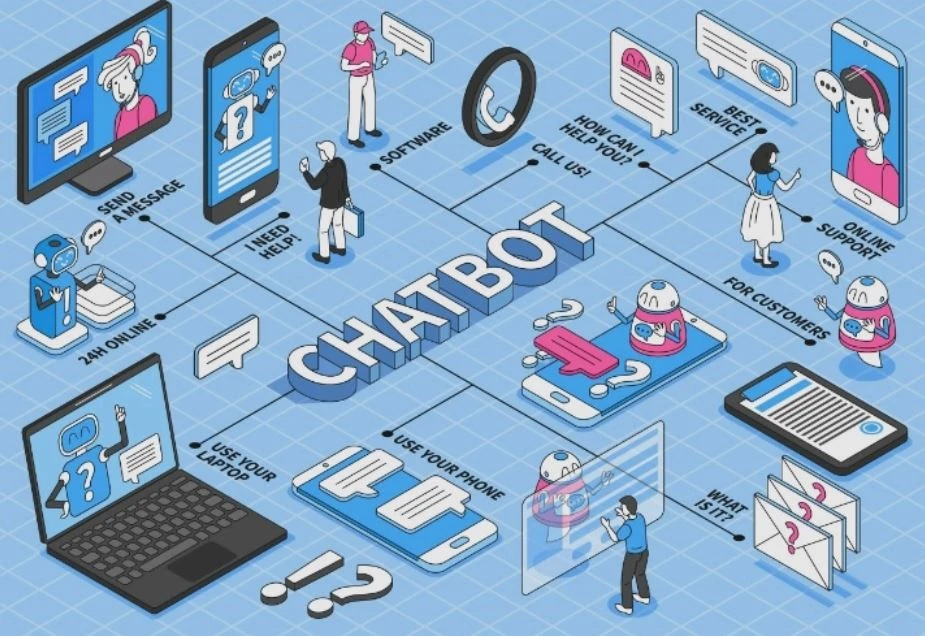
Automations for contact centers are rapidly becoming a standard in customer service.
With so many uses, it’s no wonder!
Contact center automation may find its best uses in the following aspects:
Automating processes Empowering employees Connecting with customers Driving continual improvementOn the matter of software choice, you should settle for the solution that delivers unified RPA and conversational AI capabilities. This will help you to optimize processes and streamline procedures fast and efficiently.
Speech analytics, also known as audio mining, identifies human speech and text and converts it into structured data that can be used for actionable insights. As such, it has multiple uses and the technology is yet to reach its full potential.
eCommerce
eCommerce has become a standard nowadays, and not without a good reason. With so many benefits it offers, more and more people are beginning to consider turning to online sales for a living.
Dropshipping, in particular, has changed the rules of the game. Coupled with the most obvious benefit of online sales — you don’t need a storage room! — it has empowered people everywhere to start earning on the go.
Learning
Quality learning opportunities are never a wasted effort. The fastest path to growth is learning and, especially, custom learning.
That’s why businesses are coming up with specific, targeted courses that aim to increase learners’ expertise in specific fields.
Energy and Utilities
Smart grid management is all the rage these days, and not without a good reason. Namely, it deploys real-time data analytics to optimize the generation, distribution, and consumption of energy.
Advanced metering infrastructure (AMI) collects data from smart meters, providing users with insights into energy usage.
The technology uses automated demand response programs to adjust power consumption during peak periods. These adjust adjusting thermostats and turn off non-essential appliances.
Predictive Maintenance
The integration of the Internet of Things (IoT) devices and sensors is well underway. These sensors continuously monitor the condition of equipment and detect anomalies to prevent issues. Real-time monitoring enables utilities to address potential issues before they get the chance to escalate.
Renewable Energy Integration
Renewable energy sources are being increasingly integrated into the power grid but there are many challenges to take care of.
Automated energy management systems (EMS) play a critical role in this regard. EMSs use advanced algorithms to predict renewable energy generation based on weather forecasts and historical data and optimize the dispatch of energy from renewable and conventional sources.
Into the Automated Future
These are some representative industries that can make use of automation but obviously, this is only the tip of the iceberg.
Technology has found its way into people’s everyday lives anyhow, so there’s no reason why businesses should be any different.






























Sign in to leave a comment.