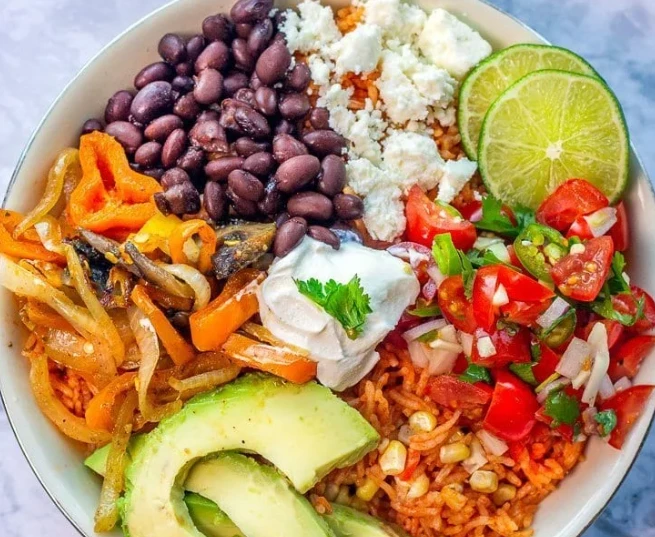

Rice bowls have been around for a long time and not without a good reason. The grain is both versatile and satisfying and soaks up any additional taste. This makes it perfect as a side dish but it can also be turned into a perfect main dish.
The idea of layering ingredients in a bowl has been around for centuries, especially where rice is involved. However, with globalization gaining momentum, the contemporary rice bowl can take various hides.
Rice can accommodate a wide range of ingredients, including proteins, vegetables, dressings, and sauces. Evidently, this means there are innumerable ways to create a new dish using rice.
Choosing the Right Ingredients
One of the most essential components is the rice itself. With so many different types of rice available, choosing the right one may get tricky. Understanding how to layer the ingredients and balance flavors is crucial.
The first step in creating a balanced rice bowl is to understand the role of the main ingredient. Rice serves as the base of the dish; it’s the ingredient that holds everything together. Different types of rice lend their own unique texture and flavor to the dish.
Perhaps the most commonly used variety in rice bowls is white rice. It’s soft, light, and has a neutral flavor, which makes it perfect for pairing with literally any ingredient. However, some people prefer brown rice because of its nutty flavor and higher fiber content. Brown rice retains its outer bran layer, which gives it a chewy texture.
Other types of rice have gained popularity in recent years. Jasmine rice is known for its aromatic fragrance and fluffy texture and is often used in Thai and Vietnamese rice bowls. It pairs well with grilled meats and vegetables. Basmati rice, with its long grains and delicate fragrance, is commonly used in Indian and Middle Eastern cuisine. Its unique taste pair perfectly with spiced meats, curry sauces, and yogurt-based dressings. There are also black- and red rice, both of which are rich in antioxidants and chewy.
Choosing the right type of rice is the first step to building tasty and healthy rice bowls. Whether you go for the soft, neutral taste of white rice or the nuttier flavor of brown rice, the rice serves as the foundation of the dish.
Layering the Bowl
Once the rice is ready, it’s time to build the layers. A good rice bowl isn’t about throwing ingredients together; it’s about brainstorming flavors, textures, and colors. Each ingredient should contribute without overwhelming the other ones. Start with a strong base and then layer on flavors that complement each other.
The next layer after the rice is usually protein. This can be grilled chicken, pork, beef, fish, tofu, tempeh, or beans. Keep in mind that it’s important to cook the protein in a way that adds depth of flavor. E.g., marinating or seasoning the protein before cooking can elevate its taste.
Vegetables are another essential element. The choice of vegetables can vary depending on the theme of the bowl. E.g., in an Asian-inspired rice bowl, you might include stir-fried vegetables such as bok choy, carrots, bell peppers, or broccoli.
If you’re looking for a Mediterranean twist, consider adding roasted or pickled vegetables like zucchini, eggplant, or tomatoes. For a lighter, more refreshing bowl, raw vegetables like cucumbers, shredded cabbage, or radishes can offer a crunch that contrasts nicely with the softness of the rice and protein.
For a rice bowl to be truly healthy, it’s important to include a variety of colors and textures. Think about adding leafy greens such as spinach, kale, or arugula. These provide essential vitamins and minerals and also bring vibrant colors to the bowl. Adding fresh herbs like cilantro, mint, or parsley can also brighten up the dish.
Once you’ve built your protein and vegetable layers, think about sauces and dressings. These elements tie the whole bowl together. For an Asian-inspired rice bowl, a soy-based sauce or sesame dressing might be perfect.
If you’re going for a Mediterranean-style rice bowl, tzatziki or lemon-olive oil dressing will work wonders. Keep in mind that the sauce should be flavorful but not overwhelming — just enough to complement the other ingredients without taking over the entire dish.
Balancing Textures
Texture plays a vital role in rice bowls. A perfect one has a balance of soft, crunchy, creamy, and chewy elements that come together in a harmonious way. This is why selecting the right ingredients is so important.
Rice itself provides a soft base, but adding different textures can elevate the experience. Toasted nuts or seeds can provide a crunchy contrast to the softness of the rice and vegetables. Consider adding toasted sesame seeds, roasted peanuts, or sunflower seeds. These small additions might seem simple, but they can make a big difference in terms of flavor and texture.
Another great element is crispy fried shallots or onions. These can be sprinkled on top of the rice bowl to add an unexpected crunch. For a lighter, healthier crunch, consider using thinly sliced radishes, crispy kale chips, or roasted chickpeas.
Textures can also be enhanced with the addition of creamy elements. Sliced avocado or a drizzle of creamy dressing can provide a smooth contrast to the crispy vegetables and protein. Avocado, in particular, is a great choice because it’s both creamy and packed with healthy fats that make the rice bowl more satisfying.
Even the rice itself can play a role in the overall texture. While white rice is fluffy and light, brown rice provides a chewier feel. Sticky rice can add a more cohesive texture to the bowl, while jasmine rice offers a delicate, aromatic quality that complements other ingredients.
Achieving the right balance of textures is key to making a rice bowl satisfying. Each bite should offer a different sensation. When everything works together in harmony, the result is a rice bowl that is both tasty and nutritional.
The Finishing Touch
Finally, no rice bowl is complete without some garnish. These are often the little details that elevate a dish from good to great. While they may seem like an afterthought, the right garnish can add color, flavor, and texture that take the rice bowl to the next level.
Chopped green onions, cilantro, or a sprinkle of sesame seeds are simple yet effective ways to add additional color. A few slices of fresh chili or a drizzle of hot sauce can bring a spicy kick that contrasts nicely with other ingredients. Fresh herbs or a squeeze of lime can also add a zesty finish that ties all the flavors together.
Presentation is also an important aspect of building a perfectly layered rice bowl. While the taste is the most important factor, the visual appeal of the dish can make a big difference. A well-arranged bowl with ingredients arranged in neat sections looks more appetizing. Try arranging ingredients in a visually pleasing manner, with each component occupying its own space in the bowl.
Overall, creating a rice bowl that is tasty and healthy requires attention to detail and an understanding of how different ingredients work together. The foundation starts with choosing the right type of rice, and from there, layering in proteins, vegetables, and sauces to achieve a balance of flavors and textures. The finishing touches, including garnishes and thoughtful presentation, bring the dish to life.




































Sign in to leave a comment.