

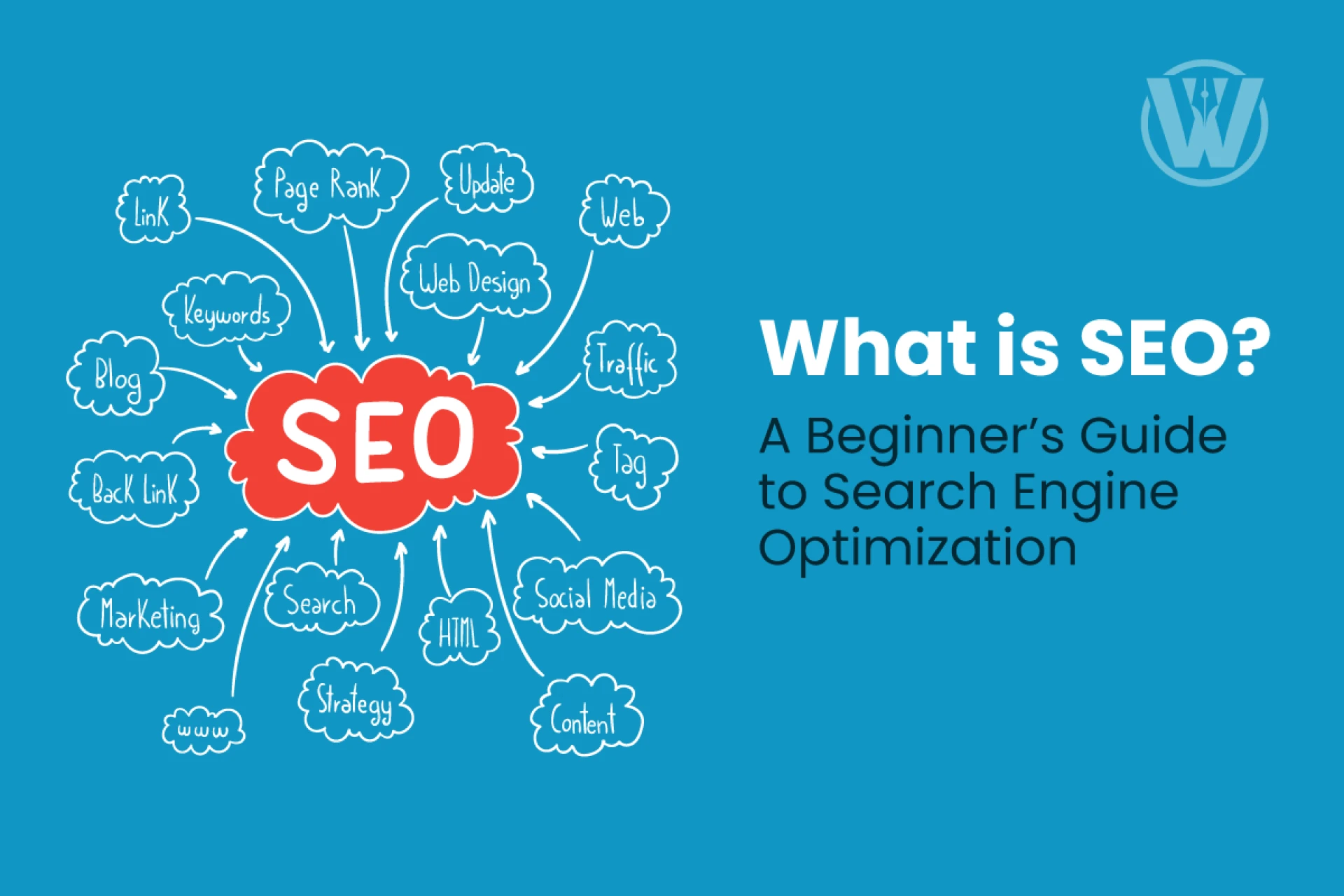
When it comes to optimizing your website for search engines, one of the key strategies is keyword research. By finding the right keywords, you can improve your website's visibility and attract more organic traffic. However, with so many keyword research tools available, which one should you choose? In this article, we'll explore the top keyword research tools and help you find the best one for your needs.
What is the best free keyword research tool?
If you're on a tight budget, there are several free keyword research tools that can still provide valuable insights:
AnswerThePublic: This unique tool generates keyword ideas in the form of questions that people are asking on the web. It's a great way to find long-tail keywords and content ideas.Keyword Sheeter (Again): We can't overlook Keyword Sheeter, which is not only free but also quite efficient at generating a wide range of keyword suggestions quickly.Ubersuggest: Ubersuggest, created by Neil Patel, offers a free version that provides keyword suggestions, search volume data, and keyword difficulty scores. It's user-friendly and suitable for beginners.Which is the best keyword research tool?
The title of "the best" keyword research tool can vary depending on your specific requirements. However, some tools consistently rank at the top of the list for their versatility and features.
Google Keyword Planner: This is a free tool offered by Google itself. It provides valuable insights into search volumes and competition for keywords. While primarily designed for advertisers, it's an excellent starting point for anyone looking to do keyword research.Semrush: Semrush is a comprehensive SEO tool that offers a powerful keyword research feature. It provides not only keyword suggestions but also competitive analysis, which can be invaluable for outranking your competitors.Ahrefs: Ahrefs is another all-in-one SEO tool that excels in keyword research. It offers an extensive keyword database and provides accurate data on search volumes, keyword difficulty, and more.Which keyword tool is most accurate?
Keyword accuracy is crucial in making informed decisions about your SEO strategy. The accuracy of a keyword research tool depends on various factors, including the data sources it uses and its algorithms. Among the top tools, Ahrefs and Semrush are often praised for their accuracy. These tools use large databases and sophisticated algorithms to provide reliable data.
In conclusion
Choosing the right keyword research tool depends on your specific needs and budget. Google Keyword Planner and free tools like Keyword Sheeter are excellent for beginners and those on a budget. For more comprehensive features and accuracy, consider investing in tools like Semrush, Ahrefs, or Moz Keyword Explorer. Remember that the best tool for you is the one that helps you discover the most relevant keywords for your website and target audience. Happy keyword hunting!
I hope you find this article informative and helpful for your SEO efforts. If you have any further questions or need additional information, please feel free to ask.
FAQ’s:
Q1: What is keyword research, and why is it important for SEO?
A1: Keyword research is the process of identifying and analyzing the specific words and phrases (keywords) that people use when searching on search engines. It's crucial for SEO because it helps you understand what your target audience is searching for, allowing you to optimize your website's content and improve its visibility in search engine results pages (SERPs).
Q2: Are there any free keyword research tools available?
A2: Yes, there are several free keyword research tools available, such as Google Keyword Planner, Keyword Sheeter, Ubersuggest, and AnswerThePublic. These tools can provide valuable keyword insights without requiring a subscription or payment.
Q3: What features should I look for in a keyword research tool?
A3: When choosing a keyword research tool, consider features like search volume data, keyword difficulty scores, competitive analysis, and the ability to generate long-tail keyword suggestions. A comprehensive tool should also offer insights into trends and provide data on related keywords.
Q4: Which tool is best for competitive analysis in keyword research?
A4: Tools like Semrush and Ahrefs excel in competitive analysis. They provide data on your competitors' keywords, rankings, and backlinks, allowing you to identify opportunities and weaknesses in your SEO strategy.
Q5: How often should I perform keyword research for my website?
A5: Keyword research is an ongoing process. It's recommended to perform it regularly, especially when you create new content, update existing content, or want to stay current with changing search trends. Quarterly or semi-annual reviews of your keyword strategy can be beneficial.
Q6: Can I rely solely on one keyword research tool, or should I use multiple tools?
A6: While you can rely on a single keyword research tool, using multiple tools can provide a more comprehensive view of keyword opportunities and data accuracy. Different tools may offer unique features and insights, so combining them can enhance your keyword research efforts.
Q7: How do I determine the keyword difficulty of a specific keyword?
A7: Keyword difficulty is typically measured on a scale from 0 to 100, with higher scores indicating greater competition. Tools like Ahrefs, Semrush, and Moz Keyword Explorer provide keyword difficulty scores based on factors like the number of competing pages and the quality of backlinks. Choose a tool that suits your needs and budget to assess keyword difficulty effectively.
Q8: Can I use keyword research tools for content ideas beyond SEO?
A8: Absolutely! Keyword research tools can be valuable for content marketing beyond SEO. They can help you identify popular topics, questions, and trends within your niche, providing inspiration for blog posts, articles, videos, and other forms of content that resonate with your audience.
























Sign in to leave a comment.