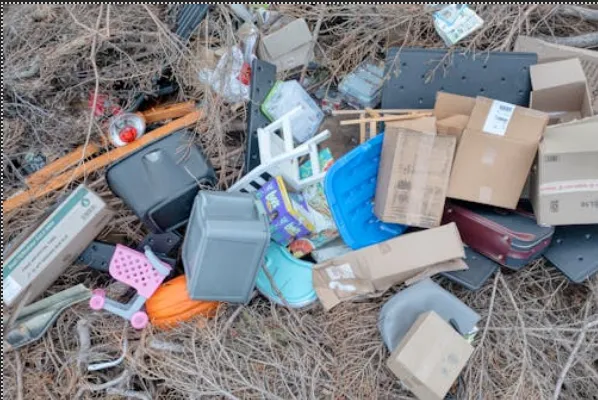

Cleanup projects often seem simple until the final cost tells a different story. Many people expect a fixed price when renting a trailer, but the final cost can vary depending on what gets loaded.
That’s because extra dumping fees come out of nowhere. These charges depend more on material type than on volume, and even a few overlooked items can quickly raise costs. Understanding this early helps avoid surprises and keeps spending under control.
Key Takeaways
- Certain materials increase costs due to weight, handling, or disposal rules.
- A single item can affect the pricing of the entire load.
- Bulky and dense waste behaves differently at disposal sites.
- Planning before loading helps prevent unexpected charges.
- Clear understanding of material types keeps costs predictable.
Items That Are Most Likely to Add Extra Dumping Fees
When loading a waste-hauling trailer, what goes inside matters more than how full it appears. Some materials require extra steps, which is why they often result in additional cost.
Heavy Materials
Dense debris quickly adds to the cost.
What you should know:
- Concrete, bricks, dirt, and shingles add weight fast.
- Small amounts can exceed disposal limits.
- Often require separate handling due to density.
Even a light-looking load can cross weight limits if heavy materials are included.
Appliances and Electronics
These items are not as simple as they seem.
Here’s why it matters:
- Refrigerators/AC units contain refrigerants.
- Electronics require safe recycling methods.
- Many facilities do not accept them with general waste.
Because of this, they often result in extra dumping fees.
Hazardous or Restricted Items
Some materials are flagged immediately at disposal sites.
Keep in mind:
- Paint, oils, batteries, and chemicals need special disposal.
- Safety rules control how they are handled.
- Some items are rejected if mixed in a load.
Tires
Tires are treated as a separate category.
This is mainly because:
- Cannot be dumped like regular waste.
- Recycling is required in most areas.
- Charges are applied per tire, leading to extra dumping fees.
Mattresses and Furniture
Bulky waste behaves differently during processing.
Here is why:
- Mattresses resist compression.
- Upholstered furniture slows processing.
- Often charged per item instead of by weight.
Their structure increases handling effort and cost.
How to Avoid Surprise Charges Before You Load
Most pricing issues start before the trailer is full. How you prepare and load materials directly affects cost.
Focus on these practical steps before and during loading:
- Walk through the cleanup space first. Group items by type before loading to prevent mixing heavy and general waste.
- Remove problem items early. Set aside tires, paint, or electronics upfront to avoid hidden extra dumping fees later.
- Watch weight as you load. Heavy materials add up fast, so pause and adjust before limits are crossed.
- Check how pricing works. Know if charges depend on weight, item type, or both.
- Avoid last-minute add-ons. Extra items at the end can push your load into a higher cost range.
- Ask direct questions before booking. Confirm which materials cost extra with your dump trailer company.
- Keep waste types separate in mind. Treat heavy, bulky, and regular waste differently when loading.
Even placement matters. A tight trailer parking lot can lead to rushed loading and costly mistakes.
Conclusion
Unexpected cleanup costs are usually not random. They come down to what you load and how you manage it. Knowing which materials lead to extra dumping fees helps you stay in control of your budget. Simple steps like sorting items, weighing items, and asking clear questions can make a real difference. A little planning before loading can prevent last-minute charges and keep everything on track.
FAQs
- Why do certain materials lead to extra dumping fees?
Some items require special handling, recycling, or safety measures. These added steps increase processing costs, leading to additional dumping fees.
- Can one item really change the total cost?
Yes, even a single restricted or heavy item can affect the pricing of the entire load at disposal sites.
- Are heavy materials always more expensive to dump?
In most cases, yes. Materials like concrete or dirt are charged based on weight and can quickly exceed limits.
- What is the easiest way to avoid extra dumping fees?
Sorting materials before loading and confirming pricing rules with your provider helps prevent unexpected charges.
- Do all locations charge the same dumping fees?
No, rules and pricing vary by area. Local regulations and disposal methods play a big role in how fees are calculated.


























Sign in to leave a comment.