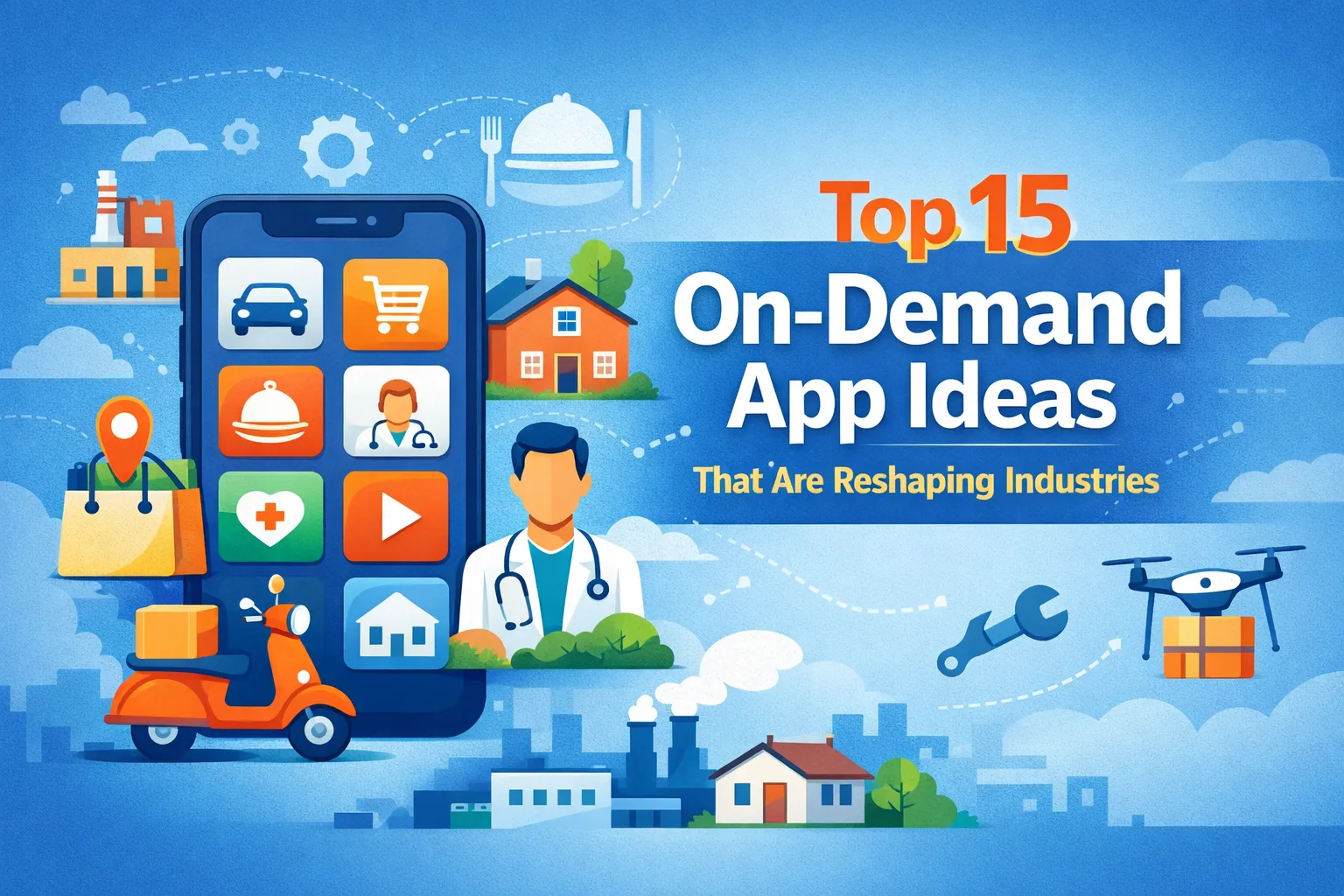

The digital economy is evolving faster than ever, and on-demand applications sit at the very heart of that transformation. From ordering dinner to booking a doctor's appointment, consumers now expect services to arrive at the tap of a button. Businesses that recognize this shift and invest in smart, scalable solutions are the ones pulling ahead. Whether you're an entrepreneur exploring a new venture or a business owner looking to modernize, this list of 15 on-demand app ideas offers a window into where industries are heading — and where opportunity is still wide open.
1. Food and Grocery Delivery
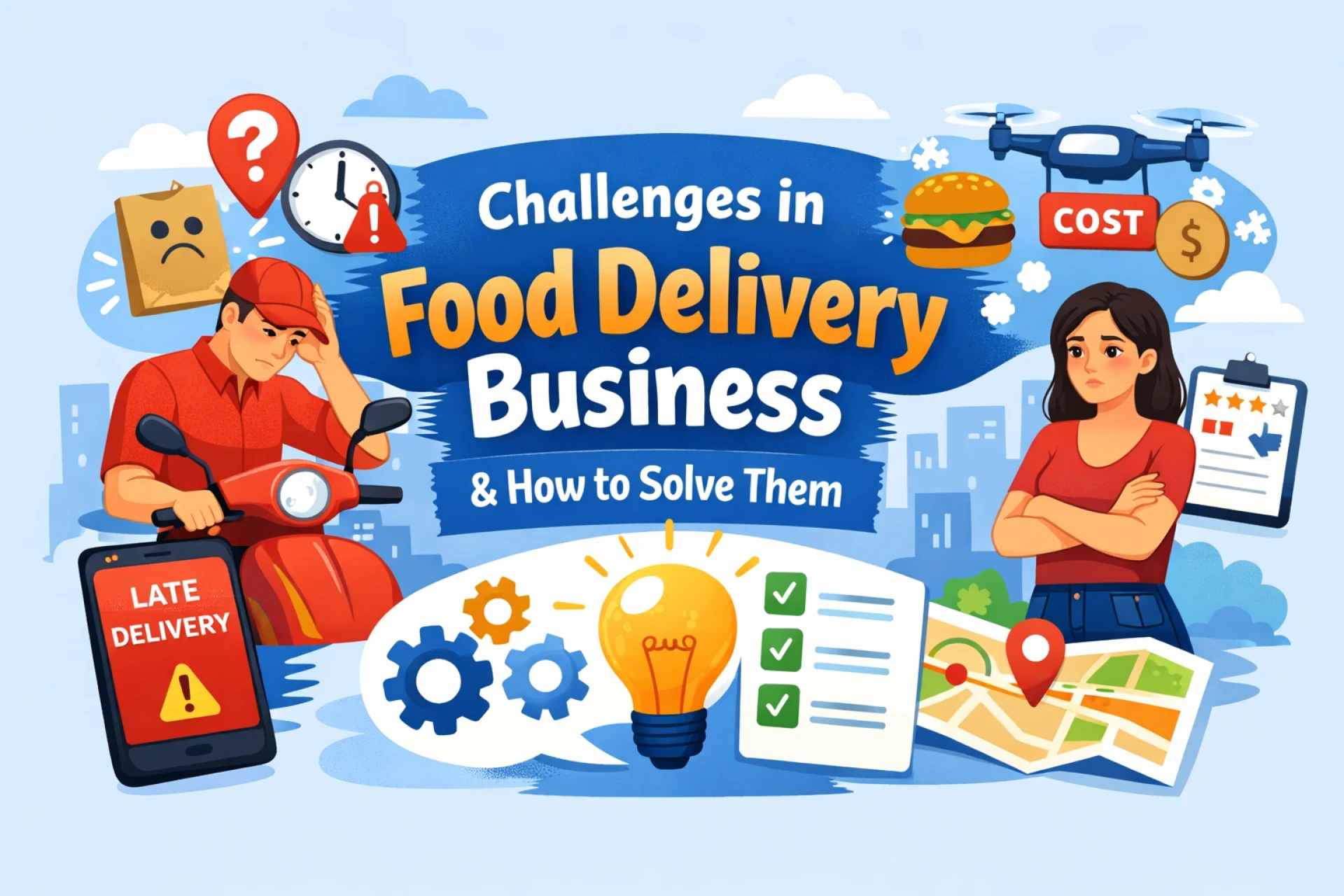
Food delivery remains the poster child of the on-demand economy. Apps like DoorDash, Uber Eats, and Instacart have trained consumers to expect meals and groceries within the hour. If you're building in this space, partnering with a reliable food delivery app development company is critical. The technical requirements — real-time GPS tracking, dynamic pricing, multi-restaurant ordering, and driver management — demand expertise that goes well beyond basic app development.
2. Healthcare and Telemedicine
Remote consultations, on-demand prescriptions, and at-home diagnostics are transforming how people access medical care. Telemedicine apps reduce wait times, lower costs, and bring specialist expertise to rural communities. Post-pandemic adoption has made this one of the fastest-growing segments in digital health.
3. Home Services and Repairs
Plumbing, electrical work, cleaning, and handyman services are all migrating onto on-demand platforms. Apps like TaskRabbit and Angi have demonstrated massive demand for vetted, bookable home service professionals. The category continues to expand into niche areas like appliance repair and smart home installation.
4. Ride-Hailing and Carpooling
Urban mobility has been permanently changed by apps like Uber and Lyft. But the space is far from saturated. Niche ride-hailing apps for specific demographics — seniors, school children, corporate commuters — are gaining traction in markets that mainstream players underserve.
5. Personal Fitness and Wellness
On-demand fitness connects users with personal trainers, yoga instructors, and wellness coaches either at home or online. Apps that offer live classes, AI-personalized workout plans, and wearable integrations are leading the charge in the health-conscious consumer market.
6. Beauty and Personal Care
From haircuts to manicures to skincare treatments, beauty services are going mobile. On-demand beauty apps let users book certified professionals for in-home appointments. The model works especially well in dense urban markets and has seen strong repeat-usage rates.
7. Laundry and Dry Cleaning
Laundry-as-a-service is one of the more quietly successful on-demand categories. Apps that manage pickup, washing, and delivery within 24–48 hours are solving a genuine pain point for busy professionals and urban residents without in-unit washers.
8. Pet Care and Veterinary Services
Pet ownership surged during the pandemic and hasn't retreated. On-demand apps now offer dog walking, pet sitting, grooming, and even at-home vet visits. This is a high-loyalty category — pet owners who find a service they trust tend to stick with it.
9. Tutoring and Online Education
EdTech has exploded into an on-demand model, connecting students with subject-matter tutors, test-prep coaches, and language instructors on flexible schedules. Platforms that support live video, homework help, and progress tracking are finding strong markets among K–12 families and adult learners alike.
10. Legal and Financial Consulting
Professional advisory services are transitioning online. On-demand apps that connect users with attorneys for contract reviews, or financial advisors for investment guidance, are opening access to services that were once gated behind expensive retainers and long wait times. This is an underserved category with high willingness to pay.
11. Pharmacy and Medication Delivery
Medication delivery apps let users upload prescriptions, consult pharmacists, and receive medications at their doorstep. As healthcare continues its digital migration, pharmacy delivery is becoming a key last-mile component of broader telemedicine platforms.
12. Alcohol and Specialty Beverage Delivery
On-demand alcohol delivery, where legally permitted, has become a significant market. Apps that offer curated wine selections, craft beer subscriptions, or cocktail ingredient kits deliver a premium experience that goes beyond simple convenience.
13. Logistics and Freight
B2B on-demand logistics is reshaping supply chains. Apps that connect shippers with available truck capacity in real time — often called "Uber for freight" — are cutting costs and idle time for carriers and businesses alike. This is a high-value, high-complexity category requiring sophisticated matching algorithms.
14. Event Planning and Staffing
On-demand platforms for event professionals — photographers, caterers, venue managers, bartenders — are growing as both individuals and corporations look for flexible staffing solutions. The market spans everything from intimate birthday parties to large corporate conferences.
15. Mental Health and Therapy
Accessible, stigma-reduced mental health support is one of the most impactful on-demand categories to emerge in recent years. Apps connecting users with licensed therapists, counselors, and psychiatrists on short notice are meeting a significant and growing need. Subscription-based models have proven particularly sticky in this space.
What Makes a Successful On-Demand App?
Across all of these categories, the apps that win share common traits: seamless onboarding, real-time responsiveness, transparent pricing, reliable service provider networks, and intuitive design. Building these features correctly from the start requires working with the right technical partners.
Collaborating with an experienced on demand app development company gives startups and established businesses a significant advantage. These teams understand the architecture behind scalable matching engines, payment systems, push notifications, and location services — the building blocks every on-demand platform depends on.
Similarly, if your entry point is in food or grocery delivery, a specialized food delivery app development company brings domain-specific knowledge about order management flows, restaurant integrations, and delivery optimization that general-purpose developers often lack.
Final Thoughts
The on-demand economy is not a trend — it's a fundamental shift in consumer expectations. The 15 categories above represent proven demand and real whitespace for new entrants. The question isn't whether to build, but where to build and with whom. Choose your niche with data, validate it with speed, and build it with partners who understand the stakes. The next great on-demand platform is still waiting to be made.
























Sign in to leave a comment.