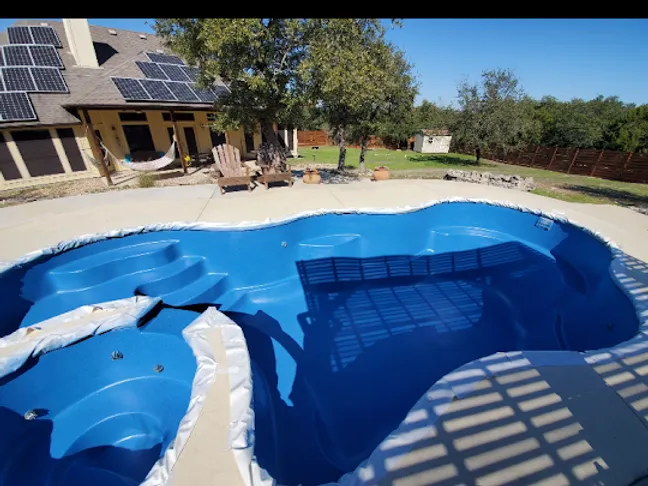

If you own a pool in South Carolina, you already know it takes a beating. Between coastal humidity, salt air, intense sun, and heavy use, pool surfaces here wear down faster than in many other regions.
Over time, even a well-built pool starts showing clear signs of pool surface damage. What most homeowners do not realize is that many resurfacing problems are preventable. The real issue is not just aging. It is poor decisions, wrong materials, or hiring inexperienced contractors.
This guide will walk you through the most common pool resurfacing problems and how to avoid costly mistakes, especially if you are located in Charleston, Myrtle Beach, Hilton Head, Columbia, or Greenville.
Why Pool Surfaces Fail in South Carolina
South Carolina pools face a unique combination of environmental stress. High UV exposure weakens surfaces, while humidity and moisture accelerate deterioration. In coastal areas like Charleston and Hilton Head, salt and mineral content in the air and water also contribute to faster wear.
On top of that, pools in vacation rentals and Airbnb properties experience heavy usage, which increases the rate of damage. All of these factors combined make regular pool renovation and resurfacing more important than most homeowners expect.
Cracked Pool Surface
A cracked pool surface is one of the most common issues pool owners face. These cracks may start as small hairline fractures but can quickly develop into deeper structural problems.
Cracks usually occur due to ground movement, poor initial installation, or aging materials. Over time, traditional plaster weakens and becomes more prone to breaking under pressure.
Ignoring cracks can lead to water leaks, higher repair costs, and even structural damage. To avoid this, it is important to choose durable resurfacing materials and ensure proper preparation before applying any new coating. Working with professionals who specialize in gunite pool repair is essential for long-term results.
Rough and Uncomfortable Pool Surface
If your pool feels rough under your feet, it is a clear sign that the surface is deteriorating. Many homeowners describe it as a sandpaper-like texture that makes swimming uncomfortable.
This problem often occurs when plaster wears down or when water chemistry is not properly maintained. Poor resurfacing techniques can also leave the surface uneven and abrasive.
A smooth finish is not just about comfort. It also reflects the quality of the resurfacing job. To avoid this issue, invest in modern pool refinishing solutions that create a long-lasting, smooth surface. Proper water balance after resurfacing also plays a major role in maintaining that finish.
Stains and Discoloration
Stains and discoloration can make even a structurally sound pool look old and poorly maintained. You may notice brown, green, or black spots, or uneven fading across the surface.
These issues are usually caused by metal content in the water, algae buildup, or porous plaster absorbing chemicals and minerals. In areas like Myrtle Beach and Hilton Head, this problem is more common due to environmental exposure.
To prevent staining, it is important to choose non-porous resurfacing materials that resist absorption. Regular water testing and maintenance will also help keep your pool looking clean and consistent in color.
Peeling and Flaking Surfaces
Peeling or flaking, also known as delamination, is a serious resurfacing failure. This happens when the new surface does not properly bond with the existing structure.
Common causes include poor surface preparation, incorrect application methods, or low-quality materials. Once peeling begins, the only real solution is a full resurfacing job again, which increases your overall cost.
To avoid this mistake, always work with experienced professionals who follow proper preparation and installation processes. Cutting corners during resurfacing almost always leads to bigger problems later.
Frequent Repairs After Resurfacing
One of the most frustrating situations for pool owners is needing repairs shortly after resurfacing. Issues like small cracks, stains, or surface wear returning within a few years indicate that something went wrong during the process.
This usually happens when the wrong materials are used or when environmental factors are not considered. South Carolina’s climate requires solutions that can handle heat, humidity, and chemical exposure.
Instead of choosing the cheapest option, focus on long-term performance. A properly done pool resurfacing job should last many years without constant repairs.
Choosing the Wrong Pool Surface Material
Many homeowners still choose traditional plaster because it appears to be more affordable. However, this decision often leads to higher maintenance costs and shorter lifespan.
Plaster is more porous, which makes it vulnerable to stains, chemical damage, and faster wear. While the upfront cost may be lower, the long-term expense is usually higher due to frequent repairs and earlier replacement.
Modern resurfacing options offer better durability, resistance to environmental factors, and lower maintenance. When evaluating pool resurfacing cost in South Carolina, it is important to consider long-term value rather than just initial pricing.
DIY Pool Resurfacing Attempts
Some homeowners attempt to handle resurfacing themselves to save money. Unfortunately, this often leads to poor results.
Pool resurfacing requires specialized equipment, proper surface preparation, and precise application techniques. Without these, the new surface may not bond correctly, leading to early failure.
In most cases, DIY resurfacing ends up costing more due to the need for professional correction. It is always better to rely on experienced contractors who understand the complexities of swimming pool repair and resurfacing.
Ignoring Early Warning Signs
Small issues like minor cracks, slight discoloration, or rough patches are often ignored. Many homeowners assume these are not serious problems.
However, these early signs usually indicate underlying damage that will worsen over time. What starts as a small repair can quickly turn into a full resurfacing project if not addressed early.
Regular inspections and timely repairs can significantly extend the life of your pool surface and reduce overall costs.
How to Choose the Right Pool Resurfacing Contractor
Avoiding resurfacing problems is not just about materials. Choosing the right contractor is equally important.
Look for professionals who have experience working in South Carolina’s coastal conditions. They should specialize in pool resurfacing and understand how different materials perform in this environment.
Ask for before and after examples, and make sure they explain the process clearly. You should also consider services like pool inspection and structural repair before resurfacing begins.
Long Term Value Over Short Term Savings
One of the biggest mistakes pool owners make is focusing only on upfront cost. A cheaper resurfacing job may seem attractive, but it often leads to repeated repairs and higher maintenance expenses.
A high-quality resurfacing solution provides better durability, improved appearance, and lower long-term costs. For property managers and Airbnb owners, this also means better guest experience and higher satisfaction.
Investing in the right solution from the start saves both time and money in the long run.
FAQ Section
How often should a pool be resurfaced
Most pools need resurfacing every 8 to 15 years depending on the material and maintenance. In South Carolina, harsh weather conditions can shorten this timeline if lower-quality materials are used.
What is the best pool surface for South Carolina weather
Non-porous and UV-resistant coatings are ideal. They perform better in heat, humidity, and coastal environments compared to traditional plaster.
How long does resurfacing last
A high-quality resurfacing job can last 10 years or more. The lifespan depends on the material, installation quality, and maintenance routine.
Can I swim immediately after resurfacing
This depends on the material used. Some modern coatings allow quicker use, while traditional plaster requires a longer curing period before swimming.
How much does pool resurfacing cost in South Carolina
Costs vary based on pool size, condition, and material. It is best to evaluate long-term durability and maintenance savings rather than focusing only on initial cost.
Pool resurfacing is not just about improving appearance. It is about protecting your investment and avoiding recurring problems.
Most resurfacing issues come down to poor material choices, inexperienced contractors, or ignoring early warning signs. By making informed decisions, you can extend the life of your pool, reduce maintenance, and avoid unnecessary expenses.
For pool owners in Charleston, Myrtle Beach, Hilton Head, Columbia, and across South Carolina, choosing the right resurfacing approach makes all the difference.


























Sign in to leave a comment.