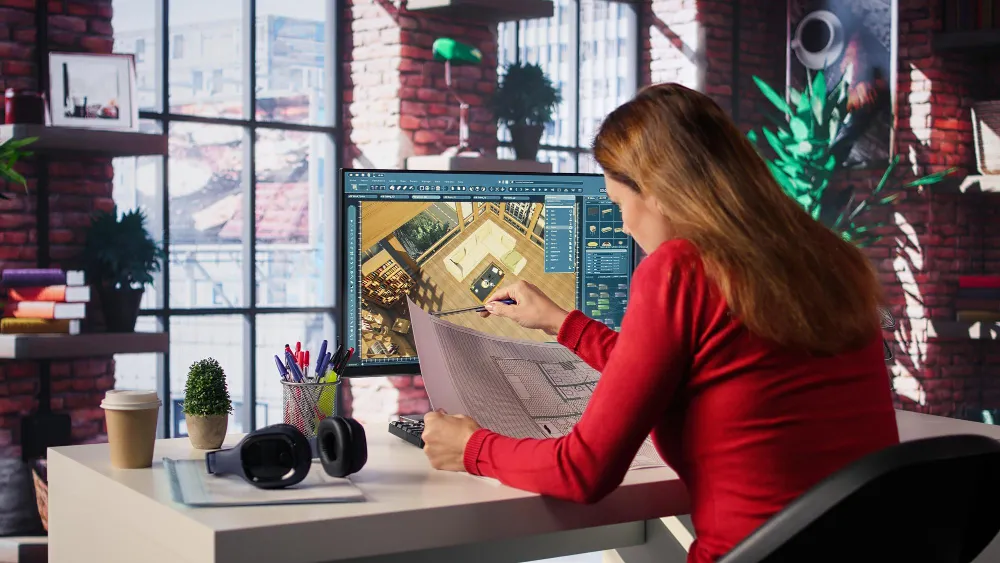

Designing or renovating a home is an exciting journey, but it can also feel overwhelming without the right guidance. That’s where professional interior designers come in. They bring expertise, creativity, and structure to your ideas, turning your vision into a functional and beautiful space. However, choosing the right professional is crucial to the success of your project. With so many interior home designers available, understanding the qualities that set the best apart will help you make a confident decision.
1. Strong Communication Skills
One of the most important qualities in a professional interior designer is effective communication. A great designer listens carefully to your needs, preferences, and lifestyle requirements. They ask the right questions and ensure they fully understand your vision before starting the project. Clear communication also helps avoid misunderstandings, keeps the project on track, and ensures that your expectations are met at every stage.
Interior design is a collaborative process, and you should feel comfortable expressing your ideas and concerns. The best interior home designers maintain open lines of communication, provide regular updates, and are responsive to your feedback.
2. Creativity and Vision
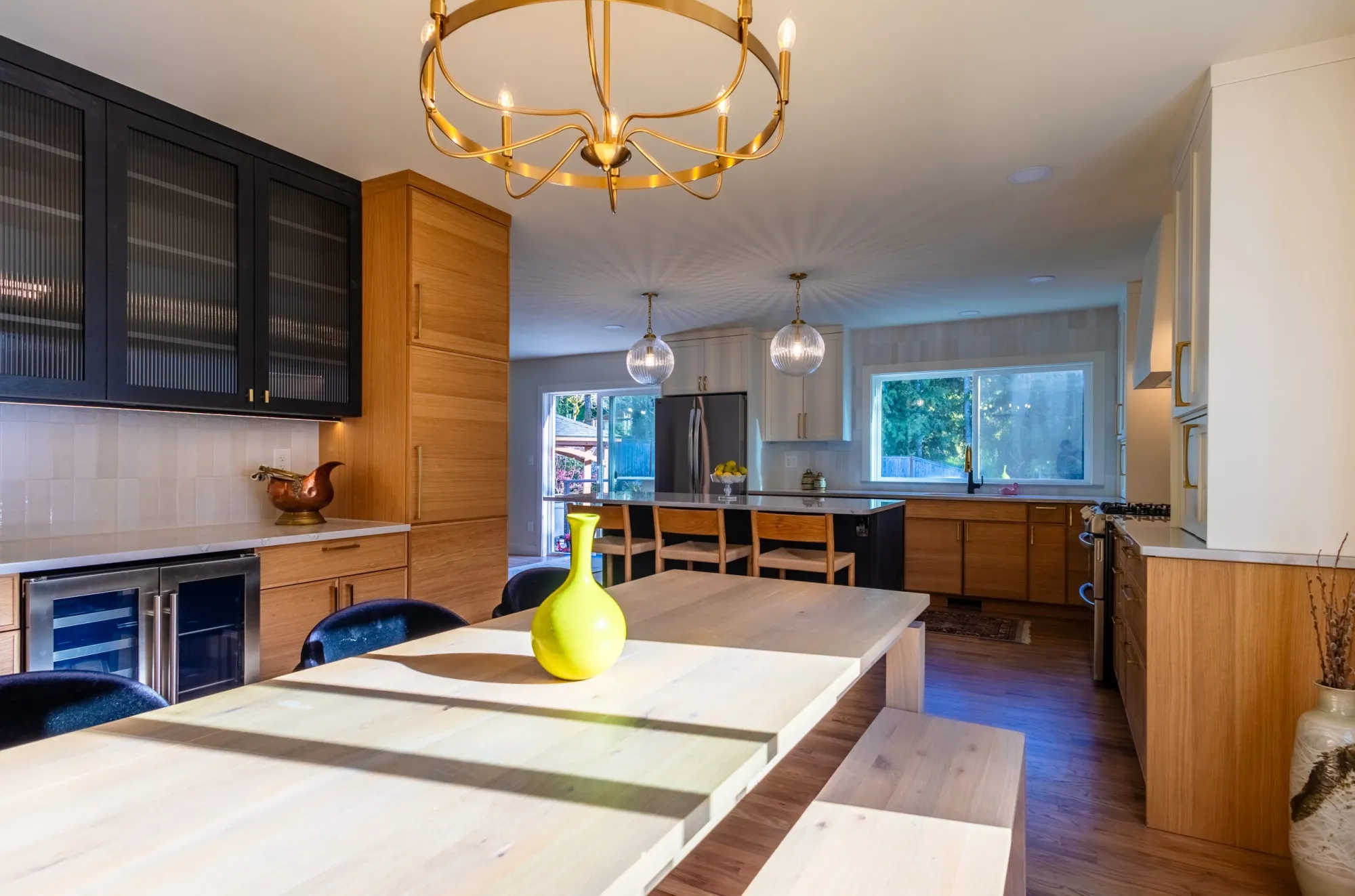
Creativity lies at the heart of interior design. A skilled designer should be able to think beyond the obvious and present innovative ideas that enhance your space. They can visualize the potential of a room and bring together colors, textures, furniture, and lighting in a way that feels cohesive and unique.
A strong sense of vision also means the designer can see the “big picture” while paying attention to small details. Whether you’re aiming for a modern, minimalist look or a cozy, traditional feel, the designer should be able to translate your style into a well-executed design plan.
3. Attention to Detail
Great design is all about the details. From selecting the right materials to ensuring proper spacing and alignment, attention to detail can make a significant difference in the final outcome. A professional interior designer carefully considers every element, including finishes, fixtures, and décor, to create a polished and harmonious space.
This quality also extends to project execution. Designers who are detail-oriented are more likely to catch potential issues early and ensure that every aspect of the design is implemented correctly.
4. Technical Knowledge and Expertise
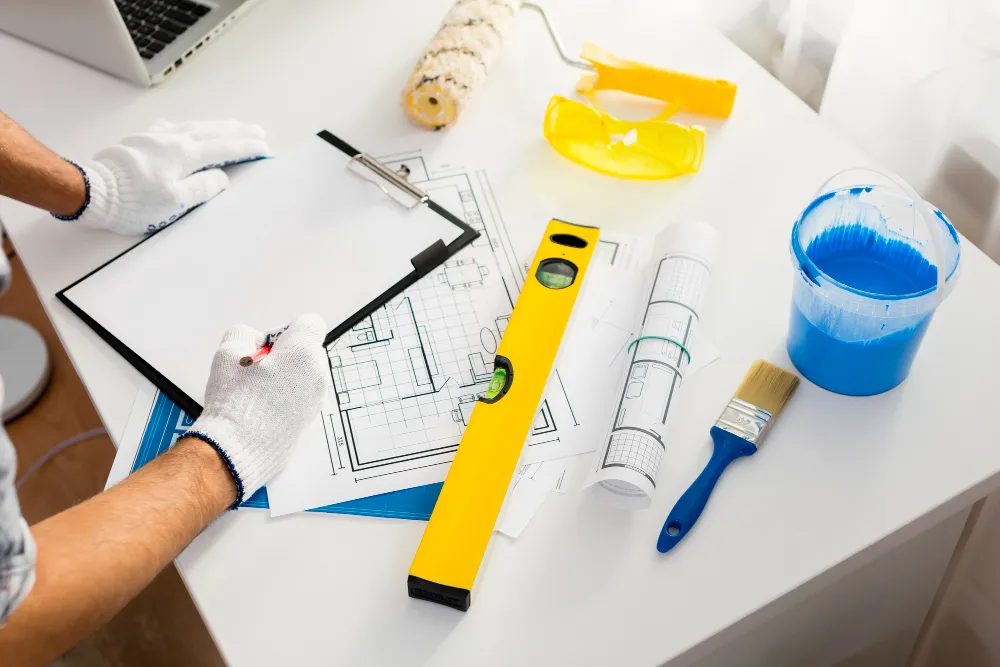
Interior design is not just about aesthetics—it also involves technical understanding. A professional designer should be knowledgeable about space planning, building codes, materials, lighting design, and structural considerations. This expertise ensures that your design is not only visually appealing but also safe and functional.
Experienced interior home designers often work closely with architects, contractors, and other professionals. Their technical knowledge allows them to coordinate effectively and ensure that all aspects of the project come together seamlessly.
5. Problem-Solving Ability
Every design project comes with its own set of challenges. Whether it’s working within a limited budget, dealing with unexpected structural issues, or finding creative solutions for small spaces, a good interior designer must be an effective problem solver.
Instead of seeing obstacles as setbacks, they view them as opportunities to innovate. This ability to adapt and find solutions ensures that your project continues to move forward smoothly, even when unexpected issues arise.
6. Strong Portfolio and Experience
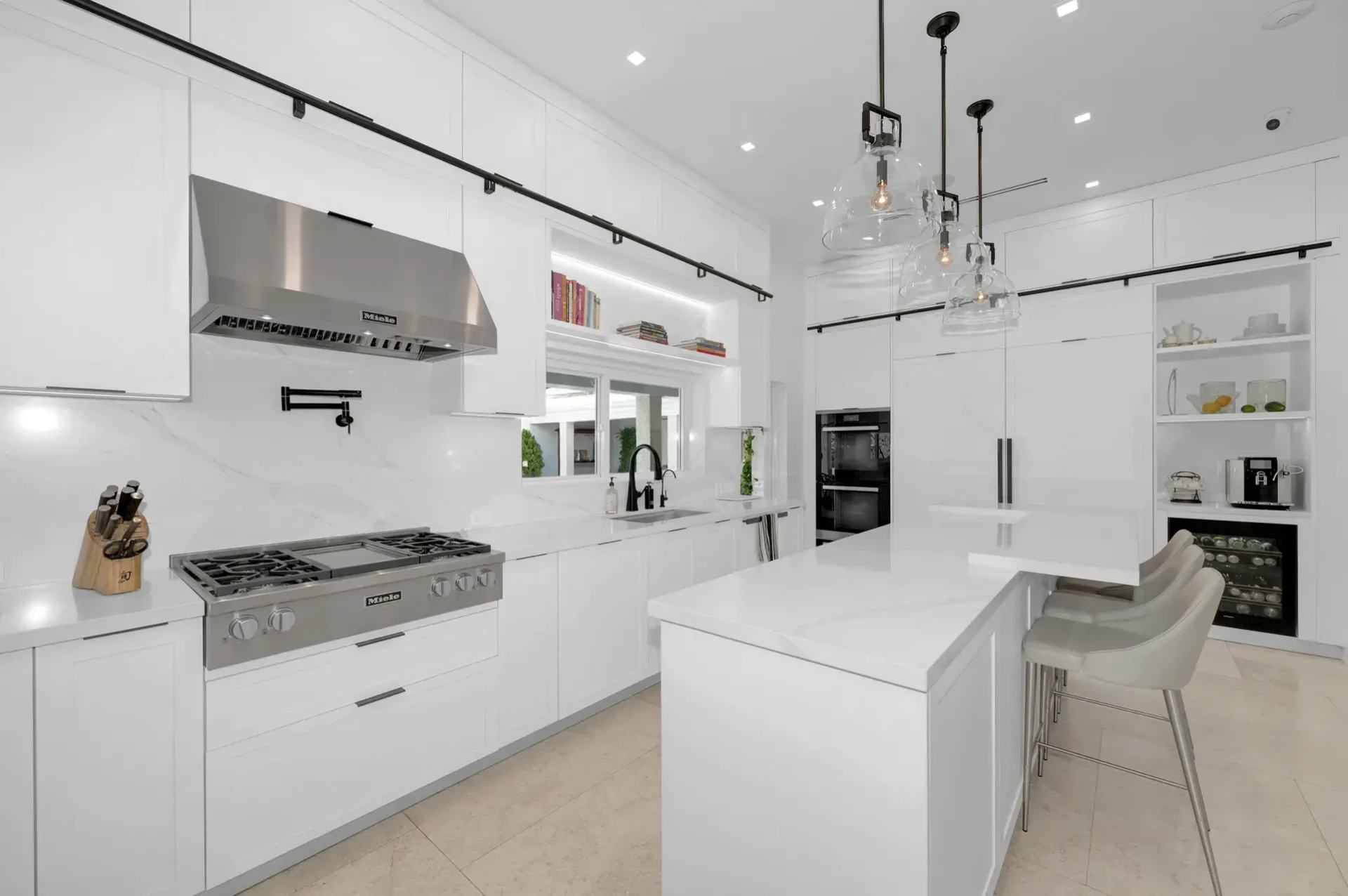
A designer’s portfolio is a reflection of their style, skills, and experience. Reviewing past projects can give you valuable insight into their capabilities and whether their design approach aligns with your preferences.
Look for diversity in their work, as well as consistency in quality. Experienced interior home designers will have a portfolio that showcases a range of styles and project types, demonstrating their ability to adapt to different client needs.
7. Time Management and Organization
Interior design projects often involve multiple tasks, timelines, and stakeholders. A professional designer must be highly organized and capable of managing their time effectively. This includes creating realistic schedules, coordinating with suppliers and contractors, and ensuring that deadlines are met.
Good time management minimizes delays and keeps the project running efficiently. It also reflects the designer’s professionalism and commitment to delivering results on time.
8. Budget Management Skills
Staying within budget is a major concern for most homeowners. A skilled interior designer understands how to allocate resources wisely and make the most of your budget without compromising on quality.
They can recommend cost-effective alternatives, prioritize spending, and help you avoid unnecessary expenses. Transparent pricing and clear cost breakdowns are also signs of a trustworthy designer.
9. Adaptability and Flexibility
No two clients are the same, and neither are their design preferences. A professional interior designer should be adaptable and willing to tailor their approach to suit your needs. They should respect your ideas while offering expert guidance to enhance them.
Flexibility is also important when dealing with changes during the project. Whether it’s a shift in design direction or unforeseen challenges, the ability to adapt ensures a smoother experience.
10. Passion for Design
Passion is what drives great designers to go above and beyond. It’s reflected in their enthusiasm, dedication, and commitment to delivering exceptional results. A passionate designer takes pride in their work and strives to create spaces that truly resonate with their clients.
When working with interior home designers who are genuinely passionate, you’re more likely to experience a collaborative and enjoyable design process.
11. Professionalism and Reliability
Professionalism is a key quality that should never be overlooked. This includes being punctual, respectful, and transparent in all interactions. A reliable designer follows through on commitments, meets deadlines, and maintains a high standard of work throughout the project.
Trust is essential in any professional relationship, and choosing a designer who demonstrates integrity and accountability will give you peace of mind.
12. Strong Network and Resources
Experienced interior designers often have a well-established network of suppliers, contractors, and artisans. This network allows them to source high-quality materials, unique furnishings, and skilled professionals for your project.
Having access to these resources can significantly enhance the quality of your design and streamline the execution process.
Final Thoughts
Choosing the right interior designer can make all the difference in transforming your home into a space that reflects your personality and meets your needs. By focusing on qualities such as communication, creativity, technical expertise, and professionalism, you can find a designer who aligns with your vision and delivers outstanding results.
With so many interior home designers to choose from, taking the time to evaluate these key traits will help you make an informed decision. Ultimately, the right designer will not only bring your ideas to life but also elevate them, creating a home that is both beautiful and functional for years to come.



























Sign in to leave a comment.