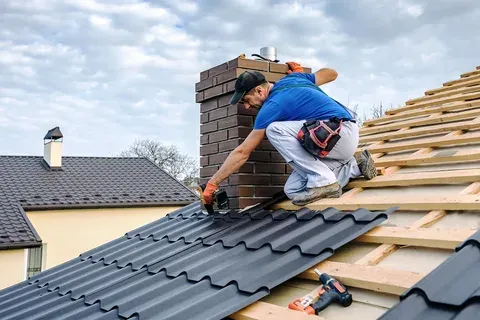

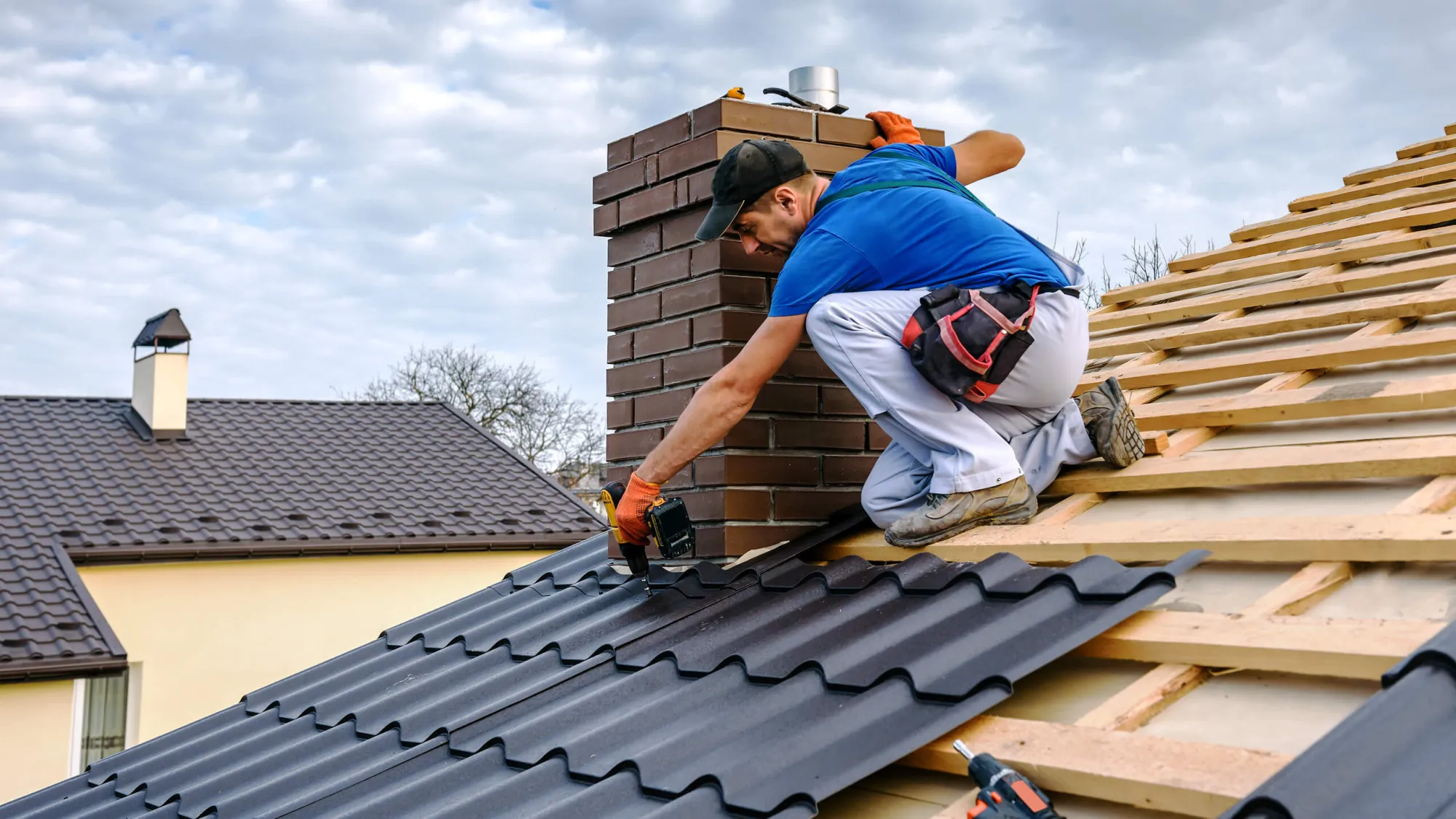
Property owners should schedule a professional Roofing Inspection when they notice physical changes to their shingles, water stains on interior ceilings, or after their roof reaches the fifteen year mark. Timely evaluations allow for the identification of minor leaks, missing fasteners, or clogged drainage systems before these issues result in significant structural damage or mold growth. Most experts recommend these checks twice a year, typically in the spring and fall, to prepare the building for extreme temperature shifts.
While visual checks from the ground are helpful, a comprehensive assessment involves looking at the flashing, ventilation, and structural integrity of the entire system. Ignoring small indicators like shingle granules in the gutters or moss growth on north-facing slopes often leads to more expensive interventions later. This guide provides a detailed look at the physical and environmental signs that suggest a professional needs to evaluate the roof.
Visible Shingle Damage and Wear
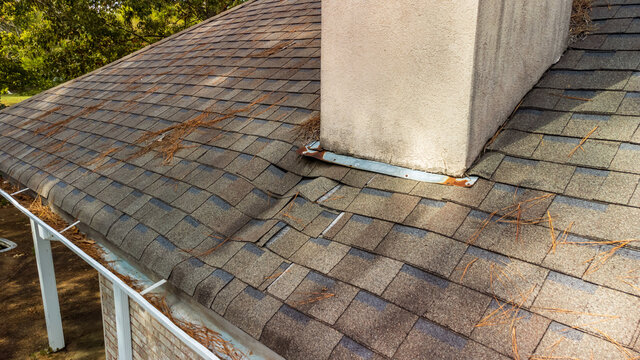
One of the most obvious signs that a property requires professional eyes is the physical degradation of the roofing material. For those managing Residential Roofing systems, this often manifests as shingles that are curling at the edges, buckling, or cracking. These deformities happen when the asphalt matures and loses its natural oils, causing the material to become brittle. When shingles curl, they no longer lie flat, which allows wind to get underneath them and tear them away during a storm.
Another sign to look for is the presence of "bald spots" on the roof. Asphalt shingles are coated with ceramic granules that protect the underlying material from ultraviolet rays. As the roof ages, these granules loosen and wash into the gutters. If a property owner finds what looks like coarse black sand in their downspouts, it is a clear indication that the shingles are losing their protective layer. Without these granules, the shingles bake in the sun and fail quickly.
Interior Water Stains and Attic Dampness
Not all signs of damage are visible from the outside. Often, the first hint of a problem appears on the interior of the building. Brown or yellow circles on the ceiling or streaks along the walls suggest that water is bypassing the external barrier. This is a common issue in Commercial Roofing where flat surfaces might allow water to pond, eventually finding a tiny puncture in the membrane.
Checking the attic during a rainstorm is a practical way to find leaks. Property owners should look for damp rafters, wet insulation, or light peeking through the roof boards. If sunlight is visible through the roof deck, water will certainly follow the same path. Moisture in the attic also leads to wood rot and reduced insulation efficiency, which drives up heating and cooling costs.
Market Data on Roof Lifespans and Maintenance
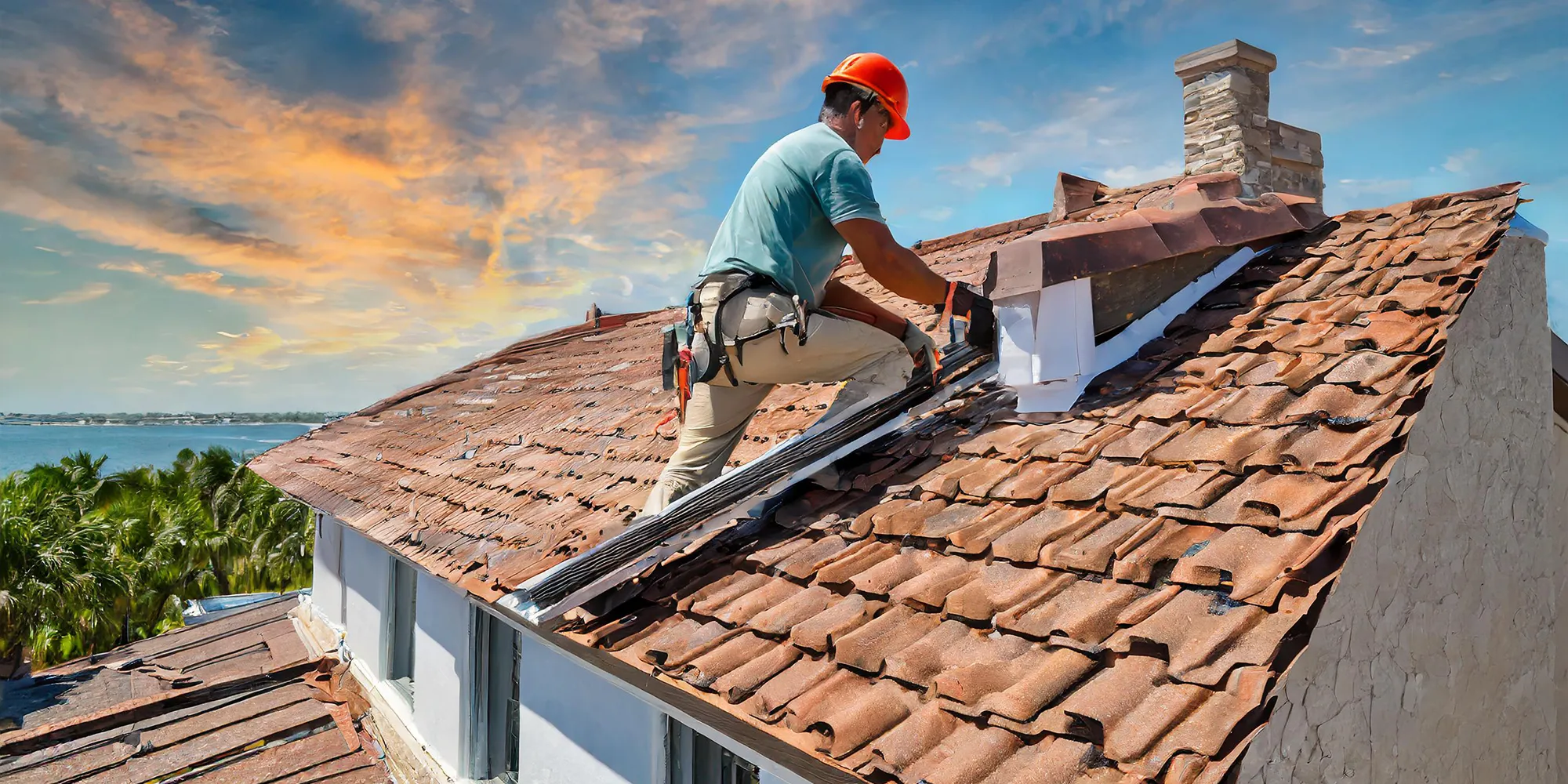
Recent industry data suggests that nearly 90 percent of all roof leaks are caused by improper installation or failing flashing around chimneys and vents rather than the shingles themselves. Most standard asphalt roofs are designed to last between 20 and 25 years, but environmental factors in coastal regions often shorten this window.
| Roof Material | Typical Lifespan | Recommended Inspection Frequency |
|---|---|---|
| Asphalt Shingles | 15 to 25 Years | Twice per year |
| Metal Roofing | 40 to 70 Years | Once per year |
| Flat EPDM/TPO | 20 to 30 Years | Twice per year |
| Slate or Tile | 50 to 100 Years | Every 2 years |
How a Roofing Inspection Helps Identify Age and Environmental Damage
A Roofing Inspection helps identify how age and environmental conditions affect the performance of a roof, even when no obvious damage is visible from the ground. Once a roof passes the 20-year mark, the likelihood of major issues increases significantly. At this stage, a Roof Replacement may be more cost-effective than repeated repairs. A professional inspection can also detect small cracks and weakened materials caused by years of exposure before they allow moisture to enter the structure.
Regional weather patterns play a major role in when a Roofing Inspection becomes necessary. In areas like Freeport, New York, roofs face a combination of salt air, high humidity, and heavy winter snow. The salt air can accelerate the corrosion of metal fasteners and flashing. Meanwhile, the freeze-thaw cycle of winter causes water to seep into small crevices, freeze, and expand, which pulls the roofing materials apart.
Bonus Tip: After any storm with winds exceeding 50 miles per hour, property owners should perform a quick walk around their home to check for downed shingles or tree limb damage.
Sagging Rooflines and Structural Issues
A sagging roofline is a serious warning sign that requires immediate attention. This usually indicates a structural problem rather than just a cosmetic one. It could be caused by long term water damage rotting the wooden rafters or by the weight of too many layers of old shingles. If the ridge of the roof is not straight or if there are noticeable dips in the surface, the integrity of the building is at risk.
In some cases, a sagging roof on a commercial building might be due to poor drainage. When water sits on a flat roof for more than 48 hours, it adds immense weight that the structure was not designed to hold. Professionals can determine if the issue requires a simple Roof Repair or if the support beams need reinforcement.
Things to Consider Before Making a Decision
Before choosing a course of action, property owners should weigh several factors to ensure they get the best value.
- Repair History: If the same spot has been fixed multiple times and still leaks, the problem is likely deeper than the surface.
- Energy Bills: A sudden spike in utility costs often points to poor attic ventilation or compromised roof insulation.
- Contractor Credentials: It is helpful to work with a team that is GAF Master Elite Certified as this ensures the installers have met high standards for training and insurance.
- Future Plans: If a property owner plans to sell the building within five years, a certified inspection report can be a valuable asset during negotiations.
- Warranty Status: Always check if the current roof is still under a manufacturer warranty, as this may cover the cost of certain assessments.
Bonus Tip: Keep trees trimmed at least six feet away from the roofline. Overhanging branches drop debris that clogs gutters and provides a bridge for rodents to enter the attic.
Final Thoughts on Roof Maintenance
Keeping a roof in top condition requires a proactive approach. By looking for curled shingles, interior stains, and signs of structural sagging, property owners can avoid the stress of emergency leaks. Regular evaluations by experienced professionals ensure that small problems are caught before they turn into major financial burdens. Taking the time to verify the age and condition of a roof today provides peace of mind for the seasons ahead.
Protect Your Roof with Trusted Local Roofing Experts
For property owners in need of a professional assessment, Roofing Freeport offers comprehensive services for both residential and commercial buildings. They bring over 26 years of local experience and are known for using premium materials. As a GAF Master Elite Certified provider, they offer 100% financing and 24/7 support for emergencies. Property owners can request a free estimate or learn more about their 50 year transferable warranty by calling (516) 226-8500 or emailing [email protected]. Their team is fully licensed and insured, providing reliable solutions for any roofing challenge.
FAQs
How long does a typical professional assessment take?
A standard residential evaluation usually takes between 45 minutes and two hours. The time varies based on the size of the building and the pitch of the roof. Commercial properties with large flat surfaces may take longer if the inspector needs to check multiple drainage points and HVAC curbs.
Will insurance pay for a roof evaluation?
Most insurance companies do not pay for routine maintenance checks. However, if there is visible damage after a documented hail or wind storm, the cost of the assessment might be part of the claim process. Many reputable companies offer free initial estimates to help property owners understand the state of their roof.
Can a roof be fixed in the winter?
Yes, repairs can happen in the winter, though certain materials like asphalt shingles require special handling. Shingles may need hand sealing if the temperature is too low for the thermal strips to bond naturally. Emergency services are available year round to prevent interior water damage.
What are the signs of a failing flat roof?
Flat roofs often show failure through "alligatoring," which is a pattern of cracks that looks like reptile skin. Other signs include large bubbles in the membrane, known as blisters, or pulled seams where the sections of the roof meet.
How does attic ventilation affect roof life?
Proper ventilation allows heat and moisture to escape the attic. Without it, the shingles can actually "cook" from the inside out during the summer. In the winter, poor ventilation leads to ice dams, which force water up under the shingles.


























Sign in to leave a comment.