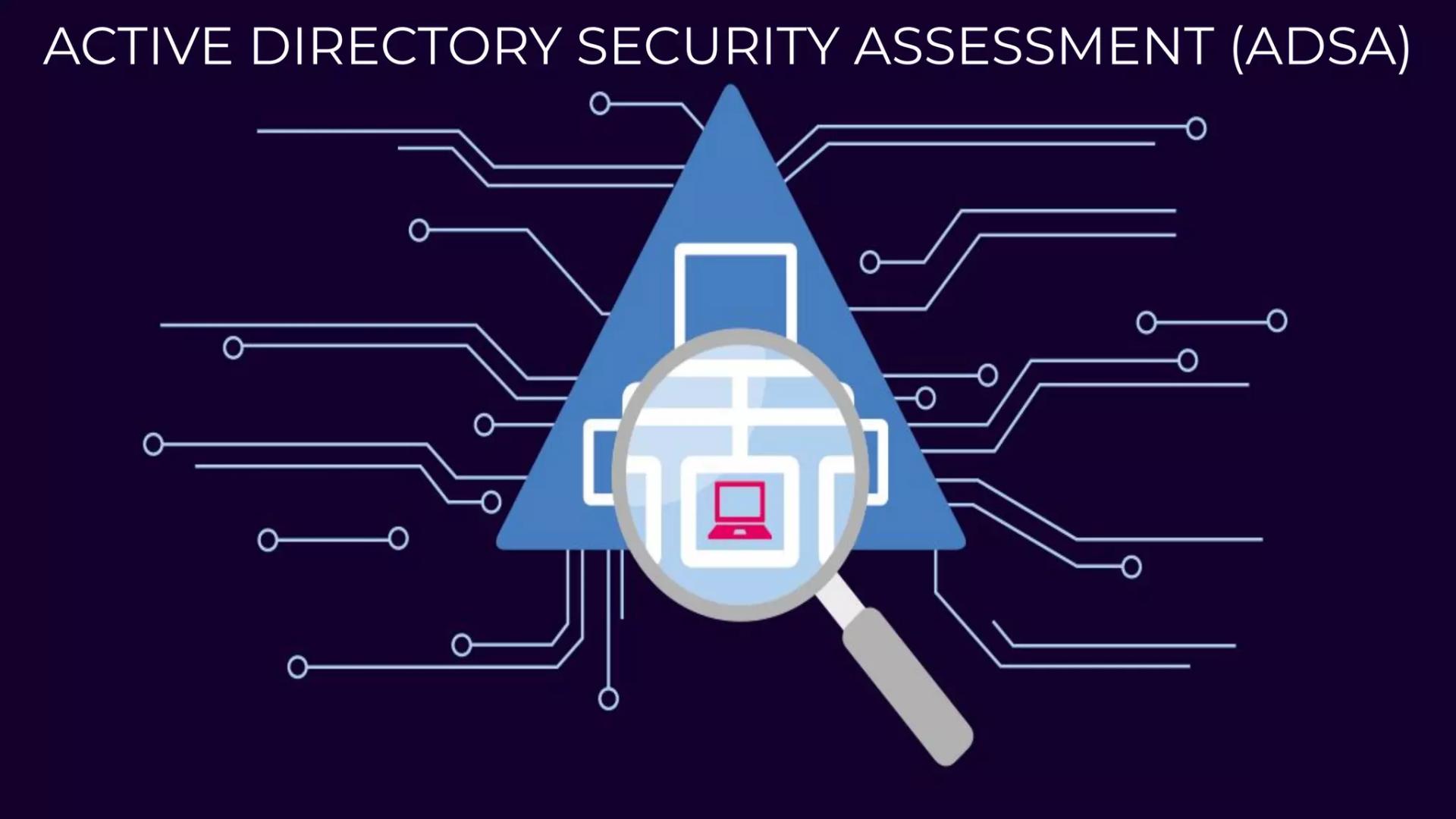

Active Directory is the backbone of identity and access management for most organisations. It controls who can log in, what systems they can access, and how privileges are assigned. When it is misconfigured or poorly monitored, it becomes one of the easiest ways for attackers to move across your network. That is why recognising the warning signs early and planning an Active Directory Security Assessment can prevent serious security and business risks.
Below are the most common indicators that your organisation should act before small gaps turn into major breaches.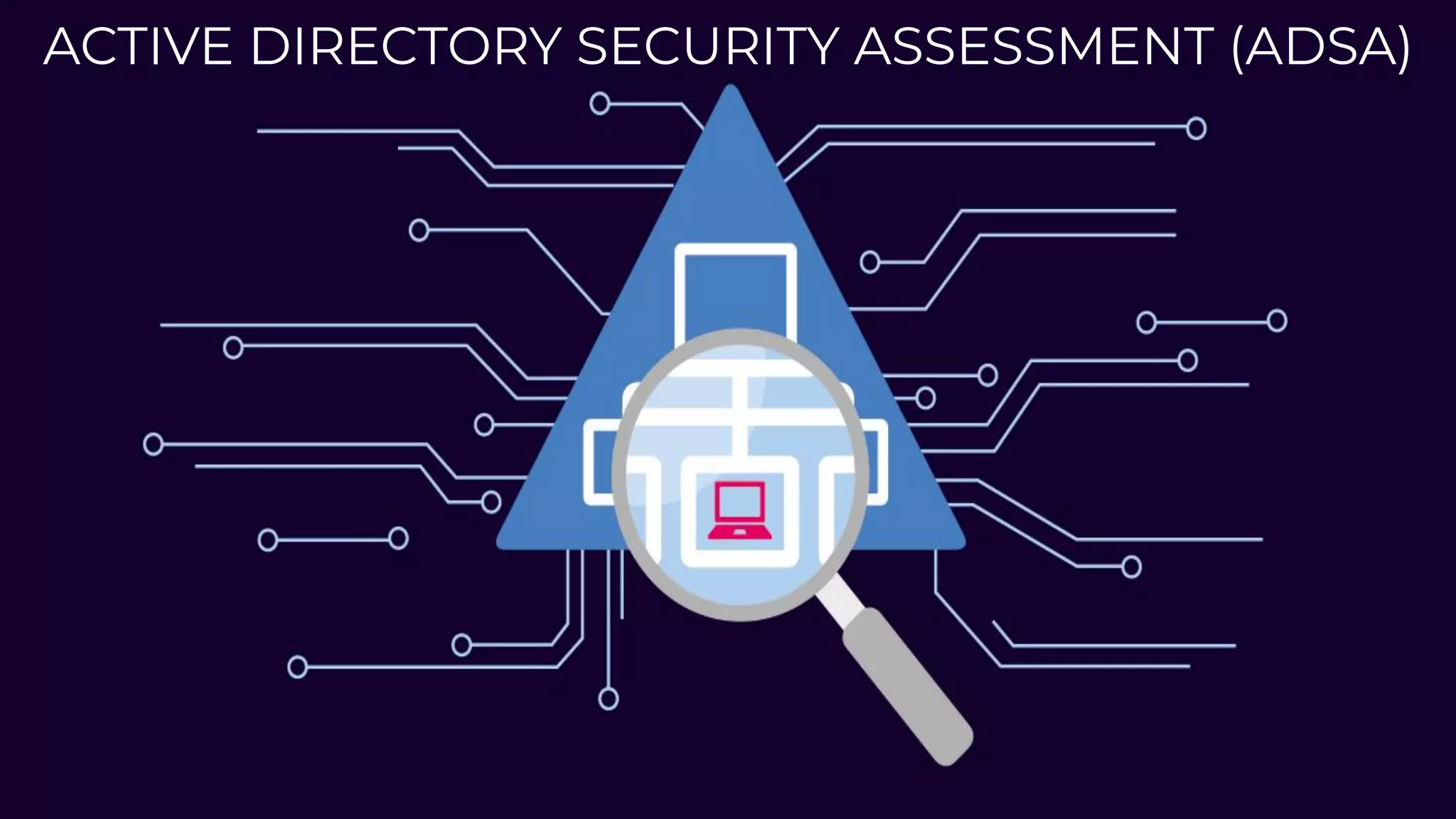
Why Active Directory Is a Prime Target for Attackers
Cybercriminals often focus on Active Directory because it offers a single point of control over users, devices, and permissions. Once compromised, attackers can escalate privileges, disable security controls, and access sensitive data with ease.
Many companies assume that standard antivirus tools or firewalls are enough. In reality, identity-based attacks continue to rise, and they often go unnoticed until damage is done.
You Have Not Reviewed Active Directory Security in Years
If your Active Directory environment has grown over time without a structured review, hidden risks are almost guaranteed.
Business Growth Creates Silent Security Gaps
As organisations expand, they add users, servers, service accounts, and integrations. Each addition increases complexity. Without periodic checks, outdated policies and weak permissions remain active.
Legacy Settings Still Exist
Older configurations that were acceptable years ago may now violate modern security standards. Attackers actively search for these legacy weaknesses.
A formal Active Directory Security Assessment helps uncover misconfigurations that everyday monitoring tools often miss.
Too Many Users Have Administrative Privileges
Excessive access rights are one of the most common and dangerous problems in Active Directory.
Privilege Creep Is Hard to Control
Employees change roles, projects, and departments. Access is added quickly but rarely removed. Over time, standard users gain elevated permissions they no longer need.
Admin Accounts Increase Breach Impact
When attackers compromise an account with admin-level access, the entire network becomes vulnerable. Reducing and controlling these privileges significantly lowers risk.
You Experience Frequent Account Lockouts or Login Issues
Authentication problems are often treated as IT inconveniences, but they can signal deeper security concerns.
Misconfigured Policies
Poorly designed password and lockout policies can create both usability issues and security gaps.
Signs of Brute-Force or Credential Attacks
Repeated failed logins may indicate attackers attempting to guess or reuse stolen credentials.
An Active Directory Security Assessment helps identify whether these issues are operational errors or signs of active threats.
You Cannot Clearly See Who Has Access to What
Lack of visibility is a major red flag.
Incomplete Access Documentation
If your IT team cannot quickly answer who has access to sensitive systems or data, your security posture is weak.
Difficulty Meeting Audit or Compliance Requests
Regulatory frameworks often require clear access controls and audit trails. Without visibility, compliance becomes stressful and risky.
Security teams working with Lmntrix Active Defense often discover unnecessary access paths that expose critical assets without anyone realising it.
You Rely on Default or Outdated Security Policies
Default configurations are designed for convenience, not protection.
Attackers Know Default Settings
Common password policies, open service accounts, and weak delegation settings are well-documented by attackers.
Policy Updates Are Often Overlooked
As threats evolve, policies must evolve too. Sticking with old rules increases exposure to modern attack techniques.
You Have Experienced a Security Incident or Near Miss
Past incidents are strong indicators of future risk.
Breaches Often Start with Identity Compromise
Many ransomware and data breaches begin with a single compromised user account.
Near Misses Should Not Be Ignored
Even if damage was limited, attackers may have already mapped your environment.
Conducting an Active Directory Security Assessment after an incident helps close gaps before they are exploited again.
Your IT Team Is Overstretched
Security often suffers when teams are busy managing daily operations.
Limited Time for Proactive Reviews
Most IT teams focus on keeping systems running. Deep security reviews fall to the bottom of the priority list.
External Expertise Adds Value
Specialists bring tools, experience, and threat intelligence that internal teams may not have.
Providers like Lmntrix Active Defense help organisations identify identity risks without adding pressure to internal resources.
Preparing for Cloud, Hybrid, or Zero Trust Environments
Modern IT environments are no longer limited to on-premise networks.
Hybrid Setups Increase Complexity
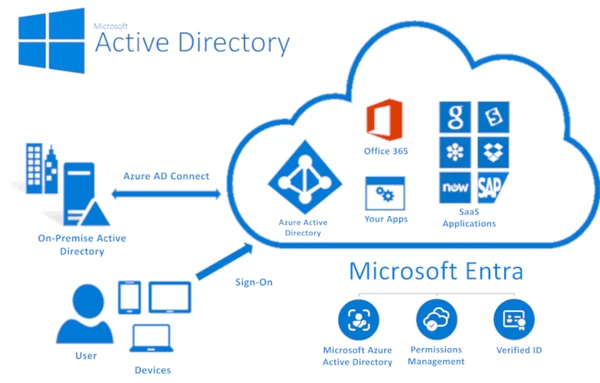
When Active Directory integrates with cloud platforms, misconfigurations can spread across multiple systems.
Zero Trust Requires Strong Identity Controls
Identity is the foundation of Zero Trust security. Weak directory controls undermine the entire strategy.
An Active Directory Security Assessment ensures your identity infrastructure is ready for modern architectures.
Conclusion: Act Before Identity Risks Become Business Risks
Active Directory issues rarely cause immediate failures, which makes them easy to ignore. However, attackers rely on this neglect. Recognising the warning signs early can save your organisation from costly breaches, downtime, and compliance failures.
Working with experts like Lmntrix Active Defense gives you clear visibility into your identity security, practical remediation steps, and long-term protection. Do not wait for an incident to force action. Strengthen your foundation today and protect what matters most.
Take the next step with Lmntrix Active Defense and secure your Active Directory before attackers do.
FAQs
1. How often should Active Directory security be reviewed?
Most organisations should review Active Directory security at least once a year, or after major changes such as mergers, cloud migrations, or security incidents.
2. Can small and mid-sized businesses benefit from an assessment?
Yes. Smaller organisations are often targeted because they lack strong identity controls. An assessment helps reduce risk regardless of company size.
3. Is an assessment disruptive to daily operations?
No. A professional review is typically non-intrusive and focuses on analysis rather than changes, allowing business operations to continue without interruption.



























Sign in to leave a comment.