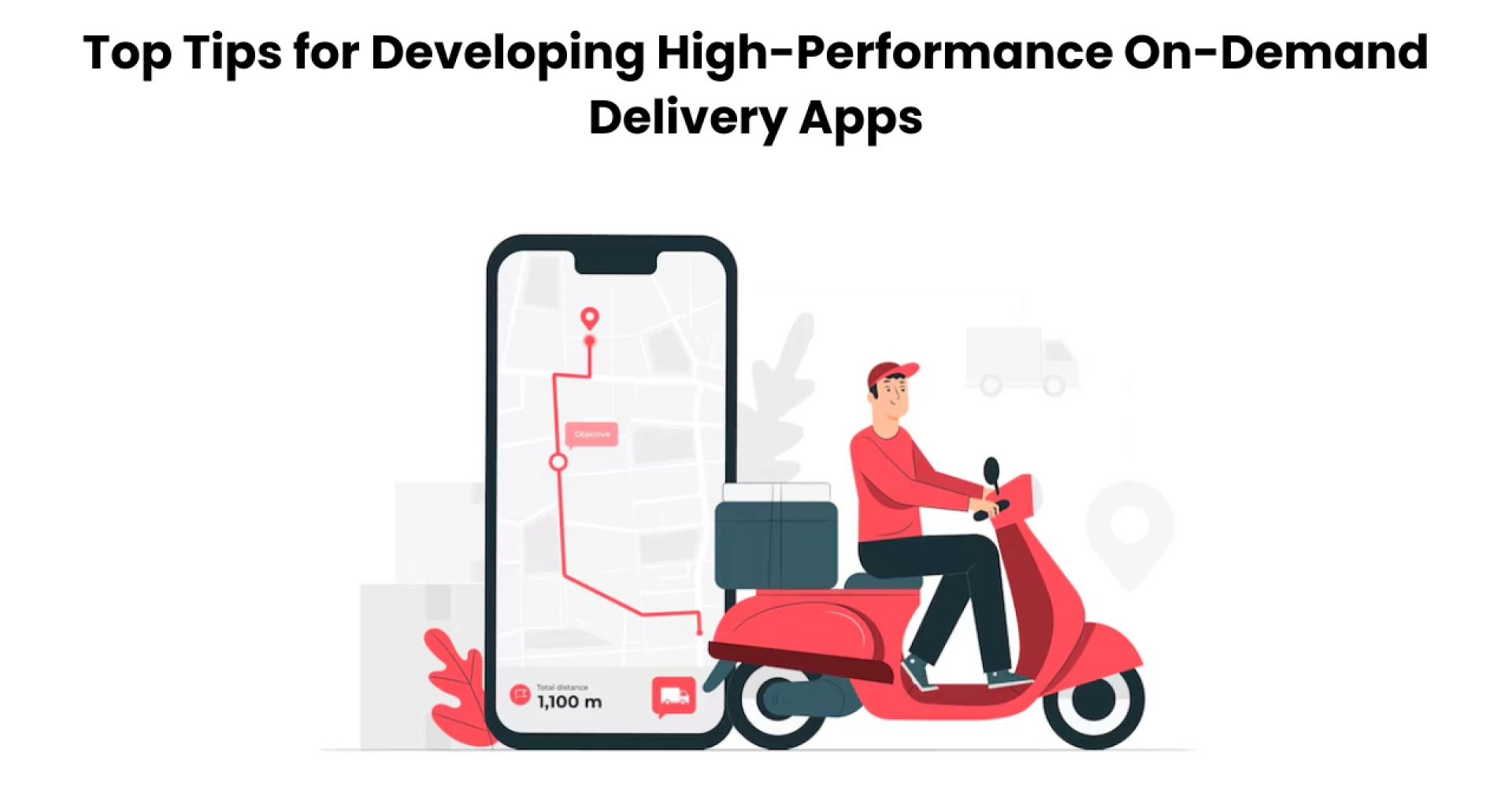

In the fast-evolving world of e-commerce and services, on-demand delivery apps have become an essential tool for businesses across industries. Whether it's delivering food, groceries, packages, or other products, customers expect fast, efficient, and reliable delivery. As a business owner or entrepreneur, developing a high-performance on-demand delivery app is crucial to meeting these expectations and staying competitive.
In this blog, we’ll walk through some essential tips for developing high-performance on-demand delivery apps. These tips will not only help you create a smooth and efficient app but also ensure that it meets the needs of your customers while offering scalability for future growth.
Why High-Performance Is Important in On-Demand Delivery Apps?
Before we dive into the tips, it’s important to understand why high performance is critical in on-demand delivery apps. In a competitive marketplace, an app that performs poorly can lead to frustrated customers, lost revenue, and a damaged reputation.
Key reasons high-performance apps are essential:
- Speed and Reliability: Users expect their deliveries to be completed quickly and without any delays. A high-performance app ensures fast processing of orders, real-time tracking, and minimal lag in response times.
- User Satisfaction: A seamless, smooth app experience leads to happy customers who are more likely to use the service repeatedly.
- Scalability: As your business grows, you’ll need an app that can handle an increasing number of users and transactions. A high-performance app is scalable and can evolve with your business.
With that in mind, let’s explore the top tips for building a high-performance on-demand delivery app.
1. Focus on Speed and Responsiveness
Why Speed Matters
One of the most important features of any on-demand delivery app is speed. The quicker your app processes orders, updates delivery status, and provides real-time tracking, the more satisfied your users will be. In a highly competitive market, users are less likely to wait around for slow load times or long transaction processing.
Tips for Improving Speed:
- Optimize App Code: Clean, well-structured code helps reduce load times and improves app performance. Working with experienced developers ensures that the app’s code is optimized for speed.
- Use Caching: Caching reduces the load on the server by storing data locally on users’ devices. This can make the app respond faster to common requests, such as browsing products or checking delivery statuses.
- Reduce Image and Video Sizes: Large images and videos can significantly slow down the app. Compress images and use appropriate file formats to minimize load times while maintaining quality.
2. Ensure Real-Time Tracking and Updates
Importance of Real-Time Features
On-demand delivery apps thrive on real-time updates, especially when it comes to tracking deliveries. Customers want to know where their order is at all times and when it’s expected to arrive. Real-time tracking provides transparency, builds trust, and improves the overall user experience.
Tips for Implementing Real-Time Tracking:
- GPS Integration: Incorporating GPS tracking allows customers to see their delivery’s current location. It also helps drivers navigate to the destination with ease, improving delivery speed.
- Push Notifications: Use push notifications to provide real-time updates on order status, including confirmation, dispatch, arrival time, and any changes. Notifications help keep customers informed and reduce anxiety.
- Efficient Data Syncing: Syncing data in real-time between the driver, customer, and admin dashboard ensures accurate updates. Ensure that the app supports automatic updates without requiring manual intervention.
3. Streamline the User Interface (UI)
Why UI Matters
A high-performance app isn’t just about functionality; it’s also about how easy it is for users to interact with the app. A clean, intuitive user interface (UI) encourages users to complete actions quickly and efficiently. Cluttered, confusing designs, on the other hand, can frustrate users and drive them away.
Tips for Designing an Intuitive UI:
- Simplify Navigation: Make it easy for users to find what they need. Keep navigation menus simple, and ensure that important actions (such as placing an order or making a payment) are clearly visible.
- Minimalistic Design: Use a minimalist design approach, focusing on essential elements. Too many options or a complex layout can overwhelm users.
- Responsive Design: Ensure that your app works well on both smartphones and tablets. The app’s UI should adapt to different screen sizes and orientations to provide a smooth experience for all users.
4. Implement Secure Payment Methods
Importance of Security
Security is a top concern for any online transaction, especially when dealing with sensitive data such as payment details. A high-performance app should integrate secure payment gateways and adhere to industry-standard security protocols.
Tips for Secure Payment Integration:
- Use Trusted Payment Gateways: Work with well-known and secure payment processors like PayPal, Stripe, or Apple Pay to ensure a safe and seamless transaction process.
- Encryption: Encrypt user data using secure methods to protect payment information and personal details from unauthorized access.
- Two-Factor Authentication: Add an extra layer of security by requiring two-factor authentication (2FA) for user logins or payment authorization.
Read more: Unlock Business Potential with On-Demand Delivery App Development
5. Optimize for Scalability
Why Scalability Matters
As your on-demand delivery business grows, your app will need to handle an increasing number of users and transactions. A scalable app can grow with your business without compromising on performance or user experience.
Tips for Building Scalable Apps:
- Cloud-Based Infrastructure: Use cloud-based solutions like AWS or Google Cloud to ensure that your app can handle large amounts of data and traffic without crashing.
- Modular Architecture: Develop your app with a modular architecture so that new features and functionalities can be added seamlessly as your business expands.
- Load Balancing: Implement load balancing to distribute traffic evenly across servers, ensuring that your app remains responsive during peak usage times.
6. Prioritize User Feedback and Continuous Improvement
Importance of Feedback
User feedback is essential for continuous improvement. A high-performance app is not a one-and-done project; it requires constant updates and adjustments based on user behavior and feedback.
Tips for Improving the App Post-Launch:
- Collect Feedback Regularly: Use in-app surveys, ratings, and reviews to gather feedback from users about their experience with the app. This helps identify pain points and areas for improvement.
- Analyze Usage Data: Use analytics tools to track how users interact with the app. Identifying common drop-off points or features that are rarely used can help optimize the app for better performance.
- Frequent Updates: Regularly update the app to fix bugs, add new features, and improve performance. Ensure that updates do not disrupt the user experience.
7. Implement Efficient Delivery Management
Why Delivery Management Is Crucial
The core function of an on-demand delivery app is to ensure smooth, timely deliveries. Efficient delivery management is essential to meet customer expectations and build trust.
Tips for Streamlining Delivery Management:
- Real-Time Delivery Assignments: Automatically assign orders to drivers based on their proximity to the pickup location. This ensures faster deliveries and reduces unnecessary delays.
- Route Optimization: Integrate route optimization features to help delivery drivers find the fastest and most efficient routes.
- Driver Ratings: Allow users to rate delivery drivers. This ensures quality service and helps identify top-performing drivers.
Conclusion
Developing a high-performance on-demand delivery app is a complex process that requires a careful blend of speed, user-centric design, security, and scalability. By following the tips outlined in this blog, you can build an app that not only performs well but also delivers a seamless experience for your users.
Remember, working with an experienced on-demand app development company is key to turning your vision into reality. A professional team can help guide you through the development process, ensuring that your app is optimized for both performance and user satisfaction.
With the right features, secure payment options, and continuous updates, your on-demand delivery app will be set up for success. If you're ready to build your app, it's time to partner with a skilled development team and start creating an app that can scale as your business grows.
























Sign in to leave a comment.