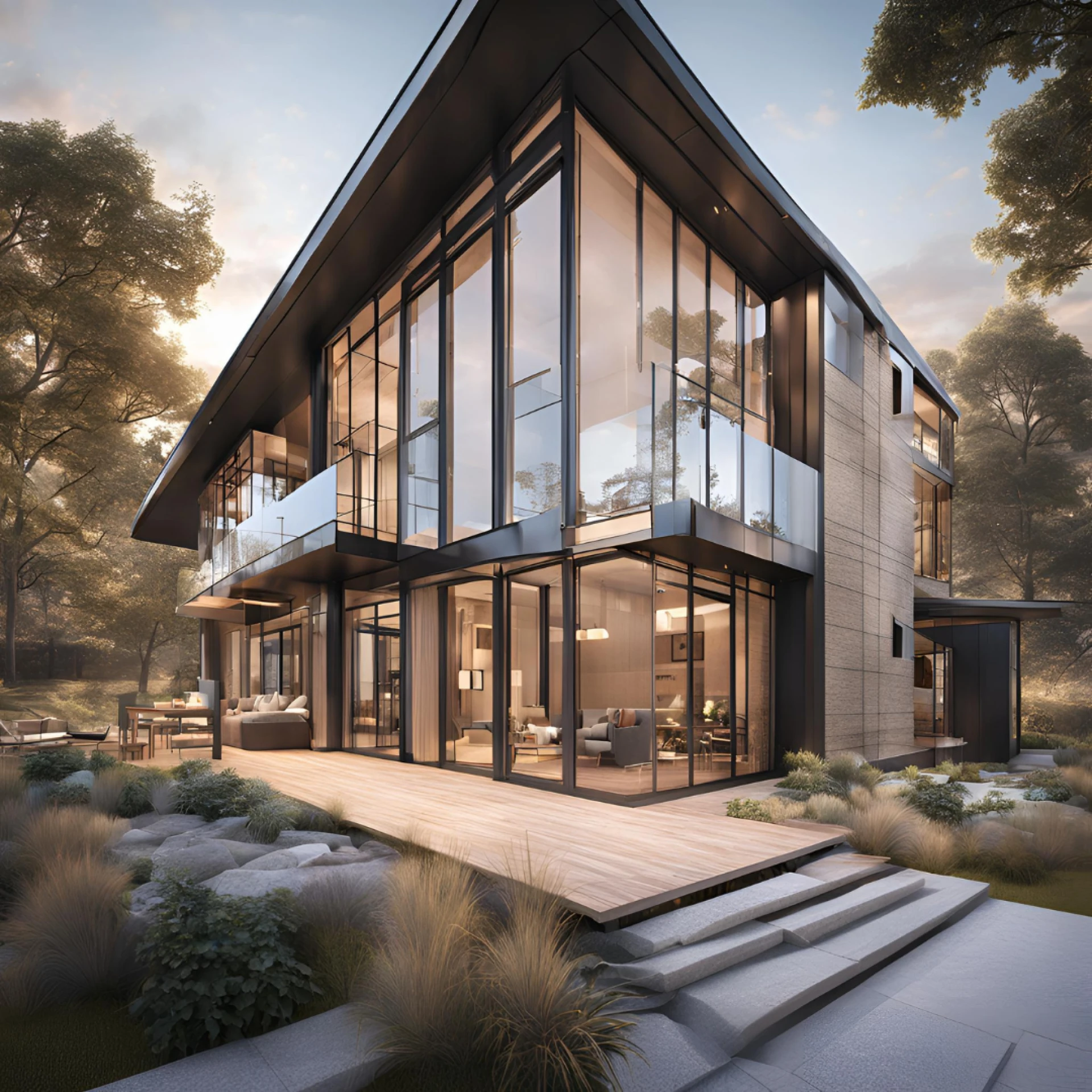

In the ever-evolving field of architecture, staying ahead of trends is crucial for delivering innovative and sustainable designs. Architectural drafting, the cornerstone of design and construction planning, is experiencing a transformative shift in 2024. From cutting-edge technology to sustainable practices, these trends are redefining how architects conceptualize and execute projects.
Let’s explore the top trends in architectural drafting for 2024 that will shape the future of design.
1. Integration of Artificial Intelligence (AI) in Drafting
AI is revolutionizing architectural drafting by automating repetitive tasks and offering intelligent insights for design optimization. AI-powered drafting tools can analyze spatial relationships, material usage, and structural integrity to suggest improvements, significantly reducing the time required for manual revisions.
Key Benefits:
- Enhanced precision in design.
- Reduced errors in complex drafting processes.
- Faster decision-making through predictive analytics.
For architects in the USA, integrating AI tools like Autodesk’s AI-enhanced features ensures compliance with building codes while optimizing resource allocation.
2. Cloud-Based Collaboration
The adoption of cloud-based drafting platforms is on the rise, enabling architects, engineers, and clients to collaborate seamlessly in real time. Cloud tools like BIM 360 and Revit’s cloud services ensure that team members can access and edit designs from anywhere, fostering a unified approach to projects.
Why It Matters:
- Facilitates remote work and global collaboration.
- Ensures data consistency and reduces versioning issues.
- Improves project timelines by enabling instant feedback.
USA-based architectural firms benefit from enhanced communication, especially for large-scale, multi-disciplinary projects.
3. Sustainability and Green Design
Sustainability is no longer optional in architectural drafting. With increasing awareness of environmental impact, architects are integrating eco-friendly materials and energy-efficient systems into their drafts. Tools like Ecotect and Tally help in assessing the environmental footprint of designs.
Trends in Green Drafting:
- Use of sustainable resources, such as bamboo and repurposed steel.
- Designing for net-zero energy consumption.
- Incorporating renewable energy sources like solar panels into building designs.
Drafting practices focusing on sustainability align with the USA’s commitment to reducing carbon emissions in construction.
4. 3D Modeling and Virtual Reality (VR)
Gone are the days when 2D drafts were sufficient. In 2024, 3D modeling tools like SketchUp, Rhino, and Revit dominate architectural drafting. Additionally, VR technology offers immersive experiences, allowing clients to virtually walk through their future spaces.
Advantages:
- Provides a realistic understanding of designs.
- Reduces the gap between client expectations and outcomes.
- Enhances precision in spatial planning.
This trend is especially popular in the USA’s competitive real estate market, where client satisfaction is paramount.
5. Parametric Design
Parametric design is reshaping the architectural drafting landscape by using algorithms to generate complex structures and optimize designs. Software like Grasshopper and Dynamo enables architects to explore endless design possibilities while maintaining functionality.
Applications:
- Customizable facades and intricate structural details.
- Optimizing designs for wind flow, light, and thermal efficiency.
- Enhancing aesthetics while adhering to structural constraints.
Architects in urban USA settings are leveraging parametric design to stand out in competitive markets.
6. Enhanced BIM Capabilities
Building Information Modeling (BIM) continues to evolve with new capabilities for architectural drafting. BIM tools now integrate augmented reality (AR) and advanced analytics to improve design accuracy and collaboration.
Key Features in 2024:
- Clash detection for reducing on-site errors.
- Improved lifecycle analysis for better project planning.
- Integration with IoT devices for smart building designs.
The USA construction industry’s reliance on BIM ensures higher efficiency and compliance with regulatory standards.
7. Digital Twin Technology
Digital twins—virtual replicas of physical spaces—are gaining traction in architectural drafting. This technology provides real-time data about a building’s performance, allowing architects to make informed decisions.
Benefits:
- Facilitates proactive maintenance and upgrades.
- Offers insights into energy consumption and space utilization.
- Enhances the lifecycle management of buildings.
Digital twins are becoming essential in the USA’s smart city initiatives, ensuring sustainable urban development.
8. Automation in Drafting
Automation is streamlining drafting processes by generating detailed construction documents automatically. Tools like AutoCAD’s automated features and Bluebeam Revu’s markup tools save time and reduce errors.
Impact:
- Speeds up project delivery.
- Ensures consistent quality across drafts.
- Reduces the workload for architectural teams.
Automation is particularly useful for small to mid-sized firms in the USA looking to scale their operations efficiently.
9. Focus on Human-Centric Design
2024 emphasizes designs that prioritize human experience. Drafting practices now incorporate ergonomic and wellness-focused elements, ensuring spaces are both functional and comfortable.
Human-Centric Features:
- Biophilic design elements like indoor greenery.
- Optimized lighting for productivity and well-being.
- Flexible layouts to adapt to changing needs.
This trend is influencing commercial and residential projects across the USA, where end-user satisfaction drives design choices.
10. Generative Design
Generative design is emerging as a game-changer by using AI to create optimized drafts based on predefined constraints. Tools like Autodesk’s Generative Design allow architects to explore multiple design scenarios and select the best fit.
Advantages:
- Enhances creativity and innovation.
- Reduces material wastage.
- Delivers cost-effective solutions.
Generative design is gaining momentum in the USA’s cost-sensitive construction sector.
Conclusion
Architectural drafting in 2024 is a blend of technology, sustainability, and human-centric innovation. By adopting these trends, architects can stay competitive and meet the evolving demands of clients and regulators. For USA-based firms, these advancements not only improve project outcomes but also align with global best practices in design and construction.
As the industry continues to evolve, embracing these trends will ensure architects and firms remain at the forefront of innovation, delivering designs that are both groundbreaking and impactful.
Author Bio:
Jenny Cristine is a seasoned blogger and guest writer specializing in services and business construction. With a passion for exploring industry trends and sharing actionable insights, Jenny’s work helps professionals and businesses stay ahead in the competitive architectural and construction landscape. When she’s not writing, Jenny enjoys exploring innovative designs and green building solutions. Connect with her for more insights into the world of architecture and construction.
























Sign in to leave a comment.