
The healthcare and technology sectors are evolving rapidly. The Bay Area remains at the center of innovation. In 2026, the Bay Area medical device manufacturing is being shaped by a mix of advanced technology, regulatory focus, and changing market demands.
Companies are working smarter, faster, and deliver high-quality medical devices that meet global standards. Below are the top trends defining the industry this year.
1. Increased Use of Automation and Robotics
Automation is now a necessity in the production of medical devices. Manufacturers are putting large sums of money into robotics to enhance precision and minimize human error.
Among the main advantages are:
- Greater uniformity in production.
- Quicker processing times.
- Less material wastage.
- Safer work environment.
Robotics has powered up the assembly lines that produce sophisticated devices, like surgical instruments, implants, and diagnostic apparatus.
2. Focus on Quality and Regulatory Compliance
The regulatory landscape has become strict. Hence, the manufacturers have to implement more robust quality systems. By 2026, compliance will be an integral part of the production process across the board, and not just the final distribution stage.
Some common practices are:
- Simultaneous quality monitoring.
- Use of electronic documentation systems.
- Conducting risk assessments in the early stages.
- Improvement in material traceability.
This manner of operation not only cuts down on the number of recalls but also contributes to the professional safety of patients.
3. Growth of Smart and Connected Devices
The healthcare sector is on the verge of a complete transformation as smart medical devices gain popularity. The manufacturers are now embedding hardware and software.
Some examples are:
- Wearable health monitoring devices.
- Smart implants with tracking functionalities.
- Connected diagnostic tools.
The clinical usage of these devices in patient monitoring from a distance has become easier. Thus, they are an important part of modern healthcare.
4. Sustainable Manufacturing Practices
2026 is being considered as a year where sustainability will be the most important factor. The medical device industry goes green while maintaining the same quality standards.
The main sustainability measures taken are:
- Use of recycled and biodegradable materials.
- Installation of energy-efficient machines for production.
- Implementation of waste reduction programs.
- Increased local sourcing to minimize the impact of transportation.
Sustainable practices not only contribute to the environment but also make the healthcare sector more responsible.
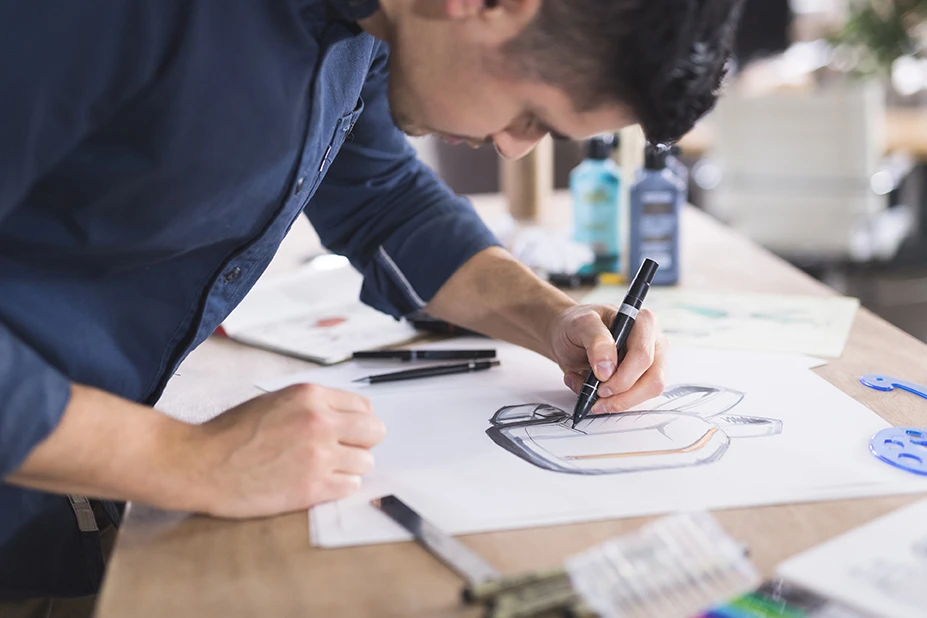
5. Faster Prototyping and Product Development
Speed is a necessity in the medical industry. To design and refine, the companies are resorting to cutting-edge prototyping techniques.
The techniques are:
- 3D printing for quick prototyping.
- Digital simulations to check performance.
- Agile development cycles.
Faster prototyping allows the manufacturers to quickly adapt to the demands of the market and keep used with technological advancements.
6. Emphasis on Customization and Small-Batch Production
Healthcare providers demand customized solutions tailored to specific patient needs. Manufacturers have moved from large-scale production to flexible, small-batch manufacturing.
Advantages are:
- Personalized medical devices.
- Better alignment with clinical requirements.
- Reduced inventory costs.
This trend is particularly strong in specialized surgical and orthopedic devices.
Conclusion
Medical device manufacturing in the Bay Area continues to move toward smarter, faster, and more sustainable production. These trends reflect a broader industry shift also seen in Los Angeles vertically integrated manufacturing.
By staying aligned with these advancements, Mac Cal supports high standards of quality and innovation in medical device manufacturing.



























Sign in to leave a comment.