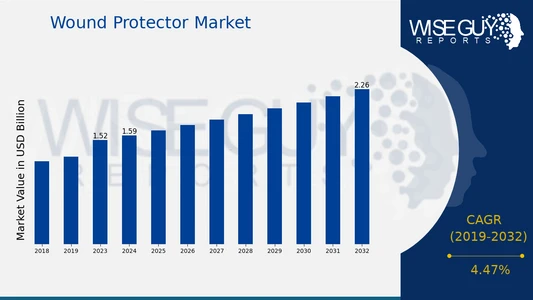

Wound Protector Market: Key Questions Answered
The Wound Protector Market is witnessing significant growth, driven by factors like an aging population, rising chronic disease burden, and increasing awareness of advanced wound management techniques. Within this market, the Wound Protector Market, encompassing various dressing types, plays a crucial role in promoting wound healing and preventing complications.
This article delves into some of the most common questions surrounding the Wound Protector Market, with a specific focus on the following product types:
- Absorbent Wound Dressings
- Non-Absorbent Wound Dressings
- Hydrocolloid Dressings
- Alginate Dressings
- Foam Dressings
Market Trends and Growth Projections:
- What is the current market share distribution across different wound dressing types?
As of June 2024, absorbent wound dressings hold the largest market share due to their versatility and effectiveness in managing moderate to high exudate (wound fluid). However, the market is experiencing a shift towards advanced dressings like hydrocolloid and foam dressings, driven by their superior healing properties and patient comfort.
- What factors are propelling the growth of specific wound dressing types?
The growth of advanced wound dressings like hydrocolloid and foam dressings is fueled by several factors:
- Advancements in Material Science: Biocompatible materials like hydrogels and silicones are being incorporated into dressings, creating a moist wound environment that promotes faster healing.
- Ease of Use: Many advanced dressings are designed for ease of application and removal, minimizing patient discomfort and improving compliance with treatment protocols.
- Reduced Risk of Infection: Advanced dressings often possess antimicrobial properties that help prevent infections, a significant concern in chronic wound management.
Understanding Different Wound Dressing Types:
1. Absorbent Wound Dressings:
- What are the ideal applications for absorbent wound dressings?
Absorbent wound dressings are well-suited for wounds with moderate to high exudate levels. They come in various forms, including gauzes and pads, and are effective in drawing excess fluid away from the wound bed, promoting a clean and dry environment.
- What are some limitations of using absorbent dressings?
Frequent dressing changes may be required for highly exudative wounds, increasing treatment costs and potentially disrupting the healing process. Additionally, traditional absorbent dressings may adhere to the wound bed, causing discomfort during removal.
2. Non-Absorbent Wound Dressings:
- For what types of wounds are non-absorbent dressings most beneficial?
Non-absorbent dressings, often made of films or transparent sheets, are ideal for protecting wounds with minimal exudate from external contaminants like bacteria and dust. They also allow for continuous wound monitoring without dressing removal.
3. Hydrocolloid Dressings:
- How do hydrocolloid dressings promote wound healing?
Hydrocolloid dressings absorb wound exudate and form a gel-like substance that creates a moist wound environment. This environment promotes cell migration and granulation tissue formation, accelerating the healing process. Additionally, hydrocolloid dressings can help manage pain and provide a protective barrier.
- Are there any specific wound types where hydrocolloid dressings are not recommended?
Hydrocolloid dressings are not suitable for heavily exuding wounds or wounds with signs of infection.
4. Alginate Dressings:
- What are the advantages of using alginate dressings for managing exudate?
Alginate dressings are derived from seaweed and possess excellent absorbency. They can absorb large volumes of exudate while maintaining their structural integrity. This is particularly beneficial for deep wounds with high exudate levels. Additionally, alginate dressings may promote hemostasis (blood clotting) in bleeding wounds.
5. Foam Dressings:
- Why are foam dressings preferred for treating pressure injuries?
Foam dressings are known for their pressure-redistribution properties, which is crucial for preventing and managing pressure injuries. They also absorb exudate effectively, maintain a moist wound environment, and provide cushioning and insulation for the wound bed, promoting patient comfort.
Top Innovations and Key Players:
Leading companies in the Wound Protector Market are constantly innovating to develop more effective and patient-friendly wound dressings. Here\'s a glimpse into some of the top players and their advancements:
- Smith & Nephew: Pioneered the use of negative pressure wound therapy (NPWT) dressings, which promote wound healing by continuously removing exudate and stimulating granulation tissue formation.
- 3M: Developed a range of advanced wound dressings incorporating silicone adhesives that minimize pain during dressing removal.
- ConvaTec: Offers hydrocolloid dressings with antimicrobial properties to help reduce the risk of infection.
- Hollister Incorporated: Introduced foam dressings with specific designs for pressure injury prevention and management.
- Coloplast: Develops advanced wound dressings with telemedicine integration, allowing for remote wound monitoring by healthcare professionals.
For more information visit at MarketResearchFuture
Other Trending Reports
Nontuberculous Mycobacteria Market

























Sign in to leave a comment.