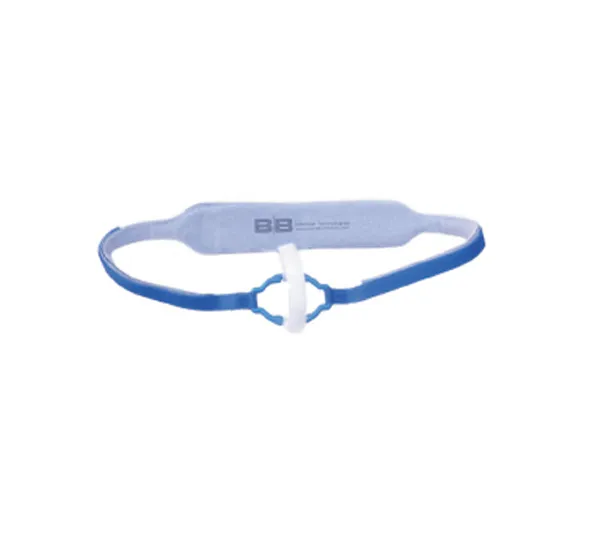

Tracheostomy care depends on maintaining a stable airway while allowing clinicians to continue suctioning, humidification, oxygen delivery, skin assessment, and routine bedside care. Once a tracheostomy tube is placed, the method used to secure it becomes part of ongoing respiratory management because tube movement, skin pressure, moisture, and secretion exposure can all affect patient safety over time.
A Tracheostomy Tube Holder is designed to help stabilize the airway tube while supporting more consistent positioning and practical bedside access. Traditional tracheostomy ties are still used in some clinical environments, but repeated moisture exposure, tension changes, and manual tying techniques may create variability in securement performance. Modern respiratory care increasingly evaluates securement systems not only by whether they hold the tube in place, but also by how they support skin protection, airway access, patient movement, and long-term respiratory workflows.
Why Tracheostomy Tube Stability Directly Affects Patient Safety
A tracheostomy tube functions as the patient’s airway access point for breathing, oxygen delivery, secretion clearance, and ventilatory support. If the tube shifts, loosens, rotates, or becomes displaced, airway stability can change quickly. Even smaller tube movements may affect stoma pressure, secretion clearance, patient comfort, humidification alignment, or ventilator connection stability.
The risk becomes greater during routine bedside care because tracheostomy tubes are exposed to repeated physical stress throughout the day. Suctioning, repositioning, coughing, transport, therapy sessions, dressing changes, humidification tubing, and oxygen setups can all place tension on the airway system. Securement therefore, needs to support both airway stability and repeated patient handling.
Respiratory teams also need reliable access around the tracheostomy site. Skin inspection, secretion management, stoma assessment, and tubing adjustments all become harder if the airway setup is unstable or difficult to reassess. A secure airway system should help clinicians continue care without repeatedly disrupting tube position.
How Traditional Tracheostomy Ties Work
Traditional tracheostomy ties secure the tube by wrapping material around the patient’s neck and attaching it to the tracheostomy flange. Depending on the clinical setting, ties may be made from twill tape, soft fabric, Velcro-style material, or other securement straps. The system relies heavily on how consistently the ties are measured, tightened, positioned, and monitored during care.
This method may provide functional stabilization, especially for short-term care or in environments where the tie-based securement workflow is common practice. However, tension may vary from caregiver to caregiver, and the material may loosen over time due to moisture, perspiration, secretions, or patient movement that affects the setup.
Traditional ties require a fine balance between security and patient comfort. Too loose ties increase the risk of tube movement, while too tight ties increase skin pressure, discomfort, venous congestion, or irritation around the neck.
How a Tracheostomy Tube Holder Impacts Securement Stability
The Tracheostomy Tube Holder offers a more systematic airway securement method through a stabilization system built around the tracheostomy placement and repeated bedside handling. Instead of relying solely on manually adjustable ties, the holder system attempts to provide more uniform tube retention during patient movement and routine respiratory management.
This may be particularly important for patients who cough a lot, need frequent repositioning, are undergoing therapy, or require long-term respiratory support. A stable securement may help to reduce unintentional tube movement and allow clinicians to continue to suction, make humidification adjustments, deliver oxygen, and care for the stoma with less disruption to the airway setup.
Many holder systems are also designed to support easier visualization around the tracheostomy site. It can also provide better access for skin inspection, assessment of secretions, dressing changes, and reassessment of the airway during ongoing care.
Why Moisture and Secretions Affect Securement Performance
Tracheostomy care environments expose securement materials to moisture at all times. Humidified oxygen, secretions, perspiration, wound drainage, aerosol therapy, and repeated cleaning can all impact the behavior of ties or holder materials throughout the day.
Traditional ties may gradually loosen as moisture changes fabric tension or causes the material to shift against the skin. Wet ties may also be less comfortable to wear for long periods of time, especially if secretions are collecting under the neck or around the stoma.
A Tracheostomy Tube Holder may help with more consistent positioning during humidified respiratory care, but moisture management is still needed, no matter the securement method. Clinicians should routinely assess for damp material, secretion buildup, odor, skin irritation, pressure exposure, or reduced stability during repeated respiratory-care interactions.
Skin Integrity Challenges During Long-Term Tracheostomy Care
Skin protection becomes increasingly important during prolonged tracheostomy support because the neck and stoma area are exposed to pressure, moisture, tubing movement, and repeated contact from securement systems. Fragile skin, edema, perspiration, secretion exposure, nutritional compromise, and reduced mobility can all increase the risk of irritation or breakdown.
Pressure on the neck may be localized from traditional ties where the material comes into contact with the skin, especially if the ties are not tightened evenly or become twisted during movement. Moisture trapped under the ties may also cause irritation, maceration, or discomfort if not closely monitored.
A Tracheostomy Tube Holder may help distribute pressure more evenly across the securement area, but no system completely eliminates skin risk. Respiratory teams still need regular reassessment of pressure points, skin color, moisture exposure, secretion pooling, and patient tolerance throughout care.
Why Tube Movement During Routine Care Creates Airway Risk
Tracheostomy tubes are exposed to repeated movement throughout routine care activities. Coughing, repositioning, ventilator tubing adjustments, patient transfers, physical therapy, suctioning, humidification setup changes, and accidental tubing pull can all place stress on the airway system.
Even when the tube does not completely pull out, smaller movements may cause discomfort, change pressure around the stoma, affect management of secretions, or create instability during oxygen delivery and ventilation. Patients who are restless, neurologically impaired, or partially awake may place additional strain on the securement system through spontaneous movement or coughing.
More structured stabilization can help reduce avoidable tube movement during these repeated care interactions. Respiratory teams, therefore, evaluate whether the securement method can maintain airway stability under real bedside conditions rather than only during initial placement.
How Securement Method Influences Bedside Workflow
Airway securement affects how efficiently clinicians can perform routine tracheostomy care. The airway setup should remain organized and easily accessible for suctioning, dressing changes, humidification adjustments, oxygen delivery, skin assessment, secretion management, and emergency reassessment.
The traditional ties may require more frequent manual readjustment during repeated care activities, especially when the material loosens, becomes wet, or moves during repositioning of patients. Replacement of ties may also result in a temporary decrease in airway stability during application of the new fixation system.
Tracheostomy tube holders may facilitate more standardized bedside procedures by fixing the tube position and allowing clinicians to maintain access to the stoma and surrounding skin, which may lead to fewer airway setup disruptions during ongoing respiratory management.
When To Consider Traditional Ties
Structured holder systems are often helpful, but traditional ties may still be selected when the patient’s anatomy, airway plan, facility practice, available supplies, or clinician assessment supports their use.
Clinicians may choose to use tie-based techniques to secure the tube in some situations. For example, when the tube has been placed in an emergency situation, when a specific procedure requires the tube to be secured with a tie, when short-term stabilization is needed, or if the patient has an unusual neck anatomy. Some facilities may also continue using ties as part of long-standing workflow practices.
The important consideration is not whether one method is universally correct. Safer airway management depends on whether the chosen securement system supports airway stability, skin protection, patient movement, secretion management, and repeated reassessment under the patient’s actual care conditions.
How B&B Medical Technologies Supports Tracheostomy Securement Workflows
B&B Medical Technologies has supported respiratory-care environments for decades through products developed around airway stability, secretion access, humidification support, and practical bedside respiratory workflows. The company’s respiratory portfolio includes solutions used across tracheostomy care, neonatal respiratory support, airway stabilization, aerosol therapy, and critical-care respiratory management, where clinicians require dependable performance during repeated patient-care interactions.
In tracheostomy management, securement affects far more than tube position alone. Respiratory teams need products that support skin visibility, humidification access, oxygen delivery, secretion clearance, and safer patient handling while minimizing unnecessary disruption of the airway system. B&B Medical Technologies develops respiratory-care solutions with those bedside realities in mind, helping clinicians maintain more organized tracheostomy workflows while supporting safer and more consistent airway stabilization.
Why Tracheostomy Securement Requires Continuous Reassessment
No tracheostomy securement system remains static throughout respiratory care. Moisture exposure, secretion burden, edema, coughing, tubing movement, skin condition, oxygen setup changes, and patient activity can all alter how the securement system behaves over time.
Continuous reassessment allows clinicians to identify early signs of loosening, skin pressure, secretion buildup, moisture retention, tube migration, or patient discomfort before more serious airway complications develop. In patients requiring prolonged respiratory support or repeated handling during routine care, it becomes even more important.
Continuous assessment is crucial for safe tracheostomy care. Successful airway management is not merely about correct initial placement. It demands continuous vigilance of the tracheostomy tube fixation, monitoring, protection, and adjustment for the entire duration of respiratory support.
Frequently Asked Questions
What is a tracheostomy tube holder used for?
A Tracheostomy Tube Holder is used to help stabilize the tracheostomy tube while supporting airway security, patient movement, oxygen delivery, and ongoing respiratory care.
Are tracheostomy tube holders safer than traditional ties?
Many clinicians use holder systems because they may provide more consistent tube stabilization and easier bedside access. Safety still depends on correct placement, reassessment, patient condition, and skin monitoring.
Can traditional trach ties loosen over time?
Yes. Moisture, secretions, perspiration, patient movement, and repeated handling may affect tie tension and positioning during prolonged respiratory care.
Why does tracheostomy tube movement matter?
Tube movement can affect airway stability, secretion management, oxygen delivery, patient comfort, and risk of accidental decannulation or stoma irritation.
Can a tracheostomy tube holder help with skin protection?
Some holder systems may distribute pressure more evenly and reduce repeated tie adjustment, but regular skin assessment is still necessary throughout care.
How often should tracheostomy securement be reassessed?
Securement should be reassessed regularly during care and after repositioning, coughing, transport, suctioning, humidification adjustments, or any change in patient condition.
Do tracheostomy holders improve bedside access?
Many holder systems are designed to support easier access for suctioning, stoma assessment, dressing changes, humidification management, and skin inspection.
What should clinicians monitor around tracheostomy securement sites?
Clinicians should monitor tube stability, skin condition, moisture buildup, secretion exposure, pressure points, patient comfort, and signs of loosening or irritation throughout respiratory care.



























Sign in to leave a comment.