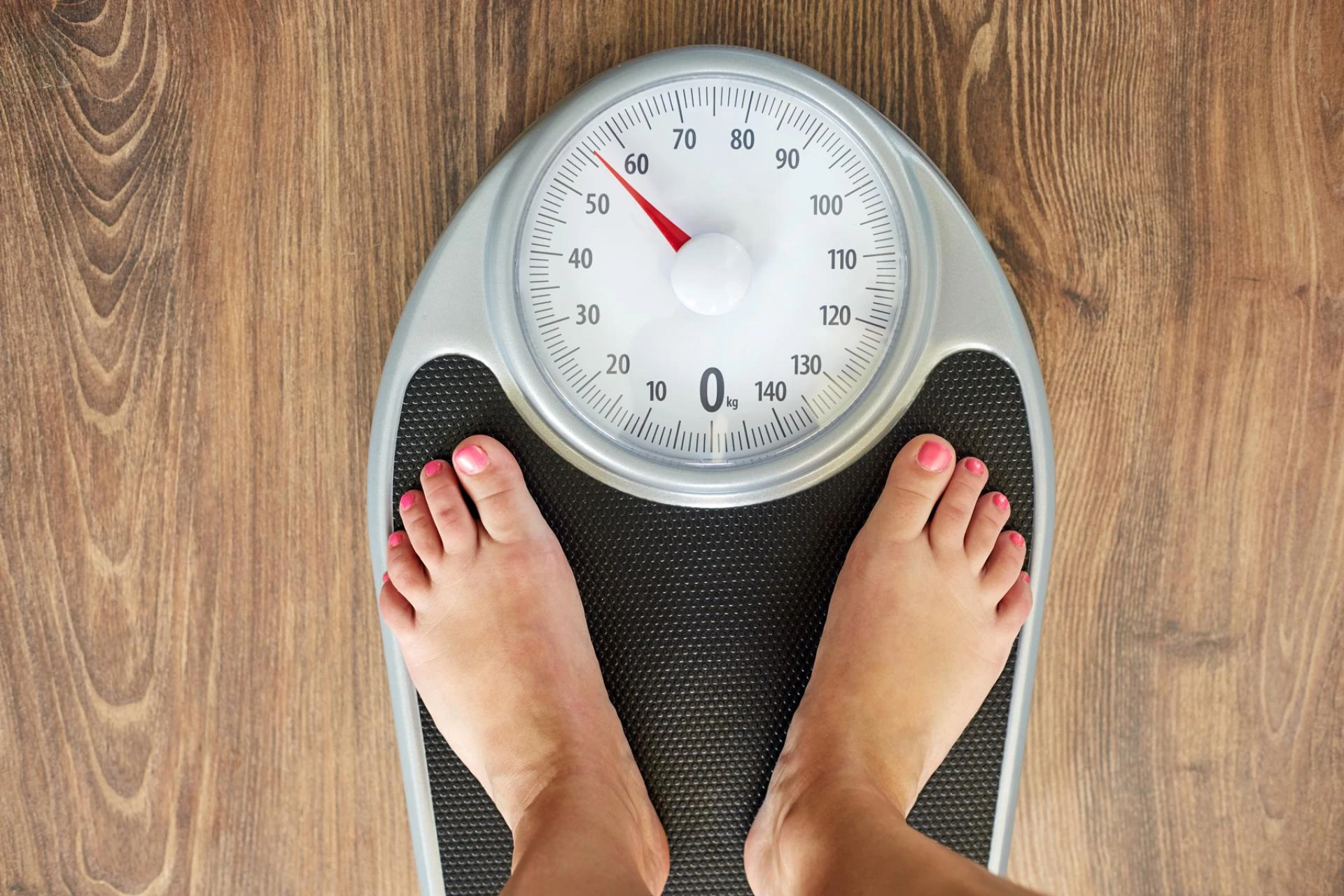

Embarking on a weight management journey is a commendable step towards a healthier lifestyle. Whether your goal is to lose weight, gain muscle, or just maintain a balanced lifestyle, monitoring your progress daily can be a game-changer. Tracking your weight management efforts helps you stay in check, identify what works and what doesn't, and make the necessary adjustments.
In this blog, we’ll explore why tracking weight management matters and some healthy ways to manage weight and incorporate tracking techniques effectively.
Why Tracking Your Weight Management Matters
Most individuals start their weight management journey with great enthusiasm but struggle to stay on track. Monitoring your daily routines helps in several ways:
- Accountability: Keeping track of meals, exercise, and weight will keep you on track with your goals. It makes you feel responsible and helps you stay committed. By logging your progress every time, you can identify areas where you need to improve and pat yourself on the back for your achievements.
- Motivation Boost: Monitoring progress, even small victories, can encourage you to keep going.
- Identifying Patterns: Tracking allows you to recognize habits that contribute to success or setbacks. By identifying trends in eating habits, the effectiveness of your workouts, and emotional triggers, you can make changes that will enhance your weight management strategy and maintain consistency in your routine.
- Improved Decision-Making: Knowing your eating patterns and physical activity levels helps you make healthier choices. With knowledge of what foods best fuel your body and which exercises work best for you, you can make informed decisions that align help with your goals and ensure long-term success.
However, tracking should be a supportive tool, not an addiction. It’s necessary to focus on progress rather than perfection.
Beyond the Scale: Comprehensive Tracking Methods
1. Measure Body Fat Percentage: Focusing only on scale weight can be misleading, as it fails to distinguish between muscle and fat mass. Knowing your body fat percentage provides a clearer picture of your fitness progress. It's possible to maintain the same weight while losing fat and gaining muscle, leading to a healthier body composition. Various methods, including bioelectrical impedance scales and callipers, are available to assess body fat content.
2. Track Body Measurements: Measuring specific body parts regularly provides tangible proof of physical changes. Track inches lost or gained around your waist, hips, thighs and arms.
Consistent tracking can reveal progress not readily visible on the scale.
3. Evaluate Clothing Fit: Noticing how your clothes fit can be a practical indicator of body changes. Looser clothes in certain areas may indicate fat loss, even if the scale doesn't show significant weight reduction.
4. Maintain a Fitness Journal: Documenting your workouts, eating habits, and mood can reveal insights into patterns affecting your progress. A fitness journal encourages accountability and highlights areas for improvement. Writing down your meals, including portion size, and nutritional content ensures sticking to a balanced diet.
5. Utilize Technology: Apps and wearable devices make tracking easier than ever. Here are some tools to consider:
- Fitness Apps: Apps such as MyFitnessPal and Lose It! And Cronometer helps track food intake and calorie tracking.
- Wearable Devices: Devices like Fitbit, Apple Watch, and Garmin track steps, heart rate, and workouts.
- Smart Scales: These devices measure weight along with body composition measurements such as fat percentage and muscle mass.
These devices offer detailed data to inform and adjust your weight management strategies.
Embrace Non-Scale Victories
Focusing solely on weight can be frustrating because of natural fluctuations influenced by factors like hydration and hormonal changes. Recognizing non-scale victories gives a better measurement of your progress:
- Enhanced Stamina: Improved endurance during physical activities.
- Better Sleep Quality: More restful and restorative sleep patterns.
- Elevated Mood: A greater sense of well-being and lower stress levels.
- Better Digestion: Regular and comfortable digestive processes.
Celebrating these accomplishments promotes a positive mindset and supports healthy habits.
Final Thoughts
Tracking your weight management progress need not be a daunting task. By using a combination of food journaling, smart technology, and mindful habits, you can stay on track without undue stress. Remember, balanced nutrition and a sustainable approach are essential to long-term success.
With the right mindset and nutritious choices like incorporating LightLife products, you can achieve your health goals while enjoying delicious, satisfying meals. Keep focusing on progress, not perfection, and celebrate every step of your journey!



























Sign in to leave a comment.