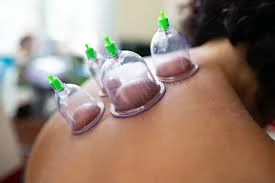
Cupping therapy is an old healing method that’s become popular again for staying healthy naturally. It uses special cups to suck on the skin, helping with different health benefits. This practice started thousands of years ago in places like ancient China, Egypt, and the Middle East. Today, people still use Traditional Cupping Therapy to ease pain, relax, and feel better overall.
Long ago, cupping was a way to fix the body’s energy and remove bad stuff to help it heal. Now, there are two main types: dry cupping, which just uses suction, and wet cupping, where small cuts let out a bit of blood. It can improve blood flow, loosen tight muscles, and lower stress, and some studies are starting to back this up.
People use cups made of glass, silicone, or bamboo, putting them on with heat or a pump. It’s usually safe, but you have to be careful not to get burns, bruises, or infections. Cupping keeps being popular because it’s simple and works well, mixing old ideas with today’s health needs for those who like natural ways to feel good.
The History of Cupping Therapy
The story of cupping therapy begins in antiquity, with evidence of its use dating back to some of the world’s earliest civilizations. In ancient Egypt, as early as 1500 B.C., cupping was documented in the Ebers Papyrus—one of the oldest known medical texts—as a treatment for a range of ailments, from fever to chronic pain. Egyptian healers viewed it as a way to restore balance within the body, a principle that would echo through the centuries.
Simultaneously, in ancient China, cupping became a cornerstone of Traditional Chinese Medicine (TCM). Practitioners believed it harmonized the body’s vital energy, or qi, by stimulating blood flow and removing blockages. Texts from the Han Dynasty (206 B.C.–220 A.D.) describe its use alongside acupuncture and herbal remedies, cementing its place in Eastern healing traditions. Meanwhile, in the Middle East, cupping—often called Hijama—took on spiritual significance, with references in Islamic teachings endorsing its therapeutic value.
As trade routes expanded, so did cupping’s reach. By the Middle Ages, it had found a foothold in Europe, where it was embraced as a remedy for everything from respiratory illnesses to rheumatism. Physicians like Hippocrates and Galen, foundational figures in Western medicine, praised its efficacy. However, with the advent of modern scientific medicine in the 19th century, cupping fell into obscurity, overshadowed by pharmaceuticals and surgical advancements. Its revival in the 21st century—spurred by endorsements from athletes like Michael Phelps during the 2016 Olympics and a growing interest in holistic health—has brought this ancient art back into the spotlight, blending tradition with contemporary wellness trends.
Types of Cupping Therapy
Cupping therapy is not a one-size-fits-all practice; it encompasses a variety of techniques, each tailored to specific needs and outcomes. Below are the primary types that have evolved:
⦁ Dry Cupping: The most common form, dry cupping involves placing cups on the skin to create a vacuum, lifting the skin and underlying tissues upward. This technique stands out for its benefits of relaxing tense muscles together with better blood circulation and bringing about relaxation. This method can be practiced by beginners because it does not require any invasive techniques.
⦁ Wet Cupping (Hijama): A more intensive technique, wet cupping integrates suction with controlled bloodletting. After initial suction, small incisions are made on the skin, and the cups are reapplied to draw out a modest amount of blood. Advocates claim it purges toxins, balances bodily humor, and boosts immunity—a belief rooted in ancient detoxification theories.
⦁ Fire Cupping: This traditional method uses heat to generate suction. A flame—typically from a cotton ball soaked in alcohol—is briefly introduced into a glass cup, consuming oxygen and creating a vacuum as it cools. Once placed on the skin, the cup delivers both suction and a gentle warming effect, often favored in TCM for its invigorating properties.
⦁ Silicone Cupping: A modern adaptation, silicone cupping employs flexible, squeezable cups that don’t require fire. The practitioner manually creates suction by compressing and releasing the cups. This versatility allows for dynamic application, such as gliding the cups over the skin, making it ideal for massage or lymphatic drainage.
⦁ Massage Cupping: Blending cupping with bodywork, this technique involves moving the cups across lubricated skin in a massage-like motion. The combination of suction and movement targets deeper tissues, offering relief from stiffness and promoting a fluid, relaxed state.
Each type reflects the adaptability of cupping, allowing practitioners to customize treatments based on individual preferences and therapeutic goals, making traditional cupping therapy a versatile option for many.
Benefits of Traditional Cupping Therapy
Traditional Cupping Therapy has made a big comeback because it helps people in many ways—body, mind, and even feelings. Here’s why so many love it for staying healthy naturally:
Pain Relief: One of the best things about cupping is how it eases pain. It brings more blood to sore spots, which lowers swelling and helps with things like long-term back pain, headaches, or muscle aches after a workout. Some studies say it might even release endorphins, which are the body’s own painkillers, making you feel better.
Relaxation and Less Stress: The soft pull of the cups and the quiet time during a session calm your nerves. People often say it feels like meditation, helping them unwind from the busy, stressful world.
Better Blood Flow: The suction pulls blood to the skin, sending more oxygen to your tissues and clearing out waste. This can speed up healing, make you less tired, and give your body a fresh boost.
Detox Help: Fans of wet cupping say it gets rid of old blood and junk in your system, giving your liver and kidneys a hand with their cleanup jobs. Science isn’t fully sure yet, but lots of people feel refreshed after.
Boost for Athletes: Sports stars use cupping to recover faster. The extra blood flow fixes muscles quicker, and looser muscles keep them flexible—super important for staying at the top of their game.
Help with Breathing: Long ago, cupping was used for colds and lung problems. It might break up mucus and make breathing easier for things like asthma or bronchitis when done on the chest or upper back.
Healthier Skin: More blood to the skin can make it look and feel better, maybe even helping with acne or cellulite. The lifting from the cups might also help your skin make more collagen over time.
Feeling Good Inside: Cupping doesn’t just help your body—it can lift your mood, too. The calm it brings can lower anxiety and leave you feeling steady and happy after a session.
With all these perks, it’s easy to see why Traditional Cupping Therapy keeps winning fans for total wellness.
The Cupping Process
Curious about what a cupping session entails? Here’s a step-by-step guide to demystify the experience:
⦁ Consultation: Your journey begins with a conversation. The therapist will ask about your health history, current concerns, and goals—whether it’s pain relief or relaxation—to personalize the session.
⦁ Preparation: The treatment area is cleaned, and oil may be applied to facilitate cup movement or enhance suction. For wet cupping, sterile tools are prepared, and the process is explained in detail.
⦁ Application of Cups: Cups are placed strategically—often on the back, shoulders, or legs. You’ll feel a tugging sensation as the vacuum forms, which may be mildly intense but shouldn’t hurt. The cups may stay in place or glide across the skin, depending on the technique.
⦁ Duration: Sessions typically last 5 to 15 minutes per area. During this time, you’re encouraged to relax, breathe deeply, and let the therapy work its magic.
⦁ Post-Treatment Care: Afterward, the therapist may recommend drinking water, avoiding strenuous activity, or applying a soothing balm to the skin. You’ll likely leave with circular marks—temporary badges of the healing process.
Safety and Considerations
Cupping is generally safe, but mindfulness is key to a positive experience. Consider these guidelines:
⦁ Choose a Qualified Practitioner: Seek a licensed professional with training in cupping. Certification ensures they understand anatomy, hygiene, and technique.
⦁ Discuss Medical Conditions: Share any health issues—like diabetes, heart disease, or skin sensitivities—with your therapist. Cupping isn’t advised for those with bleeding disorders or active infections.
⦁ Expect Temporary Marks: The circular marks left by cups, caused by broken capillaries beneath the skin, are normal and fade within days to a week. They’re not bruised, despite their appearance.
⦁ Avoid Cupping If Pregnant: Pregnant women should steer clear, as the effects on fetal development are unstudied and potentially risky.
⦁ Listen to Your Body: Mild discomfort is common, but sharp pain isn’t. Communicate with your therapist if anything feels off.
Conclusion
Traditional Cupping Therapy proves that old healing ways still hold strong today. Starting thousands of years ago in places like Egypt and China, it’s now back and helping people everywhere. Whether you want to stop pain, calm your mind, or feel more alive, this simple method has something for you. It’s a link between what worked long ago and what we need now—a natural, proven way to feel better.
The beauty of cupping lies in its flexibility. It can ease sore muscles, lift your mood, or even help you breathe easier, all with just cups and suction. It’s not a fad; it’s a practice that’s lasted because it works for so many. A person will gain the most benefits by using this approach alongside a person who performs it properly and with genuine heart involvement. The acceptance of this medical practice could generate unanticipated health-related benefits.
So, give Traditional Cupping Therapy a chance. Using this peaceful traditional method will help restore your equilibrium and provide you with a brand new beginning. This minimalist step has the ability to start major rehabilitation in your wellness path.
























Sign in to leave a comment.