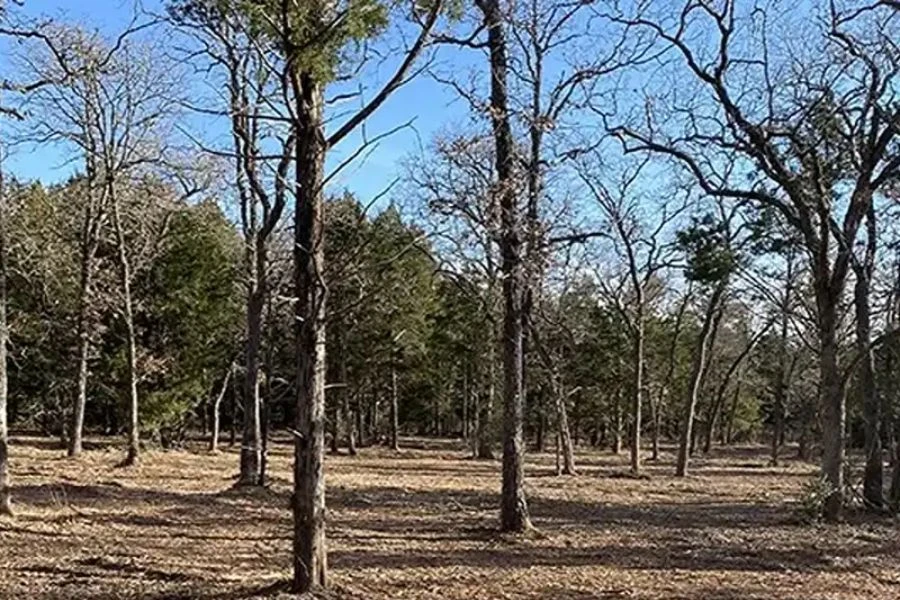

Calgary’s landscapes are diverse, ranging from urban outskirts to wooded acreage and rural properties. As more landowners develop their properties, maintaining clear and safe access becomes essential. Trail cutting is a strategic solution that ensures pathways are usable, safe, and environmentally responsible.
Trail cutting involves the selective removal of vegetation to create accessible paths for walking, ATV use, horseback riding, or equipment access. Unlike full-scale land clearing, trail cutting focuses on narrow corridors and careful vegetation management, preserving the surrounding ecosystem.
Why Trail Cutting Matters
Overgrown trails can present safety hazards, block access, and make property management difficult. Trail cutting addresses these challenges by:
- Improving visibility and safety along pathways
- Reducing hazards caused by uneven terrain, fallen branches, or dense brush
- Preventing overgrowth that can damage fencing, infrastructure, or natural habitats
- Enhancing accessibility for property maintenance, recreational use, and emergency response
For Calgary property owners, trail cutting is a proactive step toward better land management and safer outdoor spaces.
Trail Cutting Methods
Modern trail cutting utilizes specialized equipment designed to clear vegetation precisely without damaging surrounding areas. Techniques include:
- Selective brush removal: Clearing overgrown brush while leaving mature trees intact
- Ground leveling: Smoothing uneven surfaces to improve trail usability
- Mulching: Grinding vegetation into mulch that protects soil and reduces erosion
- Directional clearing: Maintaining natural drainage and preventing long-term soil disturbance
These methods ensure that trails are functional, safe, and environmentally responsible.
Applications of Trail Cutting in Calgary
Trail cutting is versatile and can serve multiple purposes:
- Residential Properties: Creating safe pathways around homes or acreage.
- Agricultural Land: Improving access for equipment, grazing, or crop management.
- Recreational Use: Developing trails for hiking, horseback riding, or ATV paths.
- Emergency and Utility Access: Ensuring fire trucks, maintenance crews, or service vehicles can reach remote areas.
Properly cut trails allow landowners to maximize the usability and value of their property without compromising natural features.
Environmental Considerations
Trail cutting must balance accessibility with environmental stewardship. Excessive clearing can lead to soil erosion, habitat disruption, and long-term degradation. By applying selective clearing and mulching, property owners can:
- Minimize soil disturbance
- Protect native vegetation and wildlife
- Maintain natural drainage and prevent erosion
- Reduce the need for repeated clearing
Responsible trail cutting aligns with Calgary’s growing emphasis on sustainable land management practices.
Planning a Trail Cutting Project
Before starting trail cutting, property assessment is essential. Consider factors like:
- Terrain and slope
- Vegetation density
- Intended use of trails
- Seasonal conditions
Proper planning ensures the trails are durable, safe, and aligned with long-term land management goals.
Professional Support
Landowners looking for guidance and professional trail cutting solutions can rely on New West Contracting. Experienced operators ensure that trails are cleared efficiently, safely, and with minimal environmental impact.
Professional support also helps with equipment handling, route planning, and compliance with local regulations.
Long-Term Maintenance
Trail cutting is not a one-time task. Regular maintenance is key to keeping pathways safe and usable. Scheduled inspections and minor touch-ups prevent overgrowth and maintain trail integrity over time. With consistent maintenance, trails can remain accessible year-round and support both recreational and functional needs.
Frequently Asked Questions (FAQs)
What is trail cutting?
Trail cutting is the selective removal of brush, small trees, and vegetation to create safe, accessible pathways.
Is trail cutting environmentally safe?
Yes, modern techniques minimize soil disturbance, protect native vegetation, and prevent erosion.
How often should trails be maintained?
Maintenance depends on vegetation growth but is typically done seasonally or annually.
Can trail cutting improve property value?
Yes, well-maintained trails improve usability, safety, and overall property appeal.
Is professional trail cutting necessary?
Professional operators ensure safety, efficiency, and minimal environmental impact.



























Sign in to leave a comment.