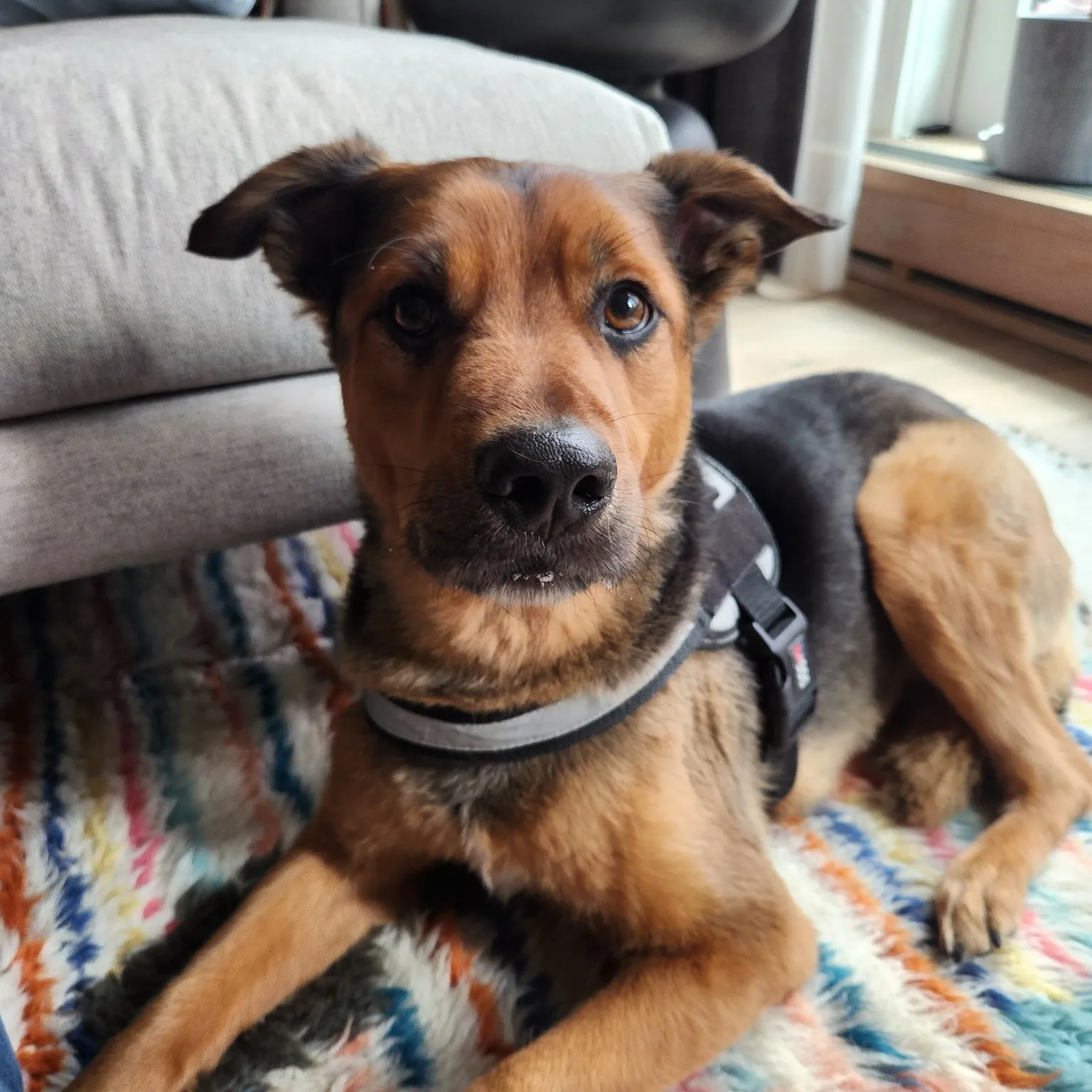

A life with a dog in any overcrowded urban area like Dublin is a rewarding journey, one filled with challenges and requiring some skills. Our dogs are bombarded with different stimuli from the densely populated footpaths in City Centre to wide-open plaine like Phoenix Park. A dog trainer Dublin professional will help you understand that a lot more goes into a dog than obedience; they must learn to be comfortable in the human world without fear or anxiety.
In this guide, we explore the most common questions owners have about dog training, with an emphasis on techniques that foster trust and deliver real-world results.
What is the premise of modern-day dog training?
Modern training does not follow the “dominance” models of old. The best practitioners nowadays employ Positive Reinforcement. It’s science-based in that we use positive reinforcement for behaviours we want (like a loose lead), and manage the environment to avoid ones we don’t. This work is done with treats, play, or praise that gives us a dog who wants to listen. This breeds empathy at Dognitive, ensuring the dog is a happy, voluntary participant in their education.
In what ways does city living impact a dog’s stress levels?
Dublin is a high-stimulus environment. A dog living in a multi-storey apartment in the Docklands or a terraced house in Stoney batter is subjected to continuous noise sirens, the Luas and heavy footfall. This can result in “trigger stacking,” when a dog gets overwhelmed by a series of little stressors. A dog trainer in Dublin assesses your triggers and teaches your dog “neutrality” the ability to respond to various stimuli around the city without needing to react, or bark at them.
My dog ignores me when we are out in public.
This is often a question of “competing motivators.” To a dog, a squirrel in Herbert Park is far more interesting than a piece of dry kibble. Training involves building "engagement." We’ll play games that reward checking in with the owner more than sniffing the ground. You will have the only interesting thing in your dog’s environment, and they will listen to you despite all the distractions in this world.
But: Can a trainer assist for “Lead Reactivity”?
Yes. Reactivity (barking, or lunging at other dogs while attached to a lead) is typically based in fear or frustration. The lead inhibits the dog's instinctual flight response, only has fight left to expand its nominal bubble. This technique we use is called "Counter-Conditioning." Each time your dog sees another dog at a distance they successfully ignore, they earn a high-value reward. Their emotional response rolls over at last from “Oh no, a dog!” to “Brilliant, a treat is coming!”
What is the “Place” command and why is it so important for Dublin’s homes?
The “Place” command teaches a dog to go to a specific mat or bed and stay there until you release them. In smaller homes or apartments within Dublin, this is a godsend. It stops the dog bolting to the front door when they can hear the postman and gives them a safe “anchor” when you have guests come around or if you’re at a dog-friendly café.
What is the real daily training requirement?
People believe that in order to do so, they need to train every day for an hour. Actually, three to four 5-minute sessions are way more effective. Dogs’ attention spans are short, and “keeping it short and sweet means they won’t get so bored,” Ms. Decker said. You can even “ditch the bowl,” using your dog’s daily meals over the course of several short training bursts, turning every mealtime into an opportunity for bonding and learning.
Now, we realize we need to train the dog.
Although puppies are sponges, adult dogs can absolutely learn new behaviours. Training however, is actually one of the best things you can do for a rescue dog to help them transition to whatever it is they are familiar and comfortable with. It gives them a “rule book” for their new life, which greatly lessens the anxiety typically felt around being rehomed.
What should I consider when selecting a professional?
Transparency is key. A dog trainer Dublin expert should be able to explain the science behind his methods. They should also be members of relevant professional bodies, and their priority should always be the welfare of the dog. With the resources to be found at Dognitive, you will discover a team who educates dogs force-free, in a playful and effective manner while honouring every dog's individual spark.



























Sign in to leave a comment.