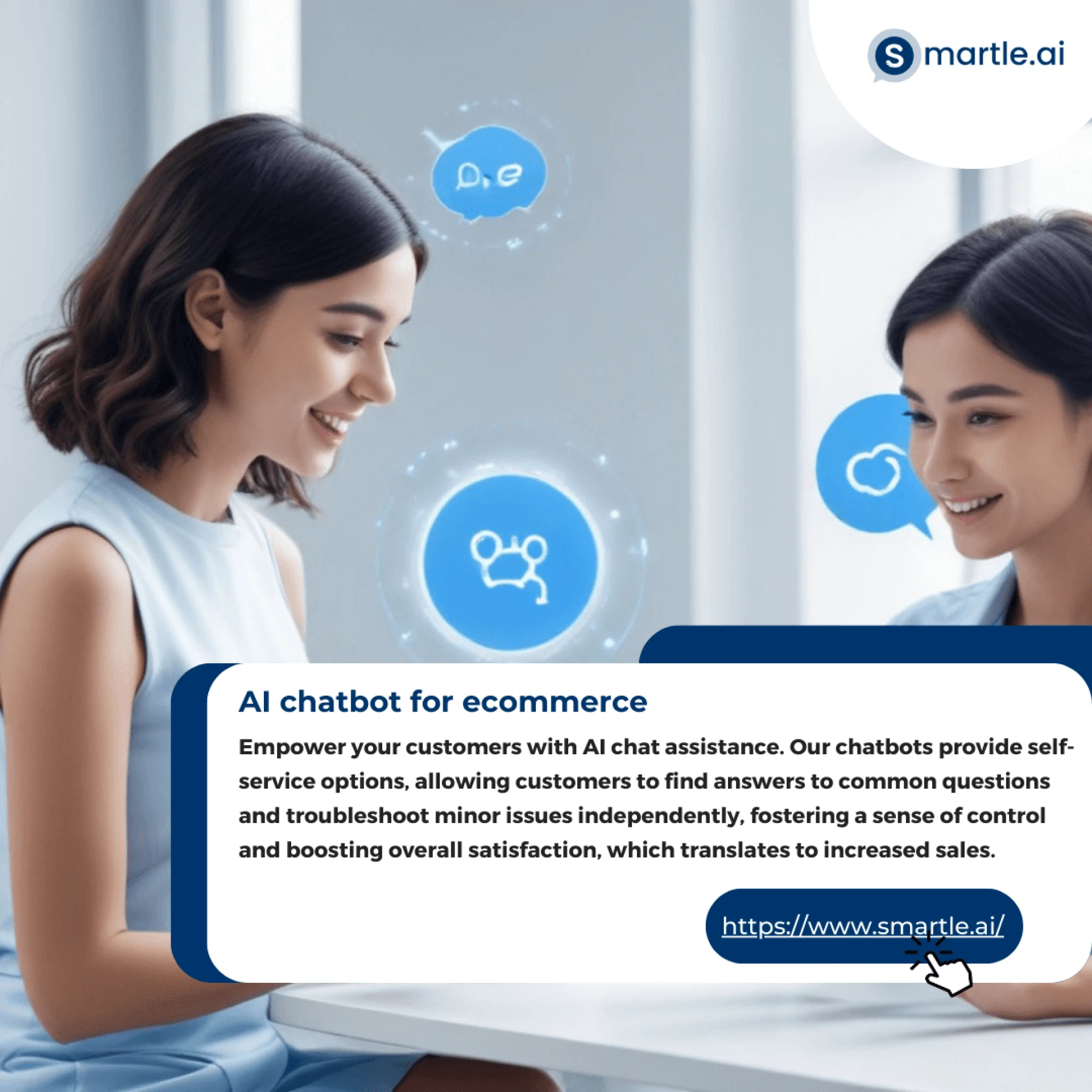

Introduction to AI Chatbots
In our rapidly evolving world, AI chatbots are revolutionizing business operations across a range of industries. These digital helpers utilize conversational AI to boost user engagement, optimize processes, and provide round-the-clock support. But what are AI chatbots, and how have they advanced over time? Let’s explore their pivotal role in contemporary industries.
Understanding AI Chatbots
An AI chatbot is essentially a software designed to mimic human conversation. Through algorithms and machine learning, these chatbots can understand and respond to user inquiries, making the interaction as natural as conversing with a person. Conversational AI powers these bots, allowing them to generate context-based responses.
The Development of Conversational AI
Conversational AI has significantly progressed since the days of rule-based chatbots that followed simple if-then rules. Today’s AI chatbots use sophisticated natural language processing (NLP) and machine learning to understand and produce more refined responses. This advancement enhances their ability to interpret user intent and provide accurate answers.
Advantages of AI Chatbots in Various Sectors
AI chatbots deliver numerous benefits across different industries, from boosting efficiency to improving customer interaction. Let’s see how these advantages unfold in specific sectors.
Efficiency and Cost Reduction
A major benefit of AI chatbots is their capacity to manage repetitive tasks and queries. By automating these activities, companies can lower operational costs and assign human resources to more complex duties. For instance, a chatbot can handle thousands of customer inquiries at once, a feat human staff could not achieve efficiently.
Continuous Customer Support
With AI chatbots, businesses are no longer restricted to traditional working hours. These chatbots provide 24/7 customer support, enhancing customer satisfaction by ensuring timely assistance regardless of time zones.
Personalization and User Engagement
AI chatbots can offer personalized user experiences by analyzing past interactions and preferences. This level of personalization helps engage users more effectively, whether by recommending products based on browsing history or providing customized responses to inquiries.
AI Chatbot Uses in Different Industries
Here are some ways AI chatbots are transforming various sectors:
Healthcare
AI chatbots are reshaping the healthcare industry by simplifying patient interactions and offering valuable information.
Patient Scheduling and Support: Chatbots manage patient scheduling, reminders, and follow-ups, easing the administrative load on medical staff and ensuring timely patient care.
Medical Information and Advice: They provide preliminary medical advice, helping patients understand symptoms and guiding them to suitable care, complementing professional medical consultation.
Retail
In retail, AI chatbots enhance customer service and operational efficiency.
Customer Service and Sales Support: Chatbots handle product inquiries, order tracking, and returns, speeding up customer service and boosting sales by providing instant support.
Inventory Management and Reordering: Chatbots manage inventory and automate reordering by analyzing sales data, predicting stock levels, and generating purchase orders to ensure product availability.
Finance and Banking
The finance sector uses AI chatbots to improve customer experience and security.
Account Management and Queries: Chatbots assist with account management, transaction information, and frequently asked questions, helping customers manage their finances more efficiently.
Fraud Detection and Prevention: Chatbots help detect fraud by analyzing transaction patterns and alerting users or institutions of suspicious activity, thus protecting sensitive financial data.
Education
In education, AI chatbots support students and administrative staff.
Student Assistance and Tutoring: Chatbots offer academic support, answer course content questions, and provide tutoring, especially useful for distance learning and out-of-hours support.
Administrative Support: Educational institutions use chatbots for tasks like enrollment, scheduling, and responding to common queries, reducing administrative workload and improving efficiency.
Challenges and Considerations
Despite their benefits, AI chatbots face challenges that need addressing.
Privacy and Security Concerns
Handling sensitive information makes privacy and security crucial. Ensuring that AI chatbots comply with data protection regulations and implement strong security measures is essential for maintaining user trust.
Integration with Existing Systems
Integrating AI chatbots with current systems can be complex. Businesses must ensure chatbots seamlessly interact with other software and databases to deliver a unified user experience.
Maintaining a Human Touch
AI chatbots can lack the empathy and nuanced understanding of human interactions. Balancing automation with a human touch is vital for providing a satisfying customer experience.
Future Trends in AI Chatbots
Several trends are shaping the future of AI chatbots.
Advanced Natural Language Processing
As NLP technology progresses, AI chatbots will become even better at understanding and generating human-like responses, leading to more natural interactions.
Multi-Channel Interactions
Future AI chatbots will likely operate across various channels, including social media, messaging apps, and voice assistants, enhancing user accessibility and engagement.
Conclusion
AI chatbots are transforming industries by providing efficiency, personalized experiences, and 24/7 support. Their applications span from healthcare to finance, making a significant impact. As technology advances, AI chatbots will become even more crucial to business operations, driving innovation and enhancing user experiences. Embracing these digital assistants can help businesses remain competitive and meet the evolving needs of their customers.
FAQs
What industries benefit the most from AI chatbots? AI chatbots benefit sectors like healthcare, retail, finance, and education by improving efficiency, customer service, and operational processes.
How do AI chatbots improve customer service? AI chatbots provide instant responses, handle multiple inquiries simultaneously, and offer personalized interactions, enhancing overall customer service.
Are AI chatbots secure? AI chatbots can be secure if they follow data protection regulations and implement robust security measures to protect sensitive information.
Can AI chatbots replace human jobs? While AI chatbots automate certain tasks, they are meant to complement human work, not replace it. They handle repetitive tasks, allowing humans to focus on more complex and creative activities.
What are some future trends in AI chatbots? Future trends include advanced natural language processing, multi-channel interactions, and further integration with emerging technologies to enhance user experiences.


























Sign in to leave a comment.