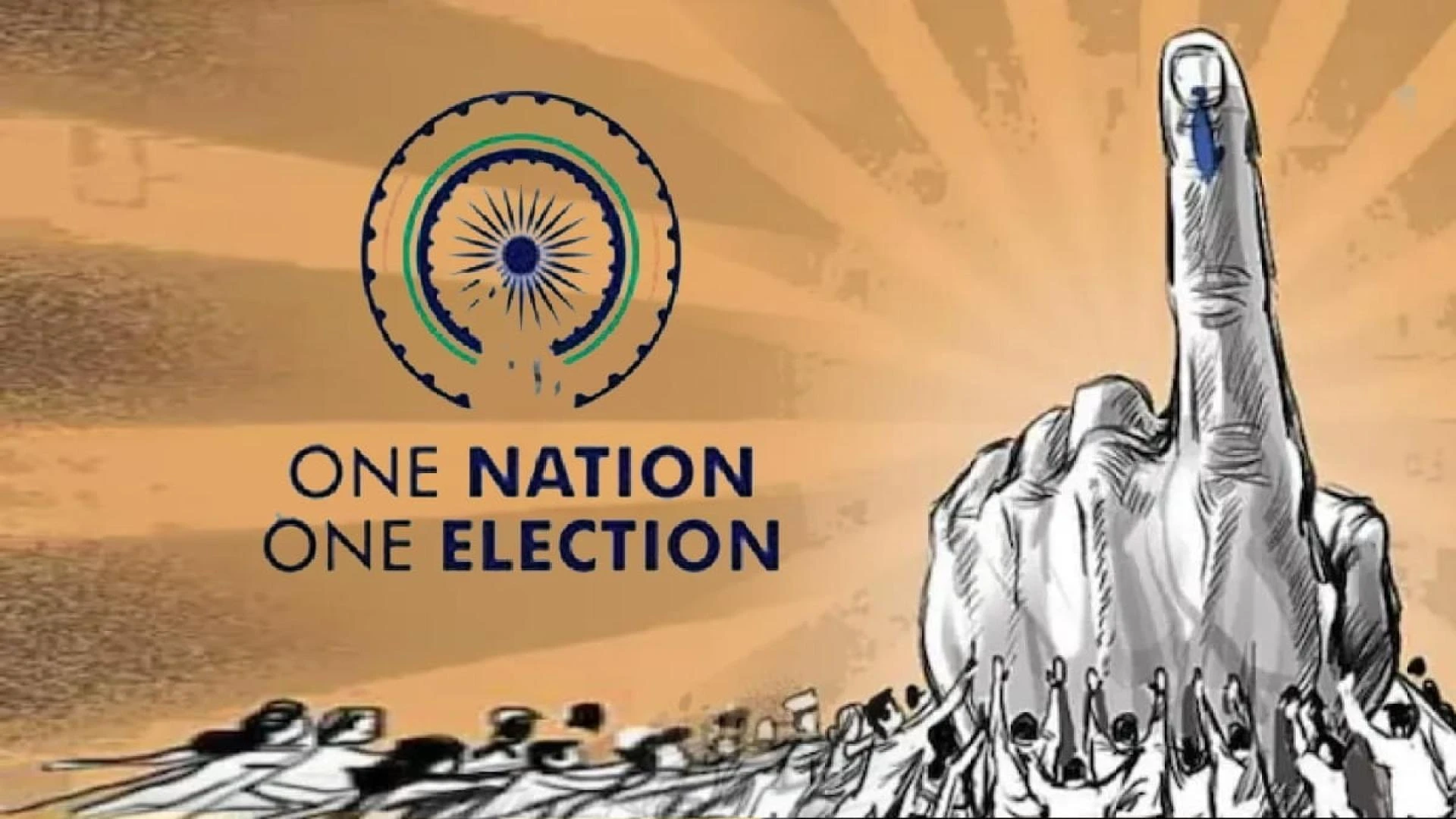

In a significant move towards reforming the Indian electoral landscape, the concept of "One Nation One Election" has been unveiled, marking a potential paradigm shift in the country's governance. The idea revolves around synchronizing the Lok Sabha (parliamentary) and state legislative elections to be held simultaneously, aiming to streamline the electoral process and enhance administrative efficiency. This bold initiative has sparked widespread debate and discussion, with proponents lauding it as a game-changer for the nation's governance structure.
The Rationale Behind One Nation One Election:
The primary motivation behind the One Nation One Election concept lies in addressing several challenges associated with the current electoral system. India, being a federal democracy, witnesses elections at multiple levels – local, state, and national. The staggered election schedule not only puts a strain on resources but also leads to prolonged periods of electioneering, diverting attention and resources from crucial governance issues.
Proponents argue that synchronized elections will lead to cost savings, reduce the burden on the Election Commission, and provide a stable political environment conducive to long-term policy planning. Additionally, it is believed that this reform could curtail the influence of money power in elections, as parties would have to strategize and allocate resources more efficiently for a single election cycle.
Advantages of One Nation One Election:
Cost Efficiency: Conducting elections is an expensive affair, involving massive financial resources. One Nation One Election could significantly reduce costs associated with multiple elections by consolidating them into a single event, thus optimizing the utilization of funds.
Enhanced Governance Focus: With elections held simultaneously, governments at both the state and national levels can concentrate on governance without frequent interruptions caused by electoral campaigns. This is expected to lead to more stable and effective policymaking.
Reduced Disruption: Frequent elections often disrupt normal life, affecting economic activities and administrative functions. One Nation One Election aims to minimize these disruptions, allowing for a more consistent and focused approach to governance.
Resource Optimization: Synchronized elections would streamline the deployment of security forces, election machinery, and other resources. This could lead to better utilization of manpower and infrastructure, ensuring a smoother electoral process.
Challenges and Criticisms:
Despite its potential advantages, the One Nation One Election concept faces several challenges and criticisms. One major concern is the constitutional and logistical complexities associated with aligning elections at different levels. Critics argue that such synchronization may compromise the federal structure by diminishing the states' autonomy.
Another critique revolves around the potential dilution of regional issues. Synchronized elections may overshadow local concerns with national narratives, making it challenging for regional parties to articulate their distinct agendas.
Conclusion:
The unveiling of the One Nation One Election concept marks a crucial step towards transforming governance in India. While the advantages of cost efficiency, enhanced governance focus, and reduced disruption are evident, addressing the challenges and criticisms will be pivotal for the successful implementation of this reform. The debate surrounding this initiative reflects the ongoing quest for innovations in governance that can adapt to the evolving needs of the world's largest democracy. Only time will tell if One Nation One Election becomes a catalyst for a more efficient and streamlined electoral process or if further refinements are required to strike the right balance between national and regional dynamics.




































Sign in to leave a comment.