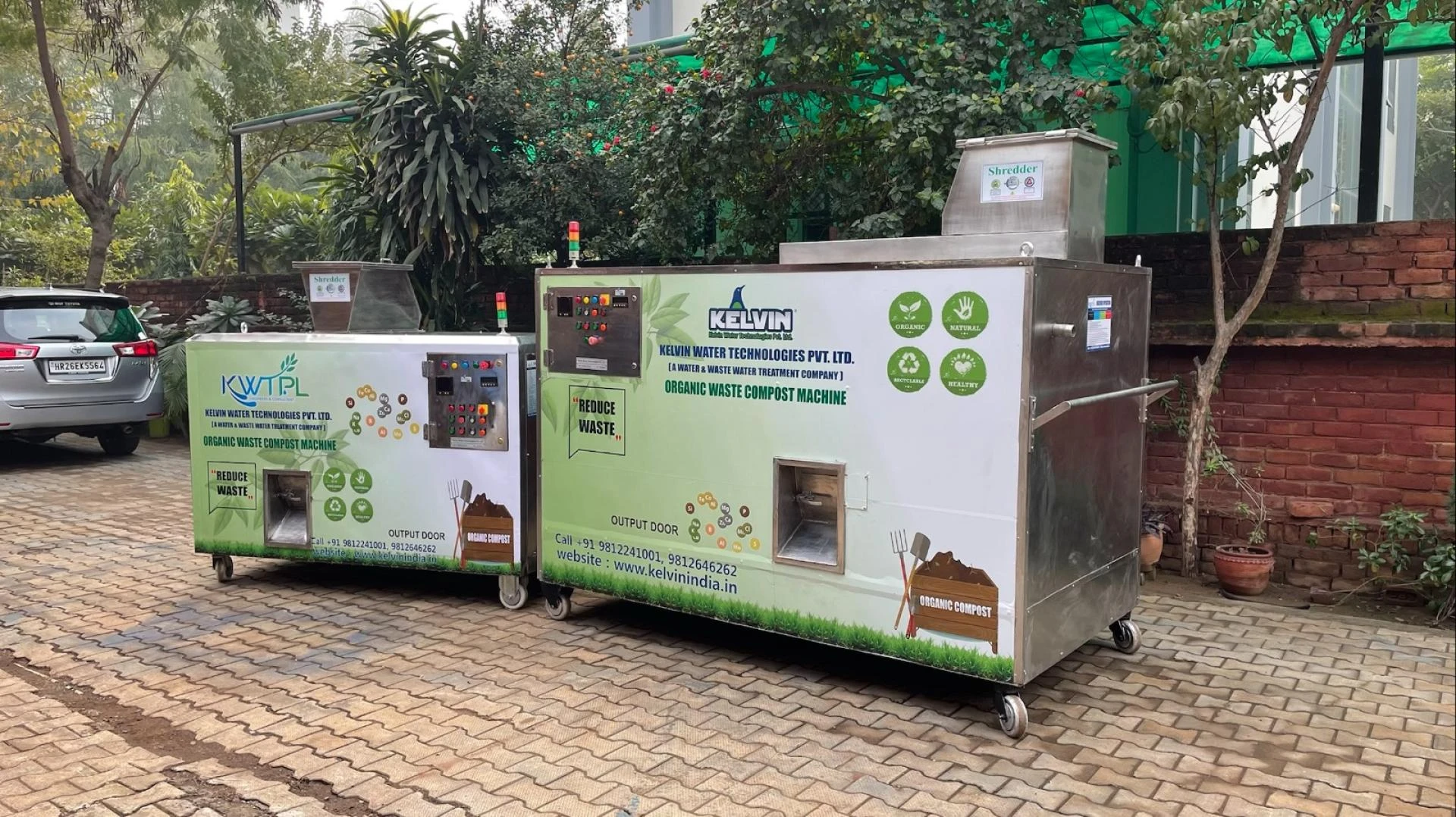

In our journey towards sustainability, one of the most impactful steps we can take is to transform our organic waste into a valuable resource. Enter the humble yet revolutionary tool: the organic waste composter. These devices not only help reduce waste but also produce nutrient-rich compost that can nourish our soils and plants. Let’s delve into the world of organic waste composters and explore why they are essential for a greener future.
What is an Organic Waste Composter?
An organic waste composter is a device designed to accelerate the natural process of decomposition of organic materials such as food scraps, yard trimmings, and other biodegradable wastes. By providing an optimal environment of moisture, aeration, and temperature, these composters encourage the growth of microorganisms that break down organic matter into compost.
How Does an Organic Waste Composter Work?
Input of Organic Waste: You start by adding organic waste with waste converter machine materials into the composter. This can include fruit and vegetable scraps, coffee grounds, eggshells, garden trimmings, and even paper products like napkins and cardboard.
Microbial Action: Inside the composter, naturally occurring microorganisms such as bacteria and fungi get to work. They break down complex organic molecules into simpler forms through a process called decomposition.
Composting Process: As the organic matter decomposes, it generates heat. This heat, along with the right mix of oxygen and moisture, creates an ideal environment for microbial activity. Over time, the organic waste transforms into compost.
Harvesting Compost: Once the composting process is complete (typically a few weeks to a few months depending on conditions), you have nutrient-rich compost ready to use in your garden, potted plants, or landscaping.
Benefits of Using an Organic Waste Composter:
Reduction of Waste: Composting diverts organic waste from landfills, reducing greenhouse gas emissions such as methane.Nutrient-Rich Soil Amendment: Compost improves soil structure, fertility, and water retention. It provides essential nutrients for plant growth and promotes beneficial soil organisms.Cost Savings: By composting, you reduce the need for chemical fertilizers and waste disposal costs.Environmental Impact: Composting contributes to sustainable waste management, conserves landfill space, and helps mitigate climate change.
Types of Organic Waste Composters:
Bin Composters: Simple containers for backyard use, available in various sizes and materials like plastic or wood.
Tumbling Composters: These rotate or tumble to aerate and mix the composting materials, speeding up the decomposition process.
Vermicomposters: Use worms to break down organic waste quickly, ideal for smaller spaces like apartments or kitchens.
Automatic Composting Machines: OWC omposting machine for larger-scale composting operations, often used in commercial settings.
Tips for Effective Composting:
Balanced Input: Maintain a balance of "browns" (carbon-rich materials like leaves, paper) and "greens" (nitrogen-rich materials like food scraps, grass clippings).Aeration: Turn or mix the compost regularly to aerate and distribute oxygen, which speeds up decomposition.Moisture Control: Avoid Waterlogged and Keep the compost moist. Adjust moisture levels as needed, especially during dry or rainy periods.
Closing Thoughts:
OWC machine more than just devices; they represent a commitment to sustainability and environmental stewardship. By composting our organic waste, we close the loop on our consumption habits, turning what would be trash into valuable "black gold" for our soils. Whether you're composting in your backyard or exploring larger-scale solutions, every effort counts towards a healthier planet for future generations.
Join the composting revolution today and witness firsthand how a small act can make a big difference in building a greener, more sustainable world. Happy composting!



























Sign in to leave a comment.