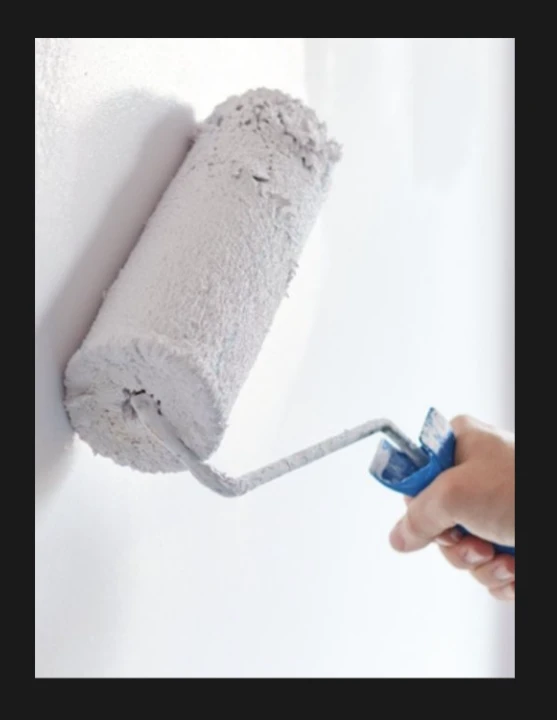

A well-designed interior is more than just furniture and décor—it’s about atmosphere, comfort, and personality. One of the most effective ways to transform any living space is through interior painting. Whether you want to refresh outdated walls, increase property value, or create a completely new mood, paint has the power to redefine your home.
In this guide, we’ll explore everything you need to know about interior painting, from choosing the right colors to understanding the benefits of professional interior house painting services.
Why Interior Painting Matters
Interior painting is often underestimated, yet it plays a crucial role in shaping how a space feels and functions. Color influences mood, perception, and even productivity.
Key Benefits of Interior Painting
- Enhances aesthetics: Fresh paint instantly improves the look of any room
- Boosts property value: A well-painted home attracts buyers and increases resale value
- Protects surfaces: Paint acts as a barrier against dust, moisture, and wear
- Improves indoor air quality: Modern paints can reduce harmful chemicals
- Reflects personality: Colors express your style and preferences
A simple coat of paint can make a room feel larger, brighter, cozier, or more sophisticated—depending on your goals.
Choosing the Right Colors
Selecting the right color palette is one of the most important steps in interior painting. The wrong choice can make a room feel uncomfortable, while the right one enhances its purpose.
Popular Color Trends
- Neutral tones: White, beige, and gray remain timeless and versatile
- Earthy shades: Greens, browns, and terracotta create a calming environment
- Bold accents: Deep blues, charcoal, and burgundy add drama
- Pastels: Soft pinks and blues provide a light and airy feel
How to Choose the Perfect Color
Consider the following factors:
- Room size: Light colors make spaces appear larger
- Lighting: Natural and artificial light affect how colors look
- Function: Bedrooms benefit from calming tones, while kitchens can handle brighter shades
- Existing décor: Match or complement furniture and flooring
Testing paint samples on your walls before committing is always a smart move.
Types of Paint Finishes
The finish of your paint affects both appearance and durability. Choosing the right one is just as important as selecting the color.
Common Paint Finishes
- Matte (flat): Ideal for hiding imperfections, best for low-traffic areas
- Eggshell: Slight sheen, suitable for living rooms and bedrooms
- Satin: Durable and easy to clean, perfect for hallways and kitchens
- Semi-gloss: Moisture-resistant, great for bathrooms and trim
- Gloss: Highly reflective and durable, used for accents and furniture
Each finish serves a specific purpose, so mixing finishes within your home can create both practicality and visual interest.
Preparing Your Space for Painting
Preparation is key to achieving a flawless finish. Skipping this step can lead to uneven results and reduced durability.
Essential Preparation Steps
- Clean the walls: Remove dust, grease, and stains
- Repair imperfections: Fill cracks and holes
- Sand surfaces: Ensure smooth application
- Apply primer: Helps paint adhere and enhances color
- Protect furniture and floors: Use drop cloths and tape
Proper preparation can make the difference between a professional-looking result and a disappointing one.
DIY vs Professional Painting
Many homeowners consider painting a DIY project, but it’s not always as simple as it seems.
DIY Painting
Pros:
- Lower upfront cost
- Flexible schedule
- Personal satisfaction
Cons:
- Time-consuming
- Requires tools and skills
- Risk of uneven results
Professional Painting
Hiring experts ensures quality, efficiency, and long-lasting results. This is where interior house painting services become invaluable.
Professionals bring:
- Experience and precision
- High-quality materials
- Proper surface preparation
- Efficient project completion
While the initial cost may be higher, the results often justify the investment.
The Process of Professional Interior Painting
Understanding how professionals work can help you set expectations and plan your project.
Step-by-Step Process
- Consultation and color selection
- Surface inspection and preparation
- Priming walls
- Applying multiple coats of paint
- Final touch-ups and cleanup
Professionals ensure every detail is handled, from sharp edges to consistent coverage.
How Interior Painting Affects Mood
Color psychology plays a significant role in interior design. Different colors evoke different emotions.
Color and Emotion
- Blue: Calmness and relaxation
- Yellow: Energy and positivity
- Green: Balance and harmony
- Red: Passion and intensity
- Gray: Sophistication and neutrality
Choosing the right color for each room can enhance your daily experience at home.
Common Interior Painting Mistakes
Avoiding common mistakes can save time, money, and frustration.
Mistakes to Watch Out For
- Skipping primer
- Using the wrong finish
- Ignoring lighting conditions
- Applying uneven coats
- Rushing the drying process
Attention to detail is essential for achieving professional-quality results.
Budgeting for Interior Painting
The cost of interior painting varies depending on several factors.
Factors That Influence Cost
- Size of the area
- Type of paint used
- Labor costs
- Surface condition
- Number of coats required
Tips to Stay Within Budget
- Plan ahead and get multiple estimates
- Choose quality paint to reduce repainting
- Focus on high-impact areas first
Investing wisely ensures long-term satisfaction.
Eco-Friendly Painting Options
Sustainability is becoming increasingly important in home improvement.
Green Painting Choices
- Low-VOC or zero-VOC paints
- Recycled paint products
- Sustainable tools and materials
These options reduce environmental impact and improve indoor air quality.
Maintaining Painted Walls
Proper maintenance helps your walls look fresh for years.
Maintenance Tips
- Clean walls regularly with a soft cloth
- Avoid harsh chemicals
- Touch up small areas when needed
- Repaint high-traffic areas periodically
Taking care of your walls extends the life of your paint job.
When to Repaint Your Interior
Knowing when to repaint can prevent your home from looking worn or outdated.
Signs It’s Time to Repaint
- Fading or discoloration
- Peeling or cracking paint
- Visible stains
- Outdated color schemes
Most interiors benefit from repainting every 5–7 years, depending on usage.
Final Thoughts
Interior painting is one of the most powerful and cost-effective ways to transform your home. From enhancing aesthetics to improving functionality, a fresh coat of paint can make a significant difference.
While DIY projects can be rewarding, professional interior house painting services offer unmatched quality, efficiency, and long-lasting results. Whether you’re updating a single room or redesigning your entire home, investing in the right approach ensures a beautiful and comfortable living space.
By choosing the right colors, finishes, and techniques, you can create an environment that reflects your personality and meets your needs—turning your house into a true home.






















Sign in to leave a comment.