
Are you dreaming of a perfect smile with straight, well-aligned teeth? You're not alone. Many people seek orthodontic treatment to achieve precisely that. In this comprehensive guide, we'll explore the world of teeth straightening and orthodontics, shedding light on the various treatment options, their benefits, and what you can expect during your journey to a radiant, confident smile.
Why Straight Teeth Matter
Before delving into the world of orthodontics, let's first understand why straight teeth matter beyond aesthetics:
1. Improved Oral Health
Straight teeth are easier to clean and maintain, reducing the risk of dental issues like cavities and gum disease. Properly aligned teeth promote better oral hygiene.
2. Enhanced Chewing and Speech
Straight teeth contribute to more efficient chewing and clearer speech. This can positively impact your overall well-being and confidence.
3. Aesthetic Appeal
Let's face it: a beautiful smile is a confidence booster. Straight teeth can boost your self-esteem and leave a lasting impression on others.
4. Bite Correction
Orthodontic treatment can correct bite issues like overbites, underbites, and crossbites, reducing the risk of jaw pain and discomfort.
Now that we understand the importance of straight teeth, let's dive into the world of orthodontics.
Understanding Orthodontics
Orthodontics is a specialized branch of dentistry focused on diagnosing, preventing, and correcting dental and facial irregularities. It involves the use of various appliances and techniques to reposition and align teeth.
Common Orthodontic Issues
Orthodontic treatment is designed to address a range of dental issues, including:
Crooked Teeth: Teeth that are not properly aligned or overlap.
Overbites: When the upper front teeth excessively overlap the lower front teeth.
Underbites: When the lower front teeth protrude beyond the upper front teeth.
Crossbites: A misalignment where some upper teeth sit behind the lower teeth when biting.
Spacing Issues: Gaps or spaces between teeth.
Orthodontic Treatment Options
Orthodontic treatment has come a long way, and there are various options available today to address these issues:
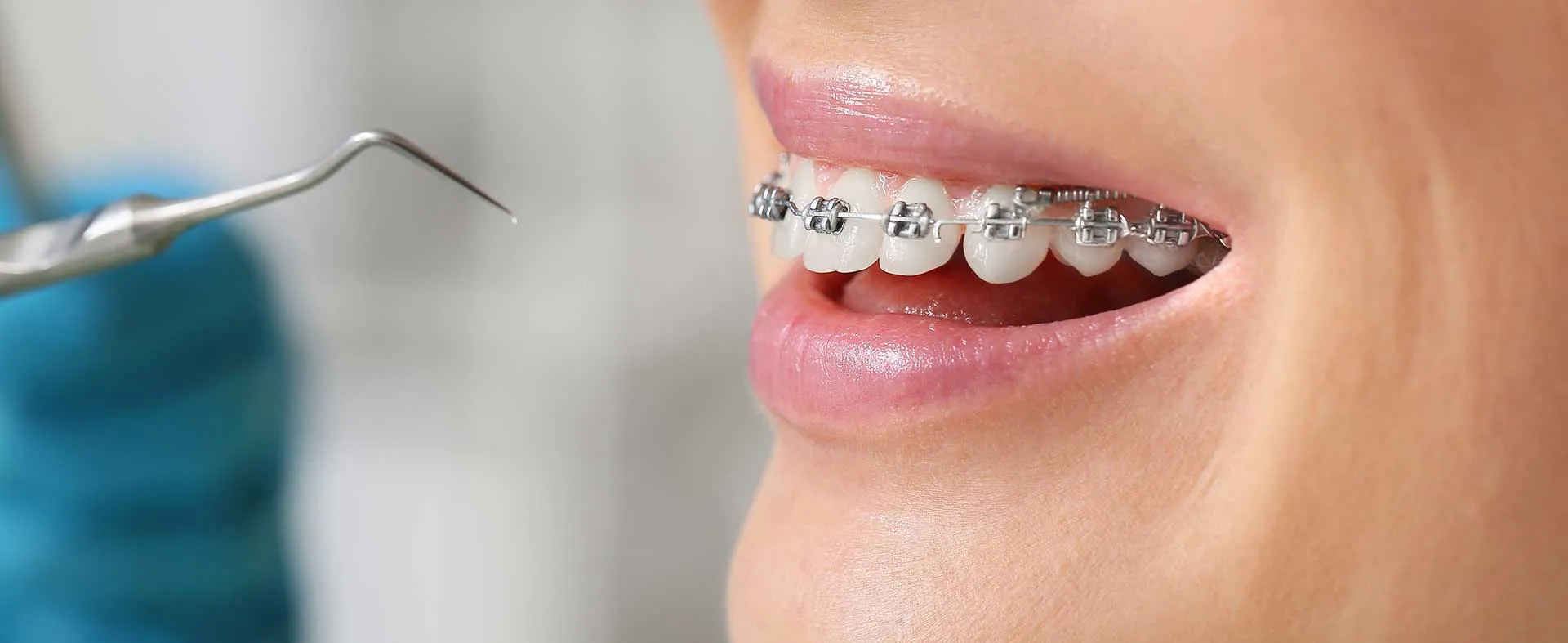
Traditional Braces: These consist of metal or ceramic brackets attached to the teeth, connected by wires. They apply consistent pressure to gradually move teeth into the desired position.
Invisalign: A popular alternative to traditional braces, Invisalign uses clear, removable aligners that are nearly invisible. They are comfortable and can be removed for eating and cleaning.
Lingual Braces: Similar to traditional braces but placed on the back of the teeth, making them less visible.
Clear Aligners: Besides Invisalign, there are other clear aligner brands available, each with its own set of features and benefits.
Retainers: These are used after orthodontic treatment to maintain the new tooth positions and prevent relapse.
The Orthodontic Journey: What to Expect
If you're considering orthodontic treatment, it's essential to understand what the process entails:
1. Consultation and Assessment
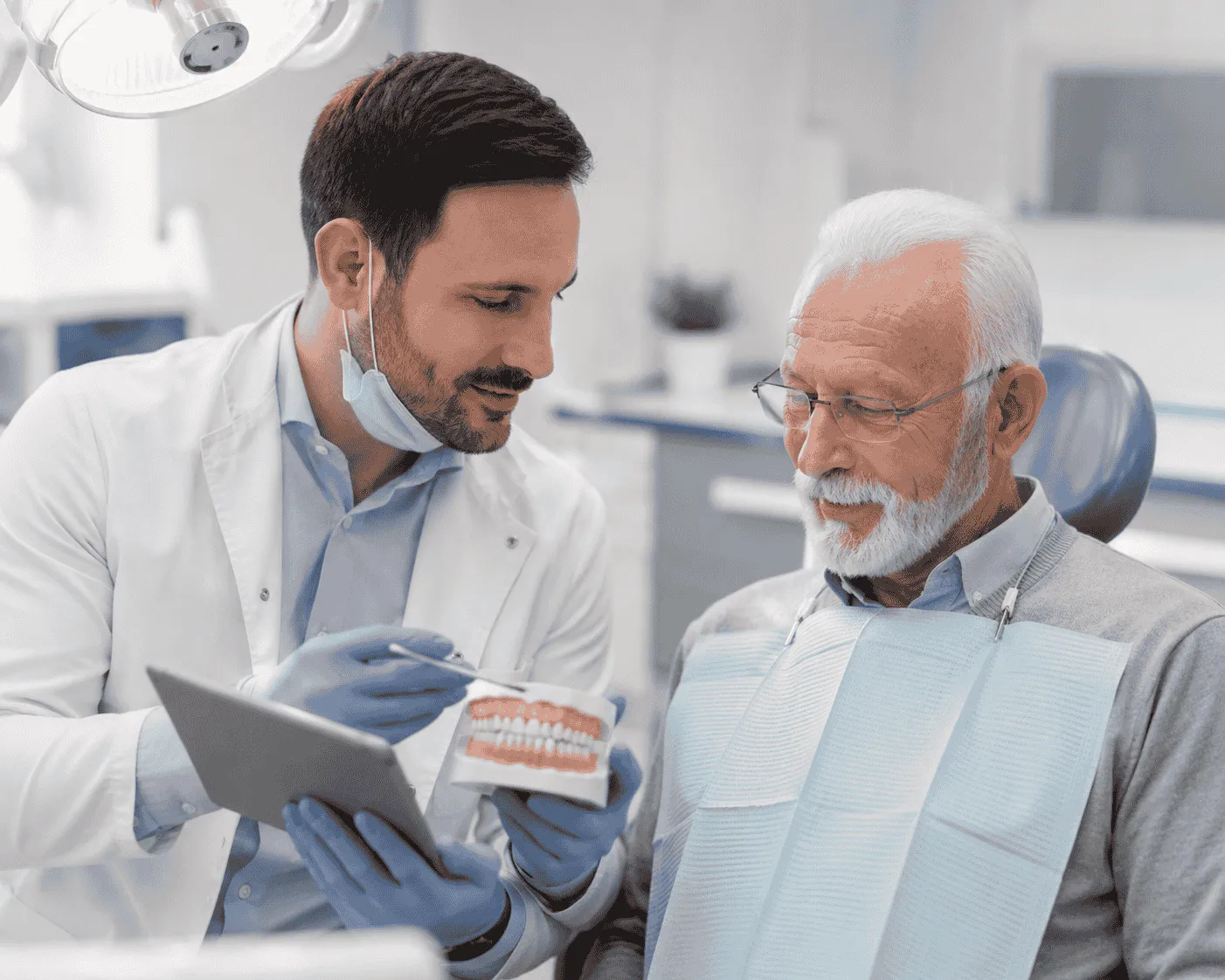
Your orthodontic journey begins with a consultation with an orthodontist. They will examine your teeth, take X-rays, and discuss your goals and concerns. Based on this assessment, they will recommend a treatment plan tailored to your needs.
2. Treatment Initiation
Once you decide on a treatment plan, the orthodontist will begin the process. This might involve the placement of braces, taking impressions for clear aligners, or fitting other orthodontic appliances.
3. Regular Adjustments
For those with traditional braces, regular appointments are necessary for adjustments. Your orthodontist will make sure your treatment progresses as planned.
4. Maintenance and Aftercare
After your teeth are aligned correctly, you may need to wear a retainer to prevent them from shifting back to their original positions. This phase is crucial for maintaining your results.
Benefits of Modern Orthodontics
Orthodontic treatment has evolved significantly, offering numerous benefits to patients:
1. Aesthetic Appeal
Clear aligners and lingual braces are less noticeable, making orthodontic treatment more discreet and aesthetically pleasing.
2. Enhanced Comfort
Modern orthodontic appliances are designed for greater comfort and efficiency, reducing discomfort during treatment.
3. Faster Results
Advancements in orthodontics have led to shorter treatment times for many patients.
4. Improved Oral Health
Straight teeth are easier to clean, reducing the risk of dental problems and promoting better oral hygiene.
Choosing the Right Orthodontist
Selecting the right orthodontist is a critical decision in your journey to a beautiful smile. Here are some tips to help you make the right choice:
1. Credentials and Experience
Ensure that the orthodontist is a licensed specialist with the necessary training and experience in orthodontics.
2. Patient Reviews
Read reviews and testimonials from previous patients to get insights into the quality of care provided.
3. Treatment Options
Discuss the treatment options available and choose the one that aligns with your preferences and needs.
4. Cost and Payment Options
Ask about the cost of treatment and inquire about payment plans or insurance coverage.
5. Communication
Choose an orthodontist who communicates effectively, listens to your concerns, and answers your questions.
Conclusion
Orthodontic treatment offers a path to straighter teeth, improved oral health, and enhanced self-confidence. Whether you opt for traditional braces, Invisalign, or another option, the journey to a beautiful smile is well worth the effort.
Take the first step by scheduling a consultation with an orthodontist to discuss your goals and explore the treatment options available. Your radiant, confident smile is just around the corner, waiting to transform your life for the better.

























Sign in to leave a comment.