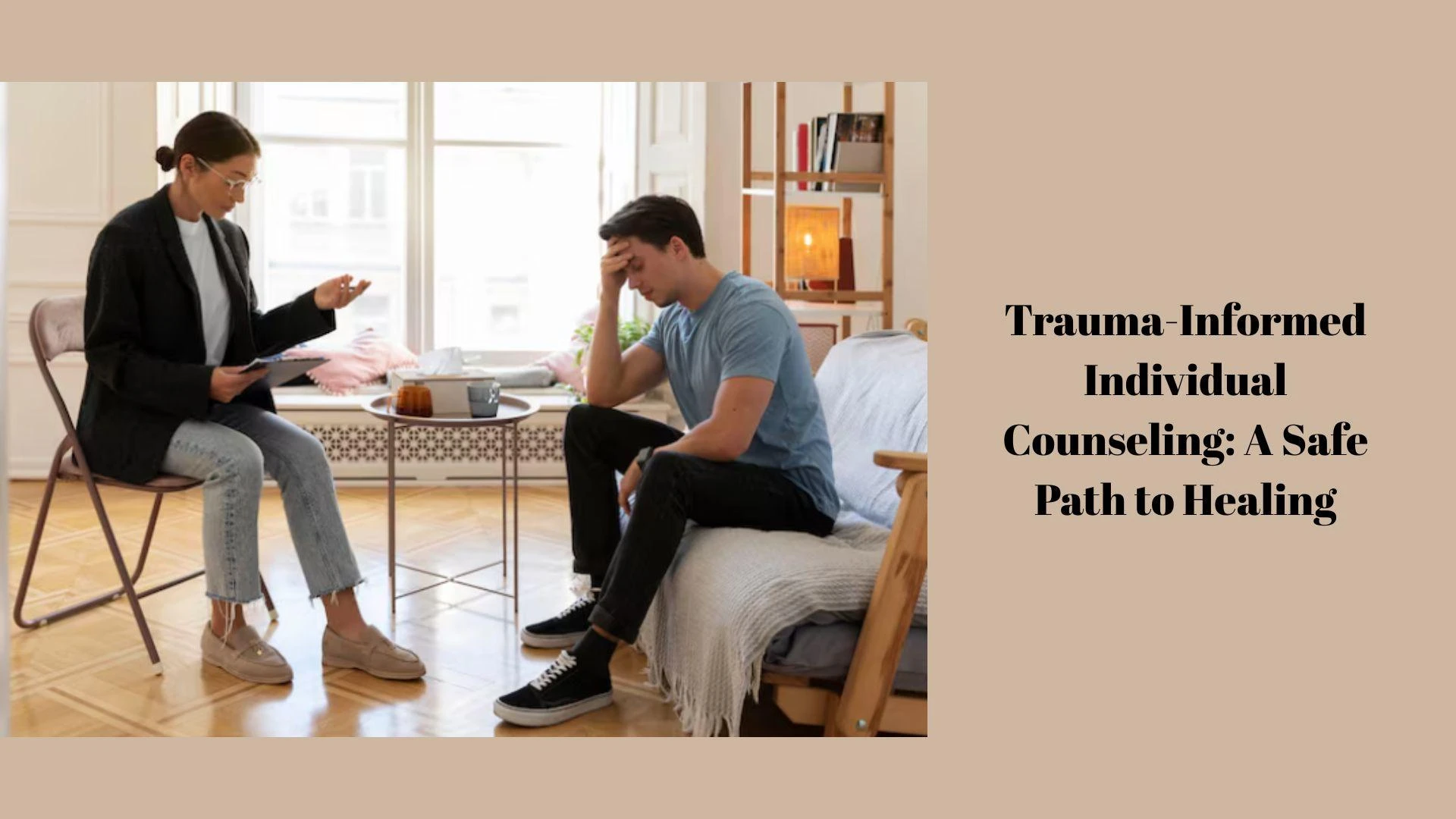

Trauma affects people in deeply personal ways. A single distressing event, repeated harmful experiences, or long-term emotional neglect can disrupt a person’s mental, emotional, and physical well-being. Yet trauma is not always visible. Many people learn to survive by pushing painful memories away—only to later struggle with anxiety, numbness, relationship difficulties, or physical symptoms without an obvious cause.
Individual counseling offers a powerful space to process these wounds, especially when guided by a trauma-informed approach. Trauma-informed individual counseling focuses not only on the symptoms a person is experiencing but also on the emotional roots beneath them. It creates a safe, collaborative, and empowering therapeutic environment where survivors can rebuild trust, agency, and a positive sense of self.
This article explores what trauma-informed individual counseling is, why it matters, and how it can support someone on the journey to healing.
Understanding Trauma and Its Lasting Effects
Trauma is the emotional and psychological response to an experience that overwhelms a person’s ability to cope. It is not defined solely by the event itself, but by how the experience impacts the individual.
Trauma may include:
- Childhood emotional or physical abuse
- Neglect or abandonment
- Domestic violence or sexual assault
- Severe accidents or medical trauma
- Natural disasters or war-related trauma
- Sudden loss or bereavement
- Bullying or repeated humiliation
- Complex trauma from chronic stress in relationships
Our brains are designed to protect us—during trauma, the nervous system shifts into survival mode. When these survival responses do not shut off, trauma may continue to shape thoughts, behaviors, and relationships long after the event is over.
Common trauma-related responses may include:
- Flashbacks or intrusive memories
- Emotional numbness or disconnection
- Hypervigilance and difficulty relaxing
- Panic attacks or chronic anxiety
- Irritability, anger, or mood swings
- Self-blame or shame
- Difficulty trusting others
- Sleep or appetite problems
- Physical pain without clear medical cause
For many, these symptoms are confusing and isolating. Trauma-informed counseling helps make sense of these experiences with compassion and without judgment.
What Makes Trauma-Informed Counseling Different?
Trauma-informed care is based on the principle that safety—emotional, physical, and psychological—is essential for healing. A trauma-informed therapist understands how trauma shapes a person’s worldview, behavior, and nervous system.
This approach does not ask, “What is wrong with you?”
Instead, it asks, “What happened to you—and how has it affected your life?”
Core principles of trauma-informed counseling include:
Safety
The therapist creates an atmosphere where the client feels secure and respected. Boundaries, transparency, and consistency are prioritized.
Trust and Transparency
The therapist explains processes clearly, allowing the client to understand and control their own healing experience.
Empowerment and Choice
Survivors regain autonomy by making decisions at each step of therapy. Nothing is forced or rushed.
Collaboration
The client is viewed as an expert in their own life; therapy is a joint effort.
Cultural and Identity Awareness
Therapists honor differences in backgrounds, values, and experiences, recognizing that trauma impacts every person uniquely.
Strengths-Based Focus
Counseling highlights resilience, not only struggle—acknowledging how the person survived is part of their strength.
This compassionate foundation ensures that therapy supports emotional safety while guiding clients through painful material at a manageable pace.
How Trauma-Informed Individual Counseling Works
There is no one-size-fits-all approach to trauma recovery. A skilled therapist tailors treatment to each person’s needs, stage of healing, and comfort levels. However, trauma-informed counseling tends to follow three interconnected phases:
1. Stabilization and Safety
Before diving into traumatic memories, the therapist helps clients:
- Build trust in the therapeutic relationship
- Create a sense of grounding and emotional stability
- Develop coping skills to manage strong feelings
- Understand the body’s trauma responses
This step may involve strengthening:
- Breathing and relaxation skills
- Emotional awareness and naming feelings
- Positive self-talk and self-compassion
- Mindfulness or sensory grounding strategies
Safety must come first. Clients learn that their reactions are normal survival responses—not personal flaws.
2. Processing and Integration
Once clients feel supported and equipped with tools, they may begin to revisit traumatic experiences in a controlled and compassionate way. The goal is not to relive trauma, but to make sense of it rather than letting it control daily life.
Therapeutic approaches may include:
Cognitive Behavioral Therapy (CBT)
- to reframe harmful beliefs stemming from trauma
Eye Movement Desensitization and Reprocessing (EMDR)
- to help the brain reprocess traumatic memories
Somatic Therapy
- to release trauma stored in the body
Internal Family Systems (IFS)
- to heal inner parts stuck in survival roles
Narrative Therapy
- to reclaim one’s personal story with dignity
Attachment-Focused Therapy
- to repair relational wounds and trust issues
The therapist works gently, helping clients access memories only when they feel ready.
3. Reconnection and Growth
Healing does not end with processing trauma. Counseling supports new ways of living:
- Rebuilding self-esteem and identity
- Developing healthy relationships
- Setting boundaries and advocating needs
- Creating goals and future plans
- Reclaiming joy, creativity, and sense of purpose
Clients learn to move beyond survival and enter a stage of thriving.
Why Individual Counseling Is Ideal for Trauma Healing
Group therapy and support networks can also be valuable—but individual counseling offers a level of privacy and personalized support many trauma survivors need.
Benefits include:
- A confidential space to share painful memories without fear of judgment
- One-on-one attention tailored to personal triggers and symptoms
- A steady therapeutic relationship that rebuilds trust
- Flexibility to go at the client’s pace
- Support in developing coping strategies that fit their lifestyle
The therapist becomes a secure, consistent presence—something many trauma survivors may have lacked during earlier stages of life.
The Importance of Feeling Emotionally Safe
Trauma often teaches people that the world is dangerous and that their feelings are not welcome. In therapy, emotional safety gives clients permission to:
- Express difficult emotions
- Speak openly about past experiences
- Ask for help and set boundaries
- Experiment with vulnerability
- Acknowledge their own resilience
When a person finally feels safe enough to let their guard down, healing becomes possible.
Common Fears About Trauma Counseling
It’s normal for survivors to feel anxious about therapy. Common concerns include:
- “What if talking about it makes things worse?”
- “I don’t want to burden anyone.”
- “I should be over this by now.”
- “My trauma isn’t bad enough to need therapy.”
- “What if I lose control of my emotions?”
A trauma-informed counselor validates these fears and reassures the client that they are not alone. No trauma is too small, too old, or too complicated to deserve care.
How Long Does Healing Take?
Trauma healing is not linear. Some weeks bring huge progress; others feel like setbacks. This is normal. There is no fixed timeline because every story is different.
Recovery depends on factors such as:
- Severity and duration of trauma
- Support systems and life circumstances
- Whether trauma began in childhood
- Individual coping resources
- Readiness to process difficult memories
The goal of therapy is not perfection—it is reduced distress, increased resilience, and restored hope.
Signs That Trauma-Informed Counseling Is Helping
Progress can look like:
- Feeling more present and less detached
- Easier time identifying and expressing emotions
- Fewer nightmares or intrusive memories
- Improved confidence and self-worth
- Healthier boundaries in relationships
- Increased ability to relax and trust others
- Reduced shame and self-criticism
Healing often happens silently and gradually. Even small shifts are meaningful wins.
Moving Forward With Hope
Trauma-informed individual counseling is an invitation to transform the most painful parts of one’s story into sources of strength. It reminds survivors that:
- They are not defined by what happened to them.
- Their feelings make sense.
- Healing is possible—and they do not have to do it alone.
This therapeutic path offers compassion where there was once fear, empowerment where there was once helplessness, and connection where there was once isolation.
Trauma may have shaped someone’s past, but it does not have to shape their future. With a supportive therapist and a safe, trusting environment, survivors can rebuild their lives with dignity and hope.




























Sign in to leave a comment.