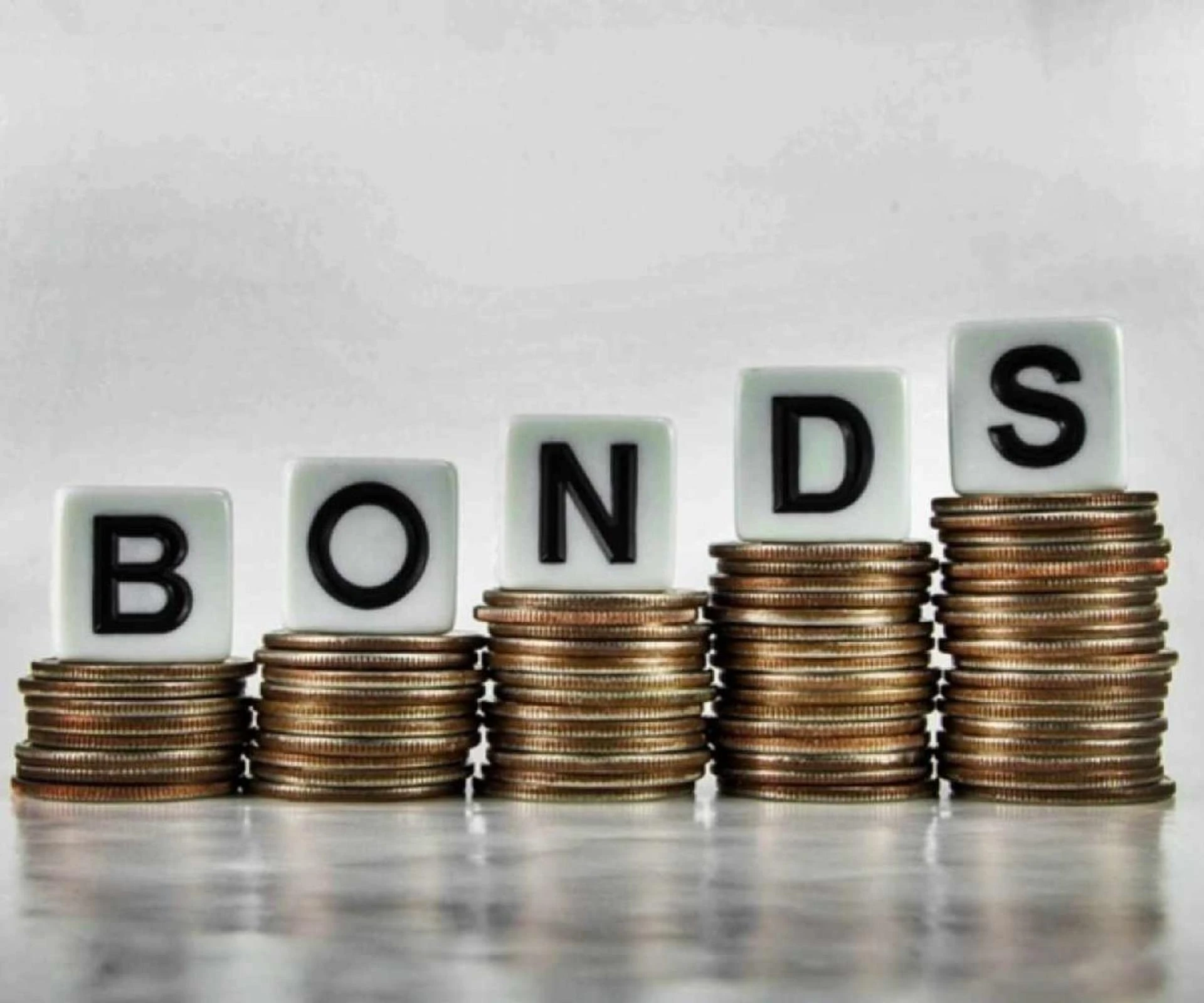

When people in India hear the word bonds they usually think of long term government borrowing or corporate issues. There is another important piece of the fixed income puzzle that sits at the very short end. These are treasury bills. If you understand the meaning of treasury bills in simple terms you can use them as a useful parking place for surplus cash.
In plain language a treasury bill or T bill is a short term borrowing instrument issued by the Government of India. The government uses T bills to manage its short term funding needs. When you buy a T bill you are lending to the government for a few months rather than many years as with normal bonds.
The structure is slightly different from a regular coupon paying bond. A T bill does not pay interest at periodic intervals. Instead it is issued at a discount to its face value and redeemed at full face value on maturity. The difference between what you pay today and what you receive at the end is your return.
Take a simple example. Suppose the face value of a T bill is one lakh rupees. You may be able to buy it in an auction at say ninety seven thousand rupees. On the maturity date the government pays you the full one lakh. The extra three thousand is the interest you earned for that period even though no separate coupon was paid during the life of the bill.
In India T bills generally come with original maturities of ninety one days one hundred eighty two days and three hundred sixty four days. This makes them part of the money market rather than the longer dated bond market. Because the issuer is the Government of India credit risk is considered very low in rupees. That is why T bill yields are often treated as a reference for risk free short term rates.
For individual investors there are several ways to take exposure.
You can buy T bills directly through platforms such as RBI Retail Direct or through certain banks and brokers that allow access to government auctions. In this route you choose a specific maturity and bid in the auction either at a price you decide or at the cut off price decided in the auction. Once allotted the bill is held in your demat or bond ledger account and on maturity the face value is credited to your bank account.
You can also get T bill exposure indirectly through mutual funds that invest in money market instruments. Liquid funds and money market funds often hold a mix of T bills very short dated bonds and other high quality instruments. In that case you own fund units rather than the bills themselves and the fund manager takes care of reinvestment as each security matures.
So where do T bills fit in your personal plan. They work well when you have money that you do not need for a few months and you want something more efficient than a plain savings account but still very conservative. For example if you know you must pay education fees after six months or you are waiting for a property transaction to close T bills can be a clean low credit risk option.
It is also useful to see how they differ from longer maturity bonds. With T bills your price risk from interest rate movement is very small because the maturity is close. If rates move a little during three months the impact on value is limited. With a ten year bond the same rate move can cause a much larger price swing. On the other hand T bills are not meant for building long term income since you must keep reinvesting each time they mature.
Tax treatment is another point. The gain on a T bill is generally treated as interest or short term income based on current rules and taxed at your slab. There is no special tax free benefit. You should always compare post tax returns with short duration deposits and other options.
In summary the meaning of treasury bills is simple. They are short term promises by the government to repay a discounted amount at face value after a few months. Used wisely alongside longer dated bonds and deposits they can help you manage cash better smooth your liquidity and keep your overall portfolio more flexible without giving up safety.




























Sign in to leave a comment.