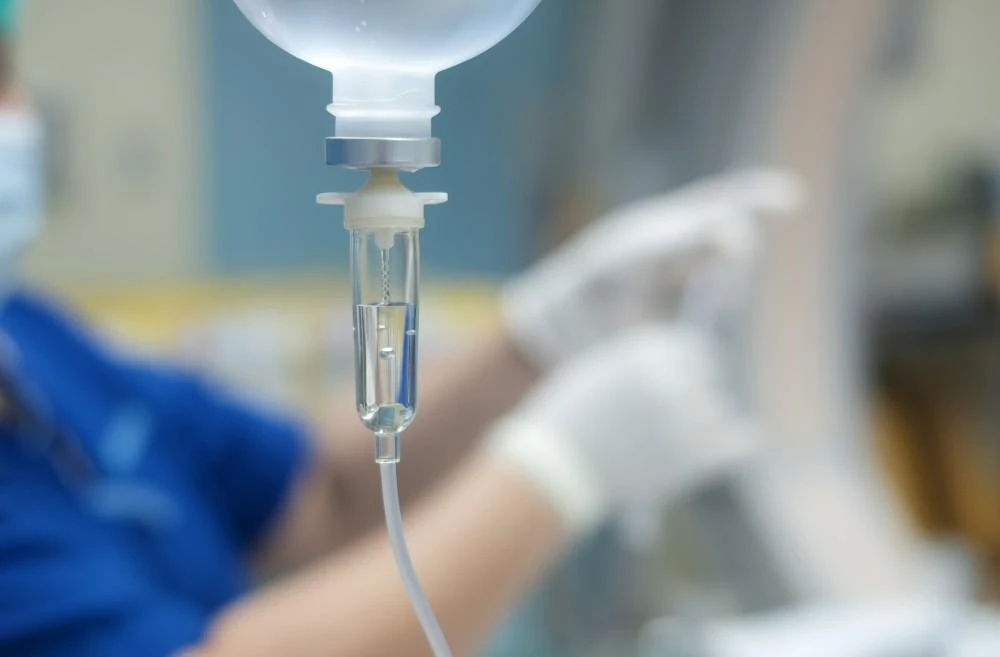

Lead can be found in many unsuspected sources, including dust and chips from old paint, toys, furniture, crafts, soil, drinking water, etc. Lead poisoning is a serious issue that can have detrimental effects on multiple organ systems. It can be particularly hazardous for children, affecting their brains and growth. One of the treatments for lead poisoning is chelation therapy, which involves the use of agents that bind to lead and help remove it from the body. While intravenous chelation is standard, oral chelation for lead poisoning is more accessible and convenient. This guest blog will explore how oral chelation works and the advantages of liquid oral chelation.
Oral Chelation- The Preferred Way To Treat Lead Poisoning
- Oral chelation therapy involves taking chelation agents in pills or liquid form, making it more convenient than intravenous methods.
- Patients can administer the medication themselves at home, which is particularly beneficial for children, the elderly, and people with mobility issues.
- Unlike intravenous chelation, which requires needle insertion and medical supervision, oral chelation is non-invasive. It reduces the risk and complications associated with IV treatments, such as infections or vein irritation.
- Oral chelation for lead poisoning is more cost-effective, eliminating the need for medical staff, specialized equipment, and clinical facilities for administration.
- In mild to moderate cases of lead poisoning, oral chelation is proven to be highly effective. Studies and clinical experiences have shown that oral chelating agents like dimercaptosuccinic acid (DMSA) and 2,3-dimercaptopropane-1-sulfonate(DMPS) can significantly lower lead levels in the body, improving patient outcomes.
- Oral chelation allows a flexible dosing schedule compared to intravenous methods. The dosage can be tailored as per the severity of the poisoning and the patient’s specific needs.
How Does Oral Chelation For Lead Poisoning Work?
- Administration- Oral chelation therapy typically involves taking a prescribed dose of a chelating agent in pill or liquid form.
- Absorption- Once ingested, the chelating agent is absorbed through the walls of the gastrointestinal tract into the bloodstream.
- Binding- As the chelating agent circulates through the bloodstream, it binds to lead and other heavy metals. Since these agents have a high affinity for heavy metals, they effectively capture and bind lead molecules.
- Excretion- The lead-chelate complex is filtered out by the kidneys and excreted in the urine. The process reduces the overall lead burden in the body, helping to alleviate symptoms and prevent further damage.
Why Liquid Oral Chelation Is Particularly Sought-After?
Liquid oral chelation involves the same basic principles as pill-based chelation but comes in a liquid form. It has its advantages for individuals who have difficulty swallowing pills, such as children and the elderly; for them, liquid chelation is a more accessible option. It can be mixed with water or juice to make the ingestion and absorption easier.
Wrapping up
Although the effectiveness of oral chelation can vary based on the severity of the poisoning, the specific chelating agent used, and individual patient factors, it is still considered effective in reducing blood lead levels, particularly in mild to moderate cases.



























Sign in to leave a comment.