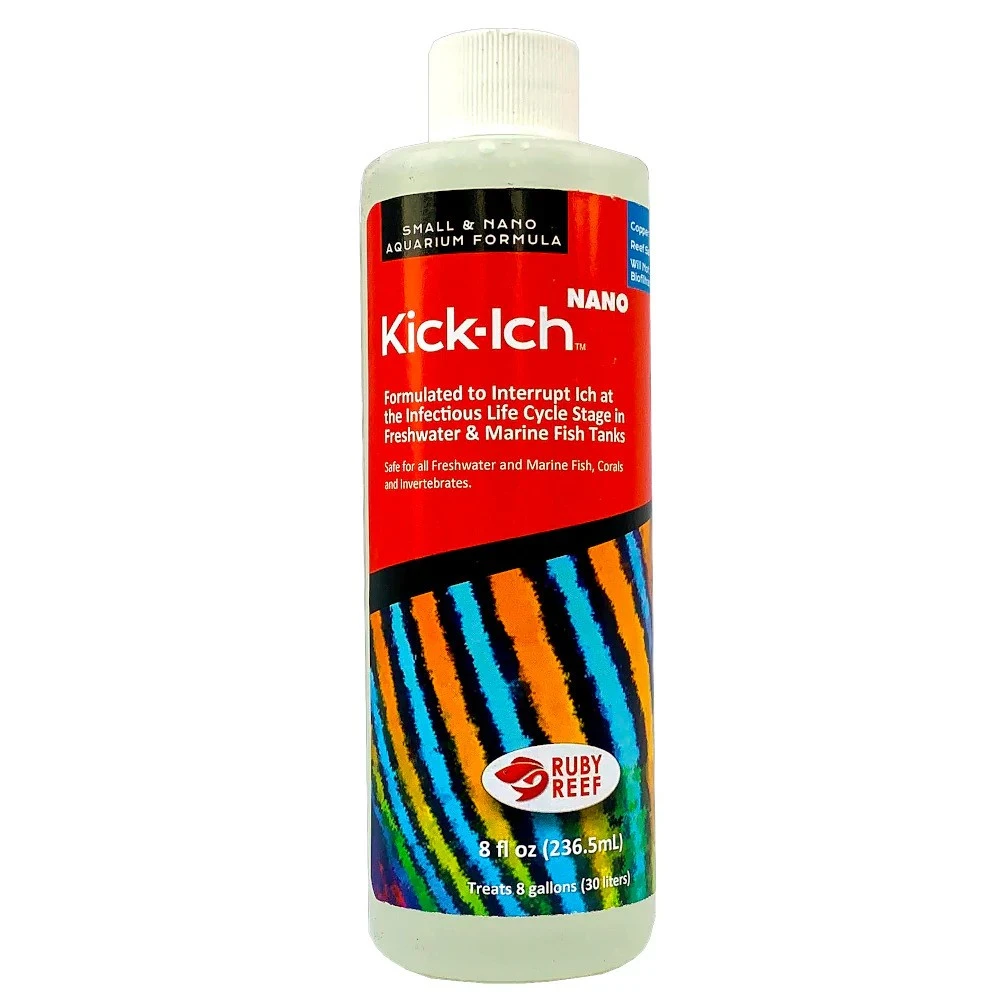

Ichthyophthirius multifiliis, commonly known as "ich" or "white spot disease," is one of the most prevalent and recognizable diseases in both freshwater and saltwater aquariums. This parasitic affliction manifests as tiny, white, salt-like spots covering the fish's body, fins, and gills. Recognizing the signs early and implementing effective treatment strategies is crucial for the health and survival of infected fish. This blog provides an in-depth guide to treating ich in fish, highlighting the steps to diagnose, treat, and prevent this common disease.
Identifying Ich in Your Aquarium
The first step in addressing ich is to correctly identify the infection. Symptoms include:
White Spots: Small, grain-like dots that resemble salt grains on the fish's skin and gills.
Behavioral Changes: Infected fish may scratch against objects due to irritation, exhibit increased gill movement due to respiratory distress, or become lethargic.
Clamped Fins: Fish with ich often keep their fins pinned close to their bodies.
It's critical to diagnose ich promptly as the disease progresses quickly and can be fatal, particularly if it spreads to the gills.
Understanding the Lifecycle of Ich
Ich thrives in a lifecycle that includes free-swimming larvae, which attach to fish, mature into trophonts (feeding stage), and then fall off to form cysts on the substrate where they multiply. Breaking this cycle is key to effective treatment and involves several steps that target different stages of the parasite's life.
Effective Treatments for Ich
Raise the Water Temperature: Increasing the aquarium temperature speeds up the lifecycle of the ich parasite, reducing the time it takes for it to reach the stage where it can be killed. Aim for a temperature between 78°F and 82°F for freshwater tanks, but ensure that the species of fish can tolerate the higher temperatures.
Salt Treatment: Adding salt to the aquarium can help eradicate ich, especially in freshwater settings. Use aquarium salt (sodium chloride) at a concentration of 1-2 teaspoons per gallon of water. This method is not suitable for all fish, particularly those in salt-sensitive species.
Chemical Treatments: Several over-the-counter medications are effective against ich. These include malachite green, copper sulfate, and formalin-based treatments. Always follow the manufacturer's dosage instructions, as these chemicals can be harmful if misused.
Tank Hygiene: Regularly cleaning the tank and performing water changes can help remove ich cysts from the environment, reducing reinfection rates.
Quarantine Infected Fish: Isolating infected fish as soon as symptoms appear can prevent the spread of ich to healthy individuals in a community tank.
Administering Medication Properly
When using chemical treatments, it's vital to administer them correctly:
Remove Carbon Filters: Activated carbon can absorb medications from the water, making them ineffective. Remove carbon filters before starting treatment.
Follow the Full Treatment Course: Even if the fish appear to improve, continue the treatment for the full recommended duration to ensure all parasites, including those in the latent phase, are eradicated.
Monitor Water Quality: Medications can impact water quality and the beneficial bacteria in your filtration system. Regularly test your water for ammonia and nitrite spikes during treatment.
Preventing Future Outbreaks
Prevention is just as important as treatment when it comes to ich. Maintain high standards of aquarium care to prevent future outbreaks:
Regular Water Changes: Keep the water clean and free of organic debris to discourage parasitic growth.
Quarantine New Arrivals: Always quarantine new fish for at least two weeks before introducing them to your main tank.
Proper Nutrition: A well-balanced diet enhances the immune system of fish, making them less susceptible to diseases like ich.
Conclusion
Treating ich in fish requires an understanding of the disease's lifecycle, prompt action to implement effective treatment, and ongoing preventative measures to keep the aquarium environment healthy. By raising water temperature, using appropriate treatments, and maintaining good tank hygiene, you can manage ich outbreaks effectively and keep your aquatic pets healthy and vibrant. Remember, the best approach to managing ich is a combination of proactive prevention and responsive treatment.


























Sign in to leave a comment.