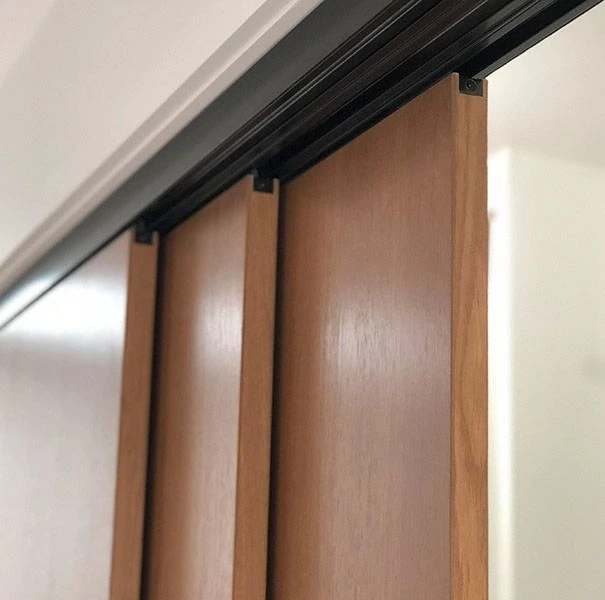

Sliding doors are an essential part of many South Florida homes and businesses. They allow natural light to fill a space, provide seamless indoor‑outdoor access, and when functioning properly, operate with smooth, quiet motion. But like any mechanical system, sliding doors and specifically their tracks can experience issues over time.
Whether you’re enjoying a sunny afternoon in Boca Raton or preparing for guests, a sticky sliding door can be frustrating. Identifying and fixing track problems early can save you from bigger headaches later. In this guide, we’ll walk you through the common causes of sliding door track issues and show you how to address them quickly and effectively.
How Sliding Door Tracks Work
Before diving into troubleshooting, it helps to understand the basics of how sliding door tracks function. A sliding door typically glides on wheels or rollers located at the bottom of the door. These rollers run within a track usually made of aluminum or steel that guides the door’s movement.
Over time, this track can accumulate dirt, corrode, bend, or wear down, all of which impede the door’s ability to move smoothly. A small problem in the track can turn into a major functional issue if left unresolved.
Common Sliding Door Track Problems
Here are the most frequent issues that homeowners and property managers encounter:
1. Dirt, Debris & Build‑Up
South Florida’s coastal environment can mean more sand, dust, and organic debris collecting in your door tracks. Leaves, grit, insects, and small trash can get lodged in the track grooves, creating resistance.
Signs to watch for:
- The door feels rough when sliding
- You hear grinding or scraping noises
- The door doesn't fully close without extra force
2. Corrosion and Rust
Humidity, salt air, and rain can accelerate corrosion on metal track surfaces, especially if moisture isn’t drained properly. Corroded tracks become uneven, making smooth operation nearly impossible.
3. Misalignment
A track or wheel misalignment occurs when the sliding door sagging over time or from impact. Even a slight shift can throw off the door’s balance, causing binding and difficulty opening.
4. Worn Rollers
The rollers themselves often get overlooked. If they wear down, become flat, or lose their bearings, they won’t roll properly in the track. In many cases, worn rollers contribute more to the problem than the track itself.
5. Damaged Track Surface
Tracks can become dented, bent, or worn from heavy use or accidental impact (like vacuum cleaners, furniture, or pets). These imperfections create obstacles for the rollers and cause uneven motion.
Step‑by‑Step Troubleshooting: What You Can Do
Before calling for professional sliding door track repair in Boca Raton, there are practical steps you can take to diagnose and even fix minor issues.
1. Clean the Track
This is often the simplest and most effective first step. Dirt and debris are the top cause of sticky tracks.
What to do:
- Use a vacuum with a crevice tool to remove loose debris.
- Wipe the track with a damp cloth and mild detergent.
- For stubborn grime, a soft brush (like an old toothbrush) works well.
- Dry thoroughly to prevent rust or corrosion.
Tip: Keep a small brush near your patio or garage door for quick monthly cleanings.
2. Check for Visible Damage
Look along the track for dents, bends, or rust spots.
- Light surface rust can sometimes be removed with fine steel wool.
- If the track is dented or heavily corroded, it may need more extensive attention.
Important: Don’t force the door if you see damage—it could worsen the issue.
3. Inspect the Rollers
Rollers can wear silently over time. Lift the sliding door (with help, if needed) to inspect the wheels.
- Do they turn freely?
- Are they worn or flattened?
- Is there rust or stuck debris?
If the rollers are compromised, cleaning may help short‑term. Long‑term, replacing them restores smooth movement.
4. Test Alignment
A sliding door that’s out of alignment won’t glide properly.
How to test:
Try gently lifting or shifting the door slightly in its track. If the door rides unevenly from side to side or feels lopsided, alignment may be the issue.
Often, track screws or adjustment bolts on the rollers can be loosened and reset to realign the door.
When to Call a Professional
While many homeowners can handle basic cleaning and inspection, certain sliding door track problems are best left to trained technicians—especially when safety or structural integrity is involved.
You may want professional assistance when:
- The track is bent or heavily corroded. Corrections may involve realigning the frame or replacing track sections.
- Roller replacement is needed. Depending on the door model, removing and installing new rollers requires specialized tools.
- The door is misaligned significantly. Misalignment that affects seals, weather stripping, or structural performance requires precise adjustment.
- Issues persist after DIY troubleshooting. If cleaning and inspection don’t restore smooth operation, a deeper mechanical issue might be present.
In these situations, technicians can assess the full assembly—track, rollers, frame, and hardware and provide the right solution.
Preventing Future Track Issues
Preventative care goes a long way in avoiding sliding door problems.
Regular Cleaning
Make a habit of cleaning track areas monthly. A simple brush and vacuum session prevents abrasive materials from building up.
Lubrication
Use a silicone‑based lubricant—not oil‑based sprays—which attracts dust and can worsen buildup. Apply sparingly to the rollers for smoother motion.
Check Weather Stripping
Worn weather stripping can allow more dirt and moisture into the track. Replacing it keeps contaminants out and improves energy efficiency.
Seasonal Inspection
In Boca Raton’s humid climate, track inspection before the rainy season helps catch early signs of rust or water pooling.
Common Myths About Sliding Door Track Issues
There’s a lot of misinformation about sliding doors. Let’s clear up a few:
❌ Myth: “Spraying WD‑40 fixes sticky sliding doors.”
WD‑40 can displace debris short‑term, but it attracts dust and eventually creates more buildup. A proper silicone‑based lubricant is more suitable.
❌ Myth: “Tracks don’t need maintenance unless there’s a problem.”
Environmental exposure means sliding doors accumulate issues slowly. Regular inspection saves money and stress in the long run.
❌ Myth: “If it’s sticky, the rollers must be the problem.”
Track debris and damage often contribute more than worn rollers. Start with cleaning and inspection before assuming roller replacement.
Final Thoughts
Sliding doors are both functional and aesthetic features in many Boca Raton homes. Problems with tracks can disrupt daily routines, but most issues show clear signs early on—and with the right approach, many can be managed quickly and effectively.
From dirt and debris buildup to misalignment and corrosion, understanding what causes track problems allows you to respond appropriately. Basic cleaning, inspection, and maintenance go a long way, and knowing when to bring in expert support helps preserve performance and safety.
Want Help With a Persistent Sliding Door Issue?
If your sliding door isn’t gliding the way it should and cleaning hasn’t resolved the problem, sliding door track repair experts can assess the situation thoroughly. Whether it’s a misaligned track, worn rollers, or corrosion, timely attention prevents more significant issues later.
schedule a consultation or inspection let’s restore seamless operation to your sliding doors.

























Sign in to leave a comment.