
In today’s fast-moving digital world, guessing what your audience wants is no longer enough. Businesses that win are the ones that listen, adapt, and evolve based on real feedback. Whether you are a marketer planning your next campaign or a startup trying to validate an idea, surveys have become one of the most powerful tools for making informed decisions.
An advance survey approach goes beyond basic questionnaires. It helps uncover patterns, behaviors, and motivations that are not immediately visible. Instead of asking surface-level questions, modern surveys dig deeper into customer intent, expectations, and experiences. This shift is what separates average insights from truly actionable ones.
Why Surveys Still Matter More Than Ever
Despite the rise of analytics tools and AI-driven insights, surveys remain irreplaceable. Numbers can tell you what is happening, but surveys tell you why.
Here is why surveys continue to be essential:
- Direct customer voice
Surveys capture opinions straight from the source without assumptions. - Cost-effective research
Compared to traditional market research methods, surveys are significantly more affordable. - Fast data collection
You can gather responses from hundreds or even thousands of participants within hours. - Versatility across industries
From e-commerce to education, surveys adapt to every use case.
For businesses that want clarity instead of guesswork, surveys are not optional anymore. They are foundational.

Real World Applications Across Industries
Surveys are not limited to one type of user. Their strength lies in their flexibility. Let’s explore how different groups use them effectively.
1. Marketers and Businesses
Marketing teams rely heavily on surveys to understand customer preferences and campaign performance.
Examples include:
- Measuring brand awareness before and after campaigns
- Understanding why customers abandon carts
- Testing product messaging before launch
A simple post-purchase survey can reveal insights that analytics tools might miss, such as emotional triggers or unmet expectations.
2. Entrepreneurs and Startups
For startups, every decision matters. Surveys provide low-cost validation before investing time and money.
Common use cases:
- Idea validation before product development
- Identifying target audience pain points
- Gathering feedback on prototypes
Instead of building blindly, founders can shape their offerings based on real user needs.
3. Researchers and Analysts
In academic and professional research, surveys are critical for structured data collection.
Applications include:
- Cross-sectional studies
- Behavioral research
- Social and economic trend analysis
Well-designed surveys ensure data accuracy and reliability, which are essential for credible research outcomes.
4. HR and Organizations
Employee feedback is just as important as customer feedback.
Organizations use surveys for:
- Employee engagement analysis
- Exit interviews
- Recruitment experience feedback
These insights help improve workplace culture, reduce attrition, and enhance productivity.
5. Students and Educators
Surveys are widely used in academic environments for projects and research.
Typical uses:
- Thesis data collection
- Classroom feedback
- Peer evaluations
Accessible tools make it easier for students to conduct meaningful research without technical barriers.
6. E-commerce and Service Companies
Customer satisfaction is the backbone of retention.
Surveys help businesses:
- Measure Net Promoter Score
- Identify service gaps
- Improve product quality
Even a short feedback form can highlight issues that directly impact revenue.
7. Event Planners and Agencies
Events are all about experience, and surveys capture that experience in detail.
Use cases include:
- Post-event feedback
- Session ratings
- Audience engagement analysis
This feedback helps organizers improve future events and deliver better value.
What Makes a Survey Effective
Not all surveys deliver useful insights. The difference lies in how they are designed.
Here are key elements of an effective survey:
1. Clear Objective
Before creating a survey, define what you want to learn. Avoid vague goals.
For example:
Instead of asking “What do you think about our product?”
Ask “What feature of our product do you use the most and why?”
2. Simple and Focused Questions
Avoid complex language or multiple questions in one.
Good practice:
- Use short sentences
- Ask one question at a time
- Keep answer options clear
3. Logical Flow
Structure your survey so it feels natural to the respondent.
A good sequence:
- Introduction
- General questions
- Specific questions
- Optional feedback
4. Balanced Question Types
Use a mix of:
- Multiple choice
- Rating scales
- Open-ended questions
This combination provides both quantitative and qualitative insights.
5. Respect for Time
Keep surveys concise. Most users prefer surveys that take less than five minutes.
Common Mistakes to Avoid
Even experienced professionals make survey mistakes that reduce response quality.
Here are a few to watch out for:
- Asking leading questions
This biases the response and reduces accuracy. - Too many questions
Long surveys often lead to drop-offs. - Lack of context
Respondents should understand why they are answering. - Ignoring mobile users
Surveys must be optimized for mobile devices. - Not acting on feedback
Collecting data without using it defeats the purpose.
How Surveys Drive Better Decisions
Surveys are not just about collecting responses. They are about transforming those responses into action.
Here is how surveys influence decision-making:
Product Development
Customer feedback helps prioritize features and improvements. Instead of relying on assumptions, teams build what users actually want.
Marketing Strategy
Surveys reveal:
- Audience preferences
- Content effectiveness
- Brand perception
This allows marketers to refine campaigns and messaging.
Customer Experience
Feedback highlights friction points in the customer journey. Fixing these issues improves satisfaction and loyalty.
Business Growth
Data-driven decisions reduce risk and increase success rates. Surveys provide the confidence needed to move forward.
From Data to Deeper Insights
Collecting data is just the first step. The real value lies in interpreting it correctly.
To gain deeper insights, businesses should:
- Look for patterns instead of isolated responses
- Segment data based on demographics or behavior
- Combine survey results with analytics data
- Focus on actionable findings
For example, if multiple customers mention slow delivery, it is not just feedback. It is a signal for operational improvement.
Making Surveys Accessible for Everyone
One of the biggest shifts in recent years is the democratization of survey tools. You no longer need technical expertise to create and analyze surveys.
Modern platforms are designed for:
- Non-technical users
- Small businesses with limited budgets
- Students and independent researchers
This accessibility ensures that anyone can collect valuable insights without complexity.
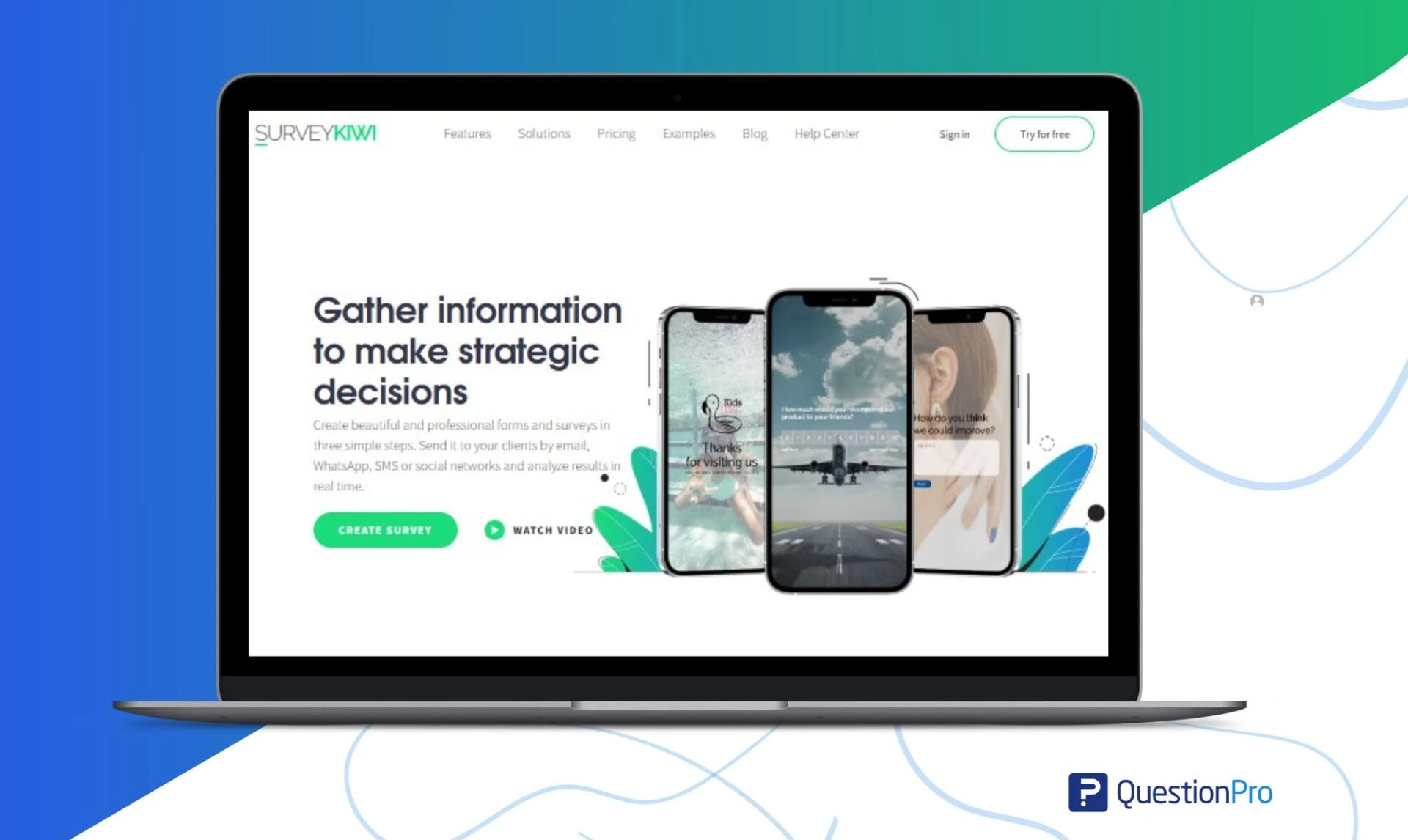
Tools like SurveyKiwi provide an intuitive way to design surveys, distribute them, and analyze results, making it easier for users across industries to gather meaningful data without a steep learning curve.
Practical Tips to Increase Response Rates
Even the best survey is useless without responses.
Here are proven ways to improve participation:
- Keep it short and relevant
- Use engaging and conversational language
- Offer incentives when appropriate
- Send surveys at the right time
- Personalize invitations
For example, a follow-up survey sent immediately after a purchase has a higher response rate than one sent days later.
The Future of Surveys
Surveys are evolving rapidly with technology.
Emerging trends include:
- AI-powered analysis for faster insights
- Interactive survey formats like quizzes
- Real-time feedback collection
- Integration with CRM and marketing tools
These advancements are making surveys smarter and more impactful.
However, the core principle remains the same. Listening to people will always be at the heart of meaningful growth.
Conclusion
Surveys are no longer just a research tool. They are a strategic asset for businesses, educators, researchers, and organizations of all sizes. When used effectively, they provide clarity, direction, and confidence in decision-making.
From understanding customer needs to improving internal processes, surveys unlock insights that drive real results. The key is not just asking questions, but asking the right ones and acting on the answers.
In a world where data is everywhere, the ability to turn feedback into action is what sets successful individuals and organizations apart.





























Sign in to leave a comment.