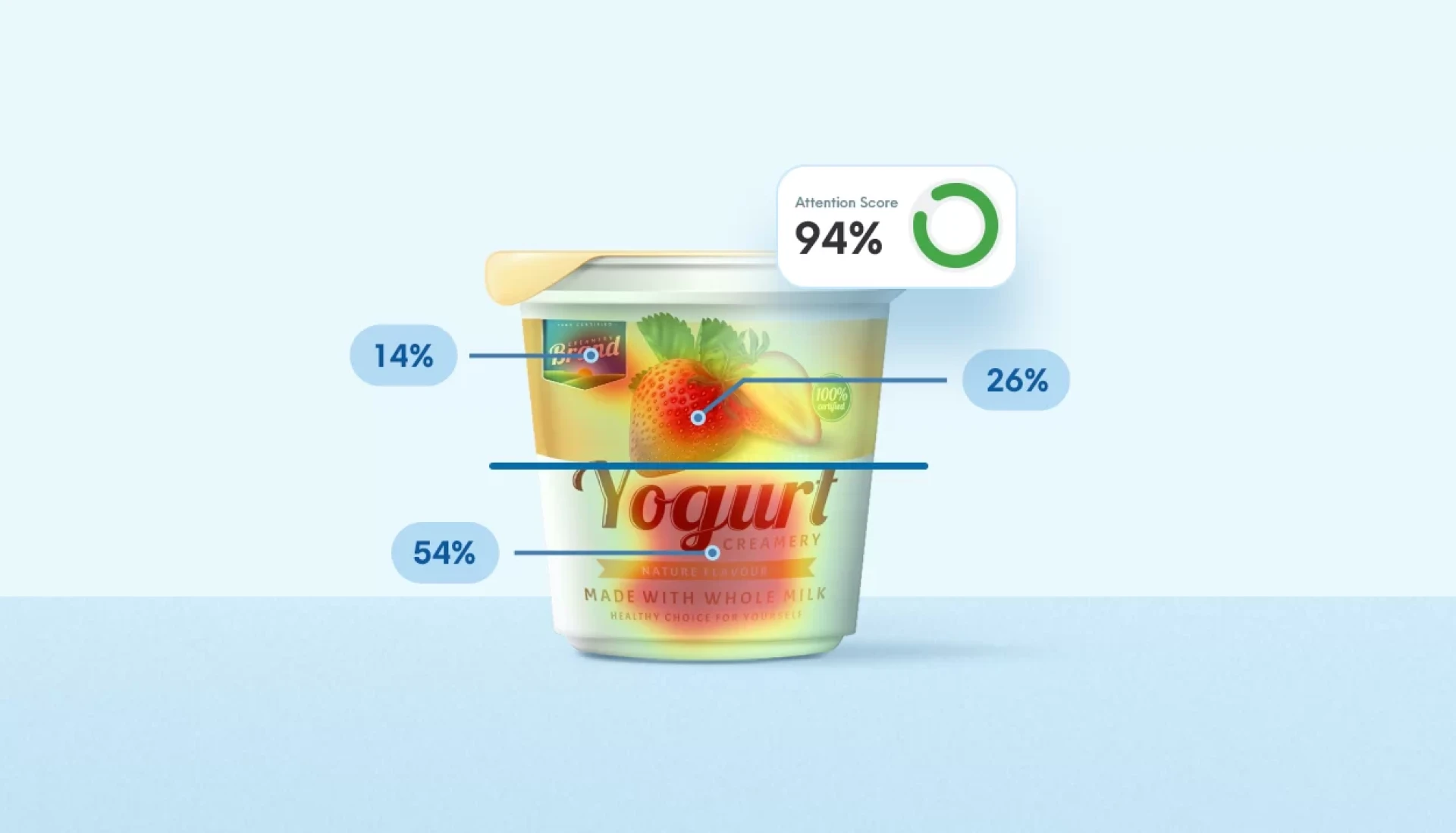

Understanding the Customer Challenge
Imagine this: A brand invests heavily in launching a new product or running a big advertising campaign, only to realize later that the audience doesn’t connect with it. The product doesn’t resonate, the ad fails to inspire action, and sales numbers fall short of expectations.
This is a common problem for businesses across industries. Consumer preferences are evolving at lightning speed, and without the right insights, brands risk making costly decisions. That’s where consumer product testing companies, ad concept testing, and online concept testing step in—helping businesses make data-driven decisions before going all in.
In this blog, we’ll explore the problem-solution journey from a customer perspective, showing how concept testing saves brands time, money, and reputation.
Why Many Brands Struggle with New Product and Ad Campaign Launches
1. The Guesswork Problem
Without testing, brands rely heavily on assumptions, gut instincts, or internal opinions when developing products or marketing campaigns. This lack of real consumer insights often leads to mismatched expectations and disappointing outcomes.
2. High Risk, High Investment
Launching a new product or a major ad campaign involves huge investments in R&D, production, marketing, and distribution. A single misstep can cost millions.
3. Missing the Consumer Voice
The real measure of success lies in how the target audience perceives the product or campaign. Skipping the consumer feedback loop means brands miss out on understanding what actually appeals to customers.
The Role of Consumer Product Testing Companies
This is where consumer product testing companies change the game. They bridge the gap between brand ideas and consumer expectations, ensuring only the most promising products make it to market.
- Real-World Testing: These companies help brands test product prototypes with real users before mass production.
- Quantitative + Qualitative Insights: From taste tests to usability studies, they gather both data and consumer sentiment.
- Risk Reduction: Early feedback prevents expensive post-launch failures.
Example: A food company launching a new snack flavor can test packaging, taste, and pricing with a target audience before going nationwide. This ensures the product aligns with customer preferences right from the start.
Ad Concept Testing: Ensuring Campaigns Hit the Mark
When it comes to marketing campaigns, creativity alone isn’t enough. Ad concept testing helps brands evaluate ideas before they go live.
- Message Clarity: Does the ad clearly communicate the brand promise?
- Emotional Impact: Does it resonate with consumers on a deeper level?
- Purchase Intent: Will the ad inspire viewers to take action?
By testing different ad versions, brands can optimize messaging, visuals, and calls-to-action for maximum impact—without wasting media budgets on ineffective campaigns.
Online Concept Testing: Faster, Smarter, More Cost-Effective
The rise of digital platforms has made online concept testing the preferred choice for modern brands. It delivers insights quickly, making innovation cycles shorter and more efficient.
Key Advantages:
- Speed: Get results in days, not weeks.
- Scalability: Test concepts across multiple demographics and geographies at once.
- Cost Savings: Online tools reduce traditional research costs significantly.
Example: A tech company launching a new smartphone feature can run online surveys, video testing, and A/B experiments globally to identify the most compelling selling points.
Problem-to-Solution Journey: A Customer Perspective
Let’s visualize how a typical brand moves from problem to solution with concept testing:
Step 1: Identifying the Challenge
The brand realizes it lacks real consumer feedback for its product idea or ad concept.
Step 2: Partnering with Consumer Product Testing Companies
Experts design controlled experiments to gather feedback on product features, pricing, and packaging.
Step 3: Running Ad Concept Testing
Different ad creatives are tested with target audiences to measure recall, clarity, and emotional appeal.
Step 4: Using Online Concept Testing for Quick Iteration
Digital platforms allow rapid feedback cycles, enabling brands to tweak concepts instantly.
Step 5: Launching with Confidence
Armed with data-driven insights, the brand launches a validated product and optimized ad campaign, reducing risk and increasing chances of success.
Benefits for Brands
1. Reduced Risk
Early-stage testing prevents costly mistakes before full-scale launch.
2. Consumer-Centric Innovation
Every decision is backed by authentic consumer feedback rather than assumptions.
3. Faster Time-to-Market
With online tools, insights arrive quickly, helping brands stay ahead of competitors.
4. Higher ROI
Effective campaigns and well-received products lead to stronger sales and brand growth.
Real-World Example
A personal care brand wanted to launch a new eco-friendly shampoo line. Before finalizing:
- Consumer product testing companies helped them test fragrance, packaging, and pricing with focus groups.
- Ad concept testing revealed which ad storyline best communicated their eco-friendly message.
- Online concept testing allowed quick tweaks to packaging designs based on real-time feedback.
The result? A highly successful product launch with positive consumer reception and improved brand perception.
Conclusion: Turning Insights into Impact
In today’s competitive market, relying on guesswork is no longer an option. Consumer product testing companies, ad concept testing, and online concept testing help brands innovate confidently, ensuring products and campaigns resonate with their audience before major investments are made.
The future belongs to brands that listen, learn, and act on real consumer insights—because successful launches start with smarter testing.





























Sign in to leave a comment.