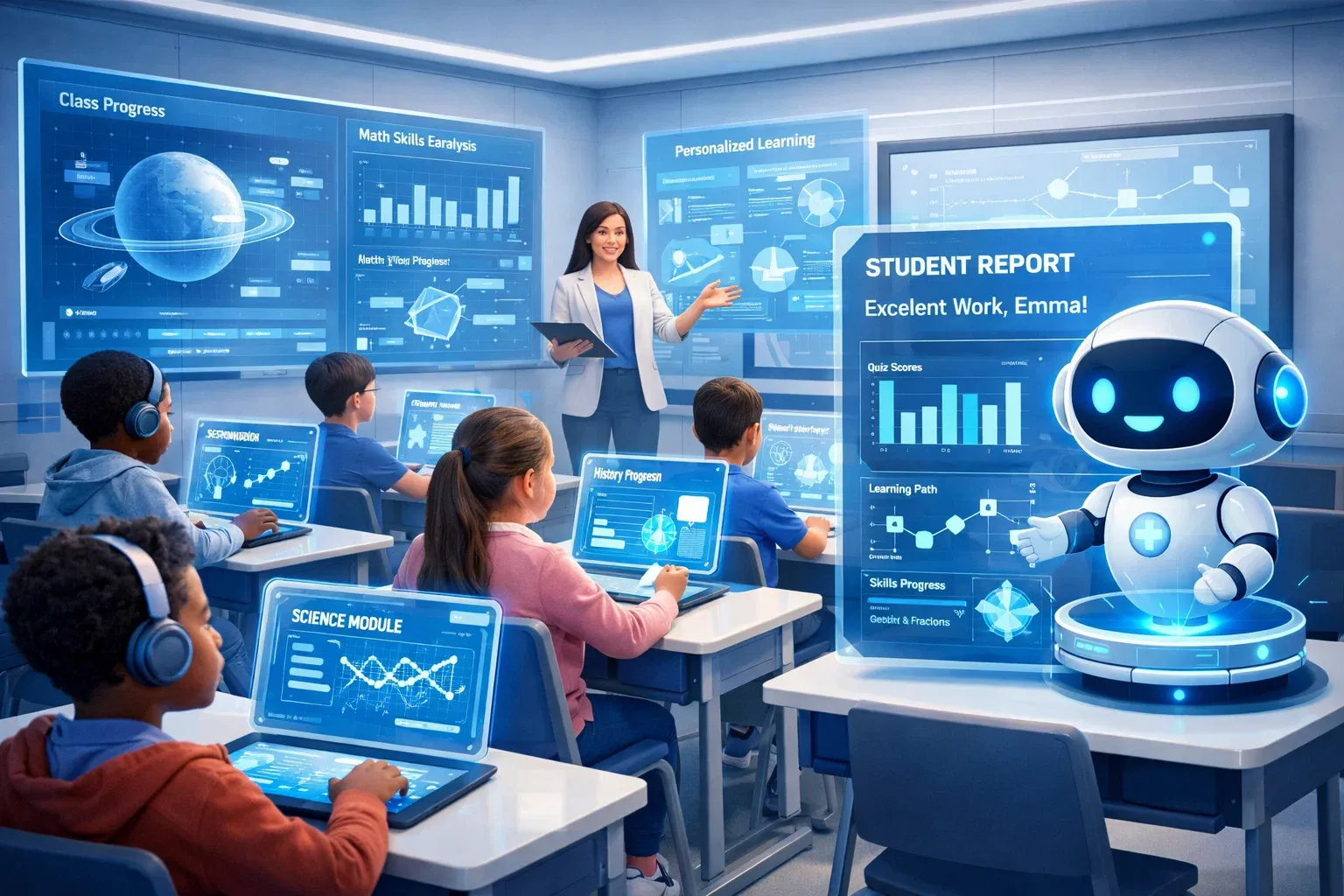
In today’s education landscape, data is no longer just a byproduct of digital learning—it is a powerful tool that can transform how students learn and how educators teach. With the increasing use of digital platforms, schools and institutions now have access to vast amounts of student data. However, the real value lies not in collecting this data, but in turning it into meaningful, actionable learning insights.
Understanding Student Data in Modern Education
Student data includes a wide range of information such as test scores, assignment performance, attendance patterns, engagement levels, and even time spent on specific topics. When analyzed effectively, this data can reveal important patterns about a student’s strengths, weaknesses, and learning behavior.
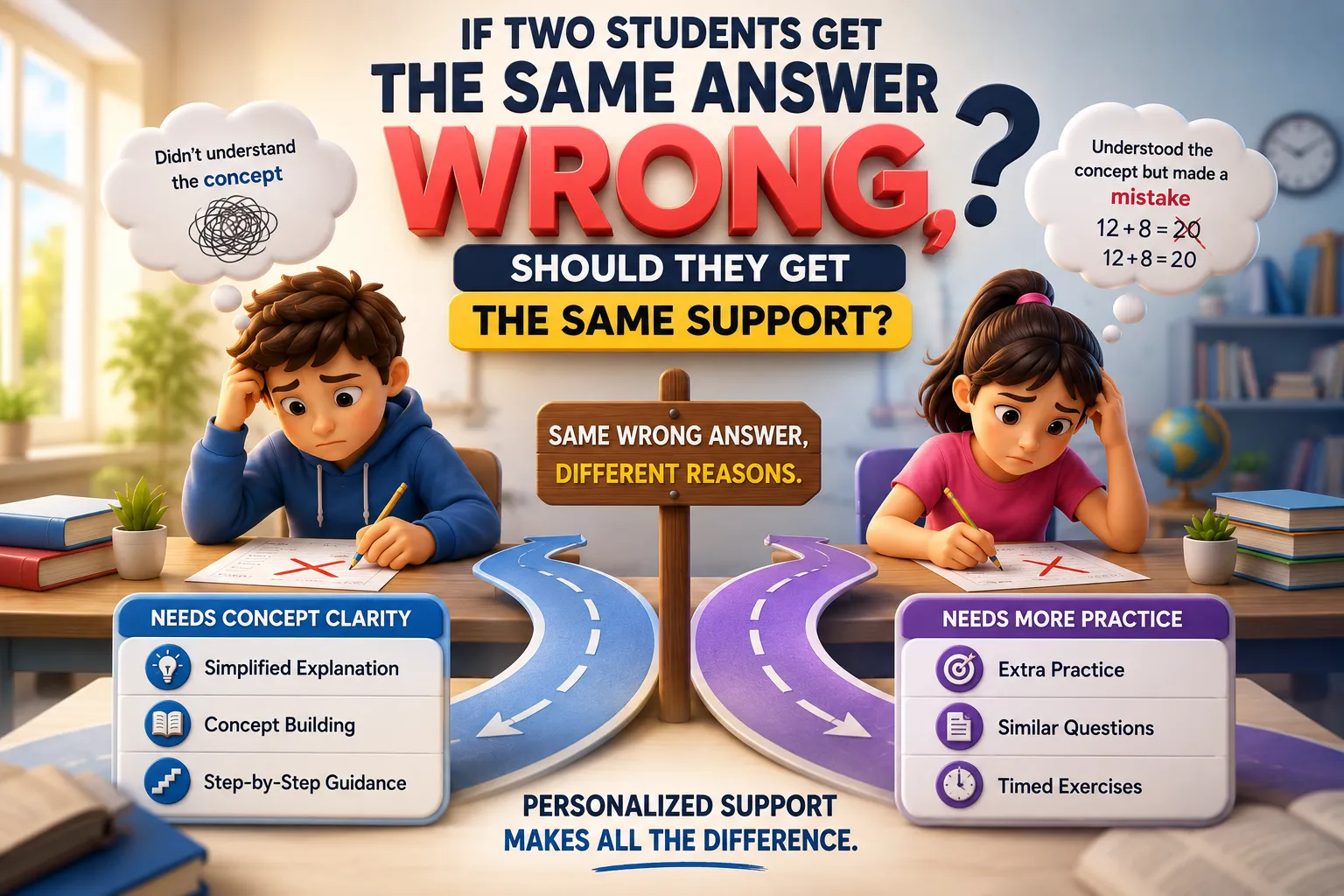
For example, a student consistently struggling with algebraic concepts may need targeted intervention, while another who excels in reading but shows low engagement in science may require a different approach. These insights help educators move beyond assumptions and make informed decisions.
From Raw Data to Meaningful Insights
Raw data on its own is not very useful. The key is to convert it into insights that guide teaching strategies and learning paths. This is where technology plays a crucial role.
Advanced analytics tools can process large volumes of student data and highlight trends that are not easily visible to teachers. These insights can help answer critical questions such as:
- Which topics are students struggling with the most?
- How effective are current teaching methods?
- Where are the learning gaps in a classroom?
By answering these questions, educators can design more targeted lesson plans and provide personalized support to students.
Personalization: The Future of Learning
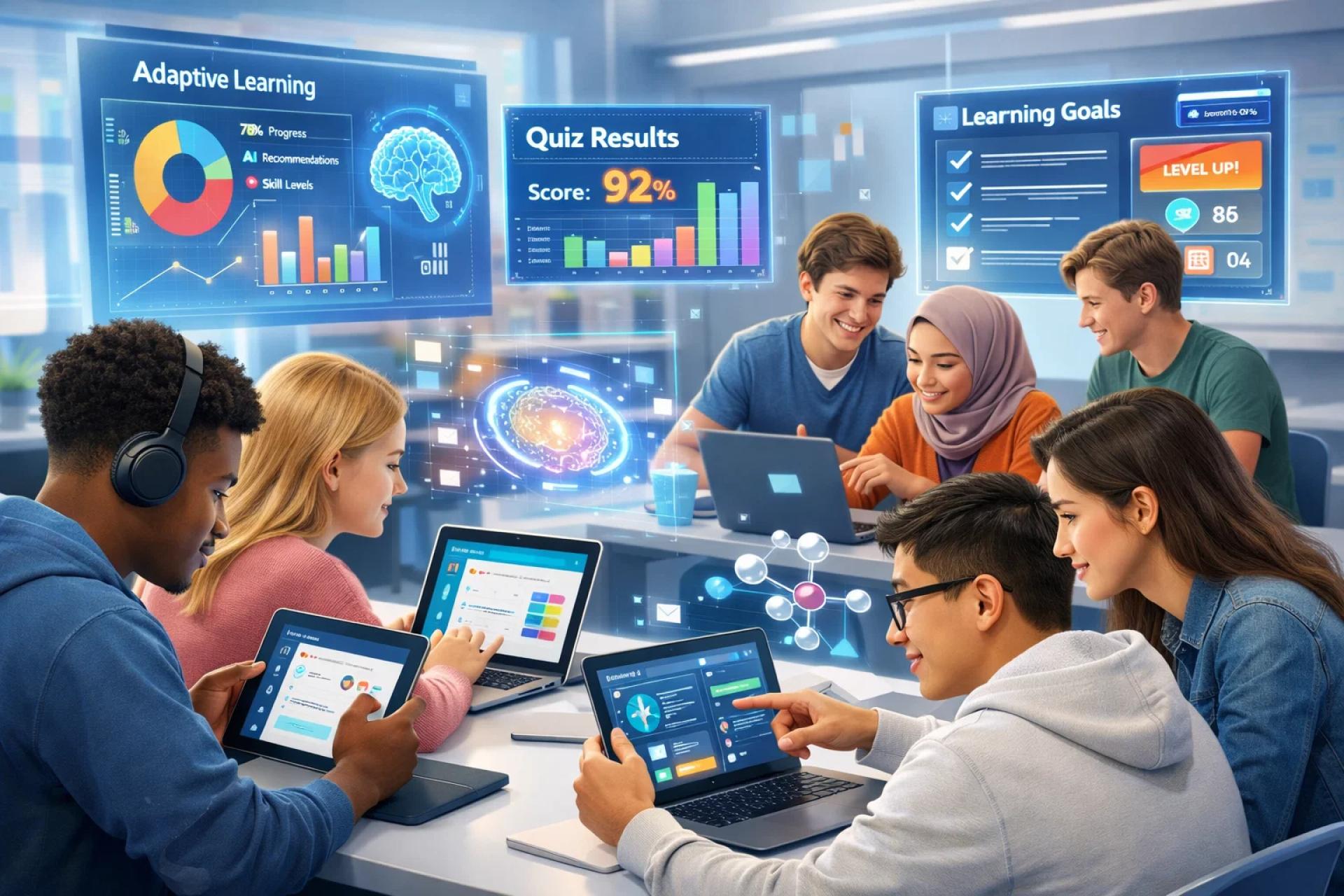
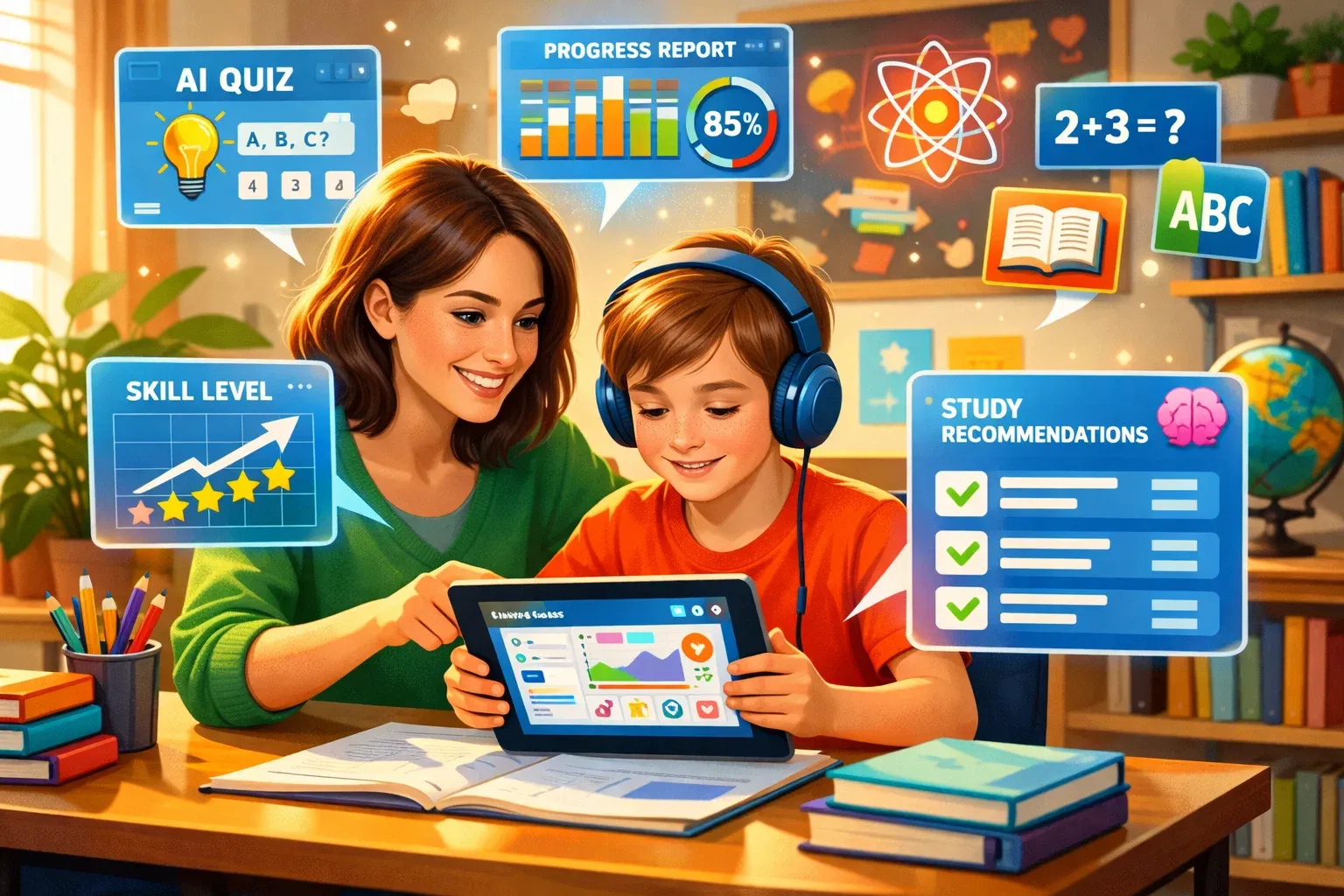
One of the most powerful applications of student data is personalization. Every student learns at a different pace and has unique strengths and challenges. By leveraging data, educators can create customized learning experiences that cater to individual needs.
Personalized learning paths ensure that students spend more time on areas where they need improvement while progressing faster in subjects they have mastered. This not only improves academic performance but also boosts student confidence and engagement.
Role of JoraIQ in Transforming Learning
This is where JoraIQ comes into play. JoraIQ is an innovative platform designed to help educators and institutions turn student data into actionable learning insights. By leveraging adaptive learning technologies, JoraIQ enables schools to deliver personalized education at scale.
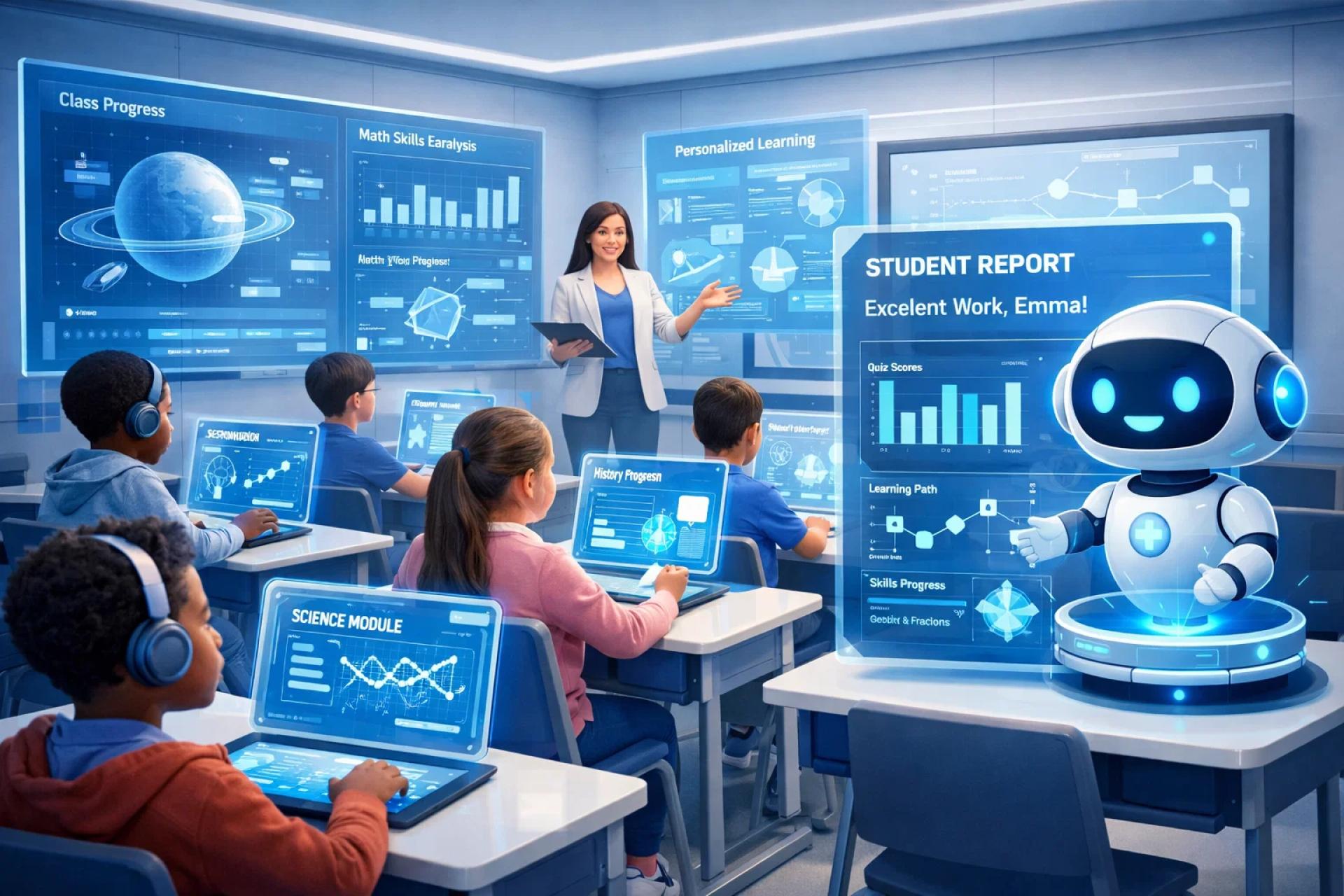
With JoraIQ, teachers can gain real-time insights into student performance, identify learning gaps instantly, and take proactive measures to support each learner. The platform’s data-driven approach ensures that every student receives the right content at the right time, making learning more efficient and effective.
Moreover, JoraIQ empowers educators with intelligent dashboards and analytics tools that simplify complex data into easy-to-understand insights. This allows teachers to focus more on teaching and less on manual data analysis.
Improving Outcomes Through Data-Driven Decisions
When student data is used effectively, it leads to better academic outcomes. Schools can identify at-risk students early, improve teaching strategies, and ensure that no student is left behind. Data-driven insights also help in tracking progress over time, enabling continuous improvement in learning outcomes.
Conclusion
Turning student data into actionable insights is no longer optional—it is essential for modern education. By embracing data-driven approaches, educators can create more personalized, efficient, and impactful learning experiences.
Platforms like JoraIQ are leading this transformation by combining technology and education to unlock the full potential of every student. As the future of learning continues to evolve, data will remain at the heart of smarter, more effective education systems.




















Sign in to leave a comment.