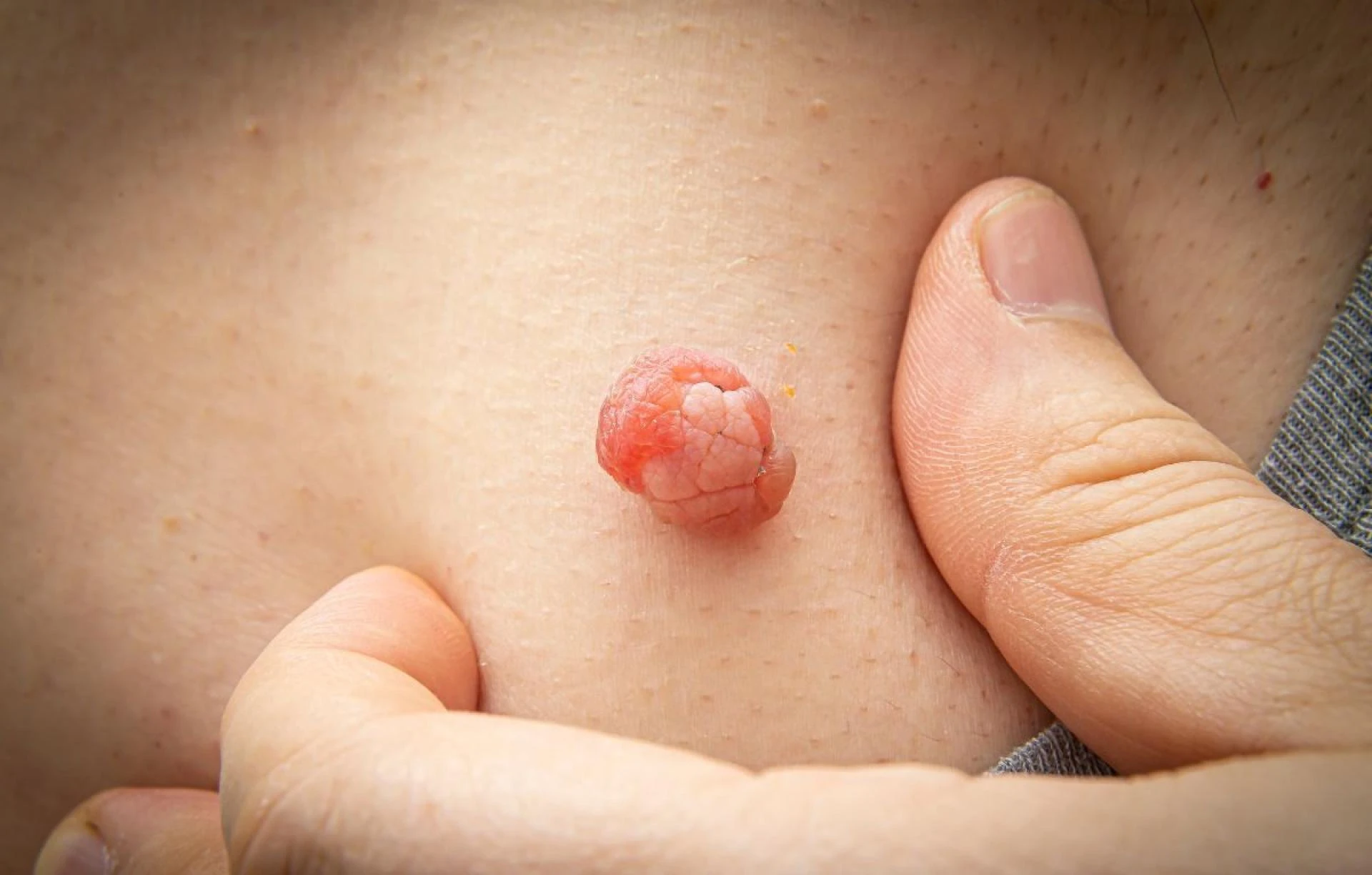

“This article describes common anal growths like skin tags, hemorrhoids, and warts, explaining their differences and emphasizing the importance of a professional medical diagnosis for proper care.”
Understanding the Skin Around Your Anus: A Guide to Common Growths
The discovery of any new growth in the anal area can be a source of significant worry and embarrassment. Many individuals notice soft, flesh-colored bumps and wonder if they are Skin tags on anus. We know the urgency this issue and you are not the only one who is worried. This book is meant to give you clear helpful information on the many different types of growths that can show up.
What an Anal Skin Tag Is
An anal skin tag is a benign, soft flap of excess skin. These growths are typically painless and remain the same size once they form. They are often the result of a healed hemorrhoid or minor skin trauma. Skin tags are not contagious and are not a form of cancer. The presence of skin tags on anal skin is a very common condition. While they may cause some self-consciousness or minor hygiene challenges, they are generally not a medical concern unless they become irritated.
An anal skin tag is a soft, benign growth of excess skin. It is typically flesh-colored or slightly darker. These tags are often painless and remain the same size. They are commonly formed from a healed hemorrhoid where the stretched skin fails to retract fully. Friction can be a contributing factor for skin tags are not contagious and do not pose a health risk. Many individuals seek to remove anal skin tag growths for comfort or personal reasons. A diagnosis from a healthcare professional is always recommended for confirmation and to rule out other conditions.
How Skin Tags Are Different from Hemorrhoids
Confusion between skin tags and hemorrhoids is common. key difference that origin and sensation. A hemorrhoid is a swollen vein which can be internal or external. They are often associated with pain, itching and bleeding especially during bowel movements. A skin tag, in contrast, is composed of collagen and blood vessels covered by skin. It is typically not painful unless irritated by friction. A thrombosed hemorrhoid, which is a blood clot within the hemorrhoid, is usually firm and extremely tender, unlike a soft, painless skin tag on anus.
People commonly mix up skin tags and hemorrhoids, but there are important differences between the two. A skin tag is made up of extra skin tissue that is usually soft and does not hurt. An irritated and swollen blood artery is a hemorrhoid and Hemorrhoids often cause pain, itching and bleeding, especially when you have a bowel movement. A skin tag on the anus normally does not hurt unless it gets irritated by rubbing against something and a skin tag can develop as a remnant of a cured hemorrhoid but it is not the same ailment and a correct medical diagnosis is necessary to tell the two apart and figure out the best way to handle each.
Identifying Genital Warts
Genital warts are caused by the human papillomavirus HPV and their appearance is often described as cauliflower like. They may be raised, flat or have a stalk. A cluster of several small bumps may be present. While sometimes confused with skin tags, warts have a distinct, bumpy texture. They can also be contagious. A proper diagnosis from a medical professional is crucial for this reason. For a deeper look into the emotional and physical impact of one common condition, our piece on Anal Skin Tags: The Hidden Issue No One Talks About But Should offers further insight.
Genital warts, caused by the HPV virus present a distinct appearance. They often have a cauliflower-like, bumpy surface and may appear in clusters. Unlike a smooth skin tag on the anus, warts can be flat, raised or stem-like. This texture is a primary differentiator. The condition is also contagious which is not a characteristic of benign skin tags. The lump with its irregular rough texture warrants medical attention and a accurate diagnosis is essential for proper treatment and understanding this viral infection.
When a Growth Could Be Something Else
Most growths are harmless but vigilance is important. Any growth that changes in size color or shape should be evaluated. The sores that do not recover growths that bleed easily or persistently painful lesions are also causes for concern and a diagnosis of anal cancer is rare but any suspicious changes warrant an immediate medical consultation. Peace of mind is found through a professional examination.
The Importance of a Professional Diagnosis
Self-diagnosis of anal growths is often inaccurate. The nuances between different conditions can be subtle and a healthcare provider can provide a definitive diagnosis through a visual exam. This confirmation is the first step toward finding relief and understanding your options for treatment including the decision to remove anal skin tag growths.
Your Next Steps for Peace of Mind
If you have noticed a new or changing growth the most important step is a consultation and our approach is one of empathy and discretion. All concerns are addressed with professionalism and care. An accurate diagnosis is the foundation for any treatment plan and for your long-term comfort and health.
Conclusion
Many different kinds of growths can happen around the anus. Anal skin tags are one of the most common and least harmful and it is important to tell them apart from other illnesses such as warts or hemorrhoids and a professional examination clears things up makes sure you get the right care at Anal Skin Tag MD and gives you the peace of mind you need for your physical and mental health.






























Sign in to leave a comment.