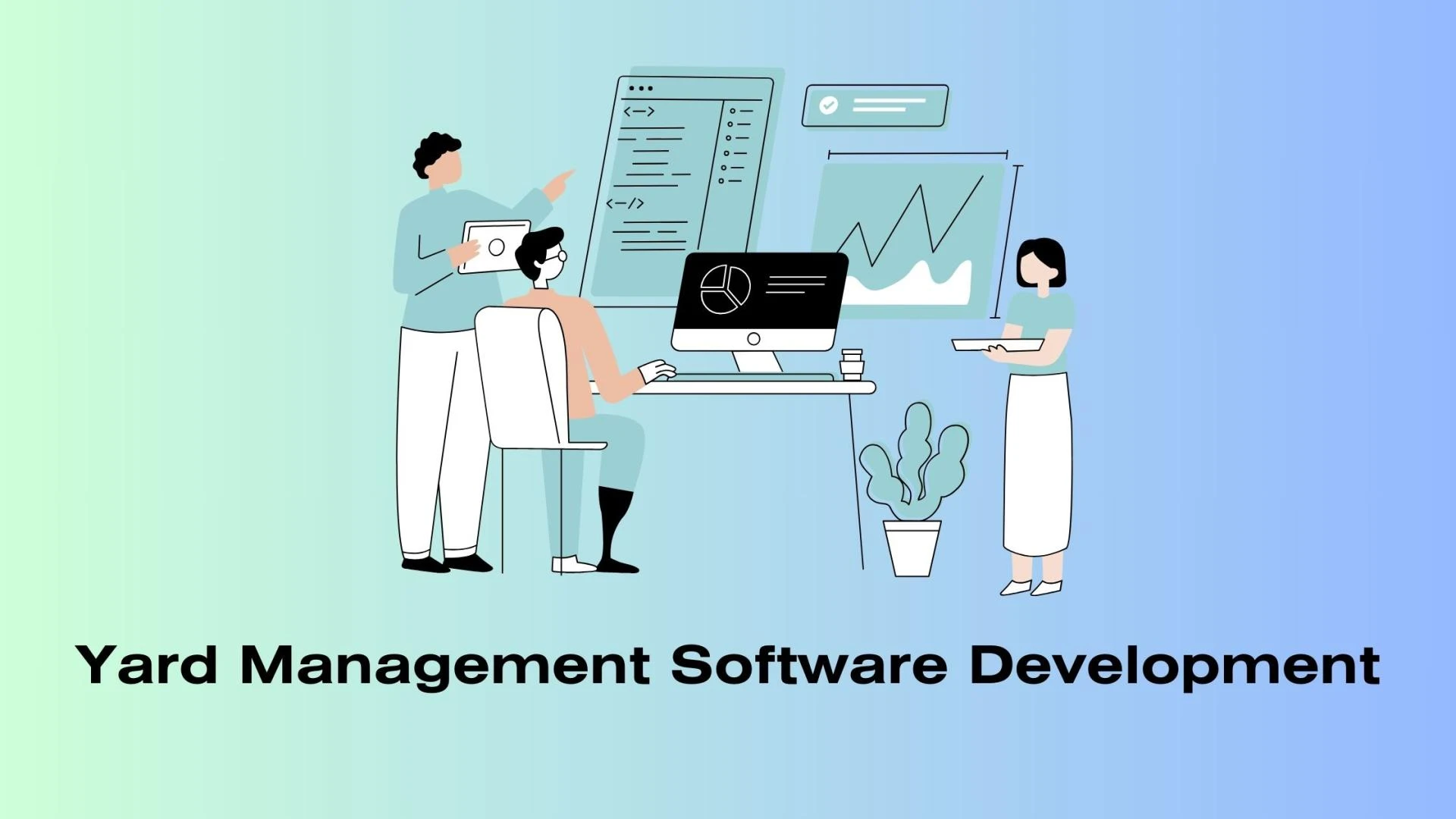

In today's fast-paced logistics and supply chain industry, efficient yard management is crucial for ensuring smooth operations, reducing costs, and improving overall productivity. Yard Management Software(YMS) play a pivotal role in achieving these goals.
They are designed to streamline and optimize various aspects of yard operations, providing real-time visibility and control over the movement of trailers, containers, and assets within a yard.
In this blog, we will explore the different types of Yard Management Systems and their key features.
Top 5 Yard Management Systems
1. Basic Yard Management Systems (BYMS)
Basic Yard Management Systems serve as the foundation for more advanced solutions. They focus on fundamental yard tasks, such as tracking the location of trailers and containers, managing gate check-in and check-out processes, and maintaining a digital record of yard activities. BYMS are typically suitable for smaller yards with limited complexities.
Key Features:
Trailer/container tracking
Gate management
Yard inventory management
Basic reporting and analytics
2. Advanced Yard Management Systems (AYMS)
Advanced Yard Management Systems offer more comprehensive features and capabilities compared to BYMS. They are ideal for larger yards and distribution centers with complex operations. AYMS provide advanced planning and optimization tools, enabling better resource allocation and efficient yard utilization.
Key Features:
Real-time visibility of yard assets
Dock scheduling and appointment management
Yard optimization and planning
Inventory control and yard asset tracking
Integration with Warehouse Management Systems (WMS) and Transportation Management Systems (TMS)
3. Cloud-based Yard Management Systems
Cloud-based Yard Management Systems have gained popularity due to their scalability and flexibility. They are hosted on cloud servers, which means that users can access them from anywhere with an internet connection. This eliminates the need for on-premises hardware and allows for easy updates and maintenance.
Key Features:
Accessibility from anywhere
Scalability to accommodate changing business needs
Reduced upfront hardware and software costs
Automatic updates and maintenance
Enhanced security measures
4. RFID-based Yard Management Systems
RFID (Radio-Frequency Identification) technology is a game-changer in yard management. RFID-based Yard Management Systems use RFID tags and readers to automatically track the movement of trailers, containers, and assets within the yard. This technology provides real-time, highly accurate data and minimizes human intervention.
Key Features:
Automated asset tracking with RFID tags
Real-time visibility and monitoring
Improved accuracy in asset identification
Reduced manual data entry errors
Enhanced security and theft prevention
5. Mobile Yard Management Systems
Mobile Yard Management Systems leverage mobile devices such as smartphones and tablets to provide on-the-go access to yard data and functionality. This is particularly useful for yard personnel who need to perform tasks and access information while in the field.
Key Features:
Mobile access to yard data
Real-time updates and alerts
Increased efficiency for yard personnel
Barcode and QR code scanning for asset tracking
User-friendly interface for easy adoption
Conclusion
As businesses continue to adapt to the ever-evolving digital landscape, the role of Frontend Developers has never been more crucial. These talented professionals are the architects of a user's online experience, shaping the way individuals interact with websites and applications.
To stay competitive and provide exceptional user experiences, it's imperative to hire frontend developers who possess not only the technical skills but also the creativity and problem-solving abilities to build responsive, intuitive, and visually appealing interfaces.



























Sign in to leave a comment.