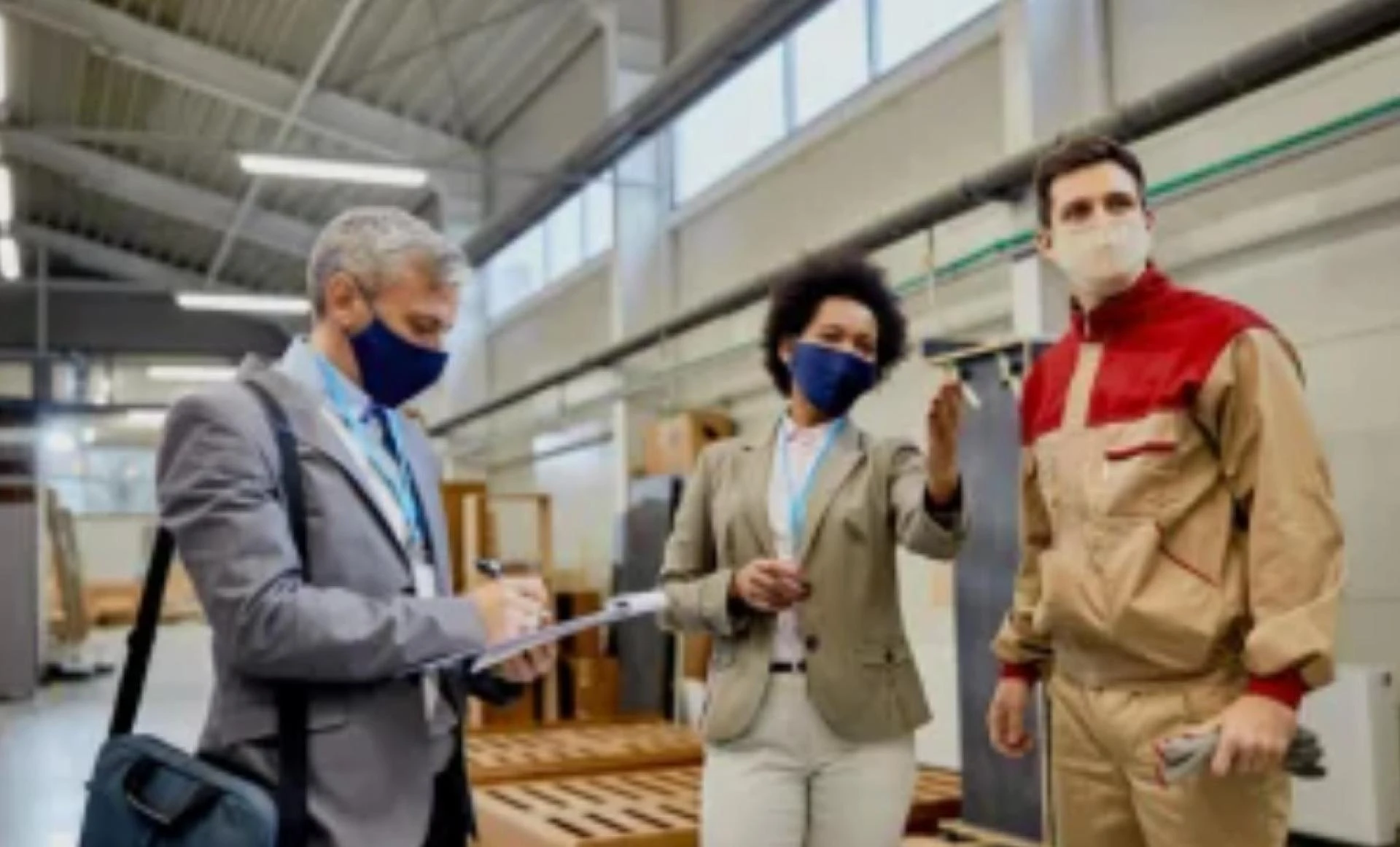

The safety inspection service plays a crucial role in upholding a secure work environment, ensuring adherence to safety regulations, and safeguarding both employees and employers. Regardless of whether you operate in an industrial setting, a commercial venue, or any other type of workplace, conducting regular safety inspections is vital for detecting potential hazards and averting accidents before they happen. HESS CONSULTANCY’s safety inspection service is designed to identify and mitigate risks, thereby maintaining a safe and compliant workplace.
In this blog, we will examine some of the prevalent safety hazards discovered during inspections and provide useful advice on how to prevent them.
Common Safety Hazards Identified During Safety Inspections
Slips, Trips, and Falls
How to Avoid:
Regularly clean floors to eliminate slip hazards.
In the event of wet or slippery surfaces, display clear warning signs to inform employees and visitors.
Ensure that all walkways, staircases, and work areas are adequately illuminated to reduce the risk of trips.
Maintain clear aisles and walkways for unobstructed navigation.
Improper Use of Equipment
How to Avoid:
Ensure that all employees receive proper training in the operation of equipment and machinery.
Conduct regular inspections and maintenance of machinery to guarantee it operates efficiently and safely.
Always protect machinery with the appropriate safety guards.
Electrical Hazards
How to Avoid:
Plan regular safety inspections and testing of electrical systems to uncover any potential hazards.
Verify that all electrical wiring complies with regulations and is properly grounded.
Utilize only electrical equipment that meets the necessary safety standards and has been certified by the relevant authorities.
Fire Hazards
Safety inspection services frequently uncover fire risks, including malfunctioning fire extinguishers, obstructed fire exits, and improperly stored flammable materials.
How to Prevent:
Make certain that smoke detectors, fire alarms, and fire extinguishers are installed and operating properly.
Escape routes and fire exits must always remain unobstructed.
Ensure that flammable materials are stored in suitable containers and away from heat sources.
Maintain a routine of fire drills so that employees are familiar with emergency procedures.
Poor Ergonomics
Employees lacking ergonomic furniture or equipment face the risk of musculoskeletal disorders, including back pain, carpal tunnel syndrome, and eye strain.
How to Prevent:
Invest in ergonomic chairs, desks, and keyboards to guarantee that employees can work comfortably.
Encourage employees to take regular breaks to stretch and move around, particularly those who sit for extended periods.
Employees should receive training on the proper use and maintenance of their PPE to ensure its effectiveness.
Chemical Exposure
How to Prevent:
Chemicals must be clearly labeled with safety information and handling instructions.
Proper personal protective equipment (PPE) should be provided to workers handling chemicals.
Ensure that Safety Data Sheets (SDS) for all chemicals are readily accessible and that employees are trained in safe handling practices.
Lack of Personal Protective Equipment (PPE)
PPE is essential for safeguarding workers from various workplace hazards, including falling debris and airborne particles.
How to Prevent:
Establish and enforce a policy mandating that employees wear the required protective gear, such as helmets, gloves, and safety goggles.
Ensure that the workplace is adequately stocked with all necessary PPE for employees based on their specific tasks.
Training on the use of PPE should be provided.
Inadequate Signage and Warning Labels
During inspections, it is frequently noted that warning signs or instructions are either insufficient or not adequately visible.

























Sign in to leave a comment.