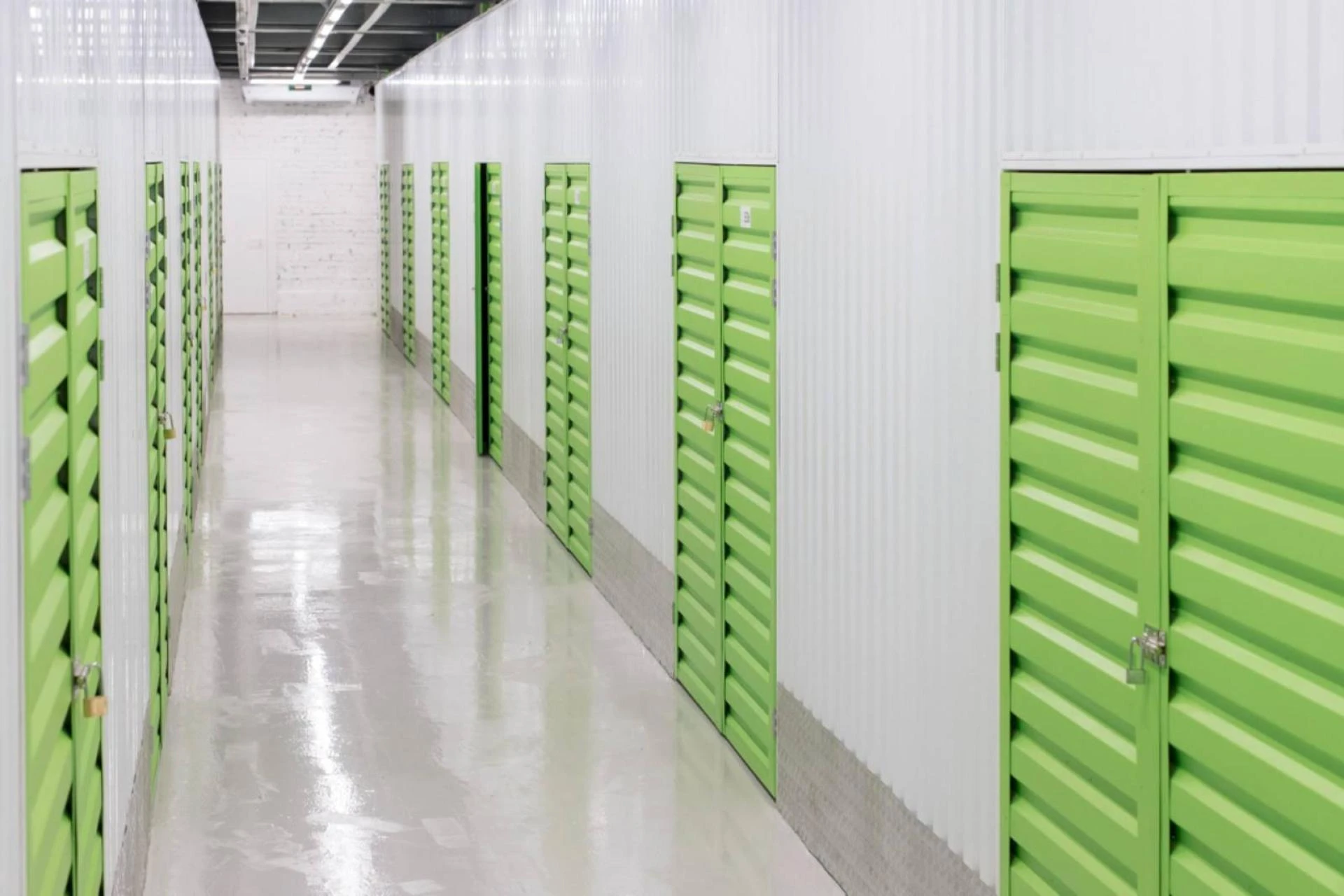

Moving day is one of the most logistically demanding days any household or business can face. When a storage unit is involved, the margin for error narrows even further. A poorly planned loading process can lead to damaged belongings, wasted space, safety hazards, and unnecessary stress. We have created this ultimate move-day checklist to ensure every item is loaded safely, efficiently, and strategically, maximising protection and accessibility while minimising risk.
This guide is designed for Australians who want a professional, methodical approach to storage loading, whether you are moving homes, renovating, downsizing, or storing business inventory. Every step below is practical, actionable, and focused on results.
Pre-Move Preparation: The Foundation of Safe Storage
A safe storage day begins well before the truck arrives. Preparation is the single most important factor in preventing damage and injury.
Start by decluttering ruthlessly. Items that are broken, obsolete, or no longer required should not take up valuable storage space. Create three categories: keep, donate, and dispose. This immediately reduces loading time and cost.
Next, measure large items such as sofas, wardrobes, fridges, and shelving units. Knowing dimensions helps us plan placement inside the unit and ensures nothing is forced into tight spaces. We also recommend creating a basic floor plan of the storage unit to visualise where heavy and bulky items will go.
Confirm access details ahead of time, gate codes, lift availability, trolley access, and loading bay rules. For those using facilities such as storage Ballarat Central., understanding on-site logistics allows for smoother, faster loading without last-minute surprises.
Essential Packing Supplies for Maximum Protection
Using the right materials is non-negotiable when safety and preservation matter.
We recommend preparing the following:
- Heavy-duty moving boxes in consistent sizes for easy stacking
- Furniture blankets and pads to prevent scratches and dents
- Bubble wrap and packing paper for fragile items
- Industrial-grade tape and dispensers
- Mattress covers and plastic wrap for moisture protection
- Permanent markers and clear labels
Avoid weak supermarket boxes for heavy items. Collapsing boxes are a leading cause of storage damage and injuries during loading.
Packing Strategy: Build for Stability, Not Speed
Rushing leads to breakage. A disciplined packing system keeps everything secure and accessible.
Pack boxes by weight and function, not by room alone. Heavy items such as books should go in small boxes, while lighter items like linen can fill larger boxes. Always reinforce the bottom of boxes with extra tape.
Label every box clearly on at least two sides, noting contents and fragility. This prevents unnecessary opening later and allows precise placement within the unit.
Disassemble furniture wherever possible. Remove table legs, bed frames, and shelving units, then wrap and bundle components together. Keep all screws and fittings in labelled zip-lock bags, taped securely to the furniture they belong to.
Loading Order: Heavy to Light, Back to Front
The order in which items are loaded directly impacts safety and space efficiency.
Begin by placing the heaviest items at the back of the unit. This includes appliances, solid timber furniture, and large cabinets. These items should sit directly on the floor, never on top of boxes.
Next, load medium-weight items such as drawers, boxed electronics, and packed shelving. Stack them tightly, ensuring weight is evenly distributed.
Finish with light and fragile items, which should always be loaded last. This includes lamps, artwork, and delicate boxes. Never place fragile items beneath heavier loads.
Create vertical columns, not random stacks. This maximises space and reduces the chance of collapse over time.
Protecting Furniture and Appliances Correctly
Furniture damage is one of the most common storage complaints, yet it is entirely preventable.
Wrap sofas, chairs, and mattresses in breathable covers. Avoid airtight plastic for long-term storage, as it can trap moisture and cause mould. Use furniture blankets secured with tape or stretch wrap, never tape directly onto finished surfaces.
Appliances must be completely dry before storage. Leave washing machines and fridges open for several hours prior to loading. Store fridges upright at all times to protect internal components.
Smart Use of Vertical Space
A storage unit is not just floor space, it is cubic space.
Stand mattresses upright along walls. Store couches vertically if structurally safe. Use shelving units as internal organisers, placing labelled boxes inside them.
Leave a central aisle whenever possible. This allows safe access to items without unloading the entire unit and reduces the risk of injury from shifting stacks.
Safety First: Preventing Injury on Move Day
Manual handling injuries are common during storage moves. We prioritise safety at every stage.
Always lift with bent knees and a straight back. Never twist while carrying heavy loads. Use trolleys and dollies wherever available.
Wear closed-toe shoes with grip soles and gloves for handling sharp or heavy objects. Keep children and pets away from loading zones at all times.
Do not overload boxes. A box that is too heavy is both a safety risk and more likely to fail structurally.
Climate Awareness and Long-Term Storage Considerations
Australian weather conditions demand extra care. Heat, humidity, and dust can all damage stored items.
Use moisture absorbers for sensitive items such as documents, electronics, and soft furnishings. Avoid placing items directly against external walls, where temperature fluctuation is greatest.
If storing for extended periods, create a maintenance map of where key items are located so they can be accessed or checked without disturbance.
Final Walk-Through Checklist Before Lock-Up
Before closing the unit door, confirm the following:
- Heavy items are stable and grounded
- Fragile items are clearly marked and protected
- An access aisle is maintained
- No items are leaning or under tension
- Inventory list is updated and saved digitally
Take photos of the final layout for future reference. This simple step saves time and prevents unnecessary unloading later.
Conclusion: Storage Done Right Is Storage Done Once
Loading a storage unit safely is not about speed; it is about precision, planning, and protection. When executed correctly, your belongings remain secure, accessible, and undamaged for as long as needed.
By following this comprehensive move-day checklist, we ensure every square metre of storage space is used efficiently while maintaining the highest safety standards. A disciplined approach today prevents costly mistakes tomorrow.




Sign in to leave a comment.